

Blog

Enhancing Bakery Shelf Life: The Science Behind Effective Packaging Solutions
Introduction to Bakery Packaging Solutions
The goal of bakery packaging isn’t just to look attractive on the shelves; it’s crucial for keeping baked goods fresh, safe, and with an extended shelf life. Let’s dive into the world of bakery packaging solutions. This packaging ranges from the simple plastic wraps that encase your morning bagel to the intricate boxes safeguarding that decadent cake for your celebration. These solutions have one main job: to protect the bakery items from external factors like air, moisture, and sometimes even light, which can speed up the spoilage process. Whether it’s bread, cookies, or cakes, the right packaging can make a world of difference. It’s not just about keeping the air out; modern packaging techniques also focus on maintaining the right humidity and temperature conditions, ensuring that your favorite treats stay as fresh as the moment they were made. Through innovative materials and designs, bakery packaging solutions strive to deliver the perfect blend of practicality and presentation.

The Importance of Shelf Life in the Bakery Industry
Shelf life is a deal maker or breaker in the bakery industry. Get it right, and your baked goods fly off the shelves, winning repeat customers. Get it wrong, and you’re faced with wasted products and lost profits. Why? Because freshness equals quality in the minds of customers. Your croissants, cookies, and cakes need to reach consumers tasting as if they’ve just come out of the oven, even if they’re days old. This isn’t just about keeping things edible. It’s about maintaining taste, texture, and appearance. Extend the shelf life effectively, and you’re not just saving money by reducing waste. You’re building a brand people trust for quality. Simple as that.
Materials Used in Effective Bakery Packaging
When it comes to bakery packaging, not all materials are created equal. The goal is simple: keep baked goods fresh and safe from the moment they are wrapped until they reach the consumer. Key players in this game include plastic, paper, and aluminum foil. Plastic is a favorite for its ability to seal in moisture, which is crucial for keeping bakery items soft and preventing staleness. It’s versatile, too, allowing for a range of designs and sizes suitable for everything from bread to cookies. Paper, on the other hand, is celebrated for its eco-friendliness. It’s best for items that don’t need to be kept moist, like crusty bread and pastries. Paper packaging lets these items breathe, avoiding the sogginess that plastic can sometimes cause. Aluminum foil stands out for its ability to block out light and air, protecting delicate flavors and ensuring products like cakes and pies stay delicious. Each material has its stronghold in the packaging world, chosen carefully to match the bakery item it’s meant to protect. The choice between them hinges on balancing freshness, sustainability, and the specific needs of each baked good.
The Role of Oxygen and Moisture Barrier Packaging
When it comes to keeping bakery goods fresh, blocking out oxygen and moisture is key. Why? Because oxygen and moisture are the main reasons bakery items go stale or moldy. Think of oxygen and moisture as the enemies of freshness. To fight these enemies, companies use special packaging called oxygen and moisture barrier packaging. This type of packaging acts like a shield, keeping the bad guys out and locking goodness in.
Here’s how it works: Oxygen barrier packaging stops oxygen from getting in, which slows down the oxidation process. Oxidation is a fancy word for when oxygen starts messing with the food’s flavor, color, and texture. On the other hand, moisture barrier packaging keeps the product dry, preventing the growth of mold and bacteria, which love damp environments.
So, when you see bakery items on the shelf that seem to last forever, it’s often because they’re packed in this superhero packaging. The result? Your favorite bread, cookies, and pastries stay fresh and tasty for longer. That means less food waste, which is good for your wallet and the planet.
Innovative Technologies in Bakery Packaging
Bakeries now have better ways to keep bread and pastries fresh longer, thanks to new tech in packaging. Active packaging and intelligent packaging are game changers. Active packaging works by taking out bad stuff like moisture or oxygen from the package. This means your favorite loaf can stay fresh and yummy for longer. On the other hand, intelligent packaging talks to you. Well, not literally, but it can tell you when your food is about to go bad or if it’s still good to eat. This is super cool because it uses things like QR codes or sensors. But remember, the goal is to keep our food fresh and reduce waste, not to make packaging complicated. So, while these techs are fancy, they’re really all about keeping things tasty and less wasty.
Packaging Design Considerations for Extended Shelf Life
In expanding the shelf life of bakery products, packaging isn’t just about looks; it’s a science. The right packaging design plays a critical role. First, it’s about the material. Materials like polyethylene and PET protect against moisture and air—two big enemies of freshness. Next up, consider the seal. Airtight packaging keeps out oxygen and prevents staleness. Also, think about the shape and size. It should fit the product snugly, reducing air exposure. Plus, packaging that reduces light exposure can prevent fats from going rancid. Lastly, some packages include special features like oxygen absorbers or moisture regulators to help products stay fresh longer. So, while the taste first attracts consumers, smart packaging ensures that bakery goods stay delicious longer.
The Benefits of Biodegradable and Sustainable Packaging Options
Switching to biodegradable and sustainable packaging is more than just following a trend; it’s about making a lasting impact. Firstly, these eco-friendly options help cut down on waste. Traditional plastic packaging can take centuries to decompose, while biodegradable materials break down much quicker, turning into compost that enriches soil rather than polluting it. This means fewer piles of garbage in our landfills and oceans. Secondly, using sustainable packaging signals to your customers that your bakery cares about the environment. Nowadays, people want to support businesses that are mindful of their ecological footprint. This could lead to increased customer loyalty and even attract new patrons who value sustainability. Lastly, sustainable packaging often comes from renewable resources, which means they are constantly replenished. This reduces the strain on our planet’s finite resources and ensures that we can keep producing packaging materials without depleting our natural assets. In short, eco-friendly packaging is good for the earth, appealing to customers, and ensures we’re not robbing future generations of vital resources.
Case Studies: Successful Shelf Life Extension Examples
Many bakeries have turned to innovative packaging solutions to extend their products’ shelf life. One notable example is the use of modified atmosphere packaging (MAP). This technique adjusts the atmosphere surrounding the product within the package, significantly slowing down the growth of bacteria and mold. A bakery in France saw their bread’s shelf life jump from 2 days to 10 days by implementing MAP, dramatically reducing waste and increasing customer satisfaction. Similarly, vacuum packaging has gained traction. A confectionery in Japan experimented with vacuum-sealed packaging for their popular cakes, extending freshness from a mere 3 days to an impressive 15 days. The seal locks out air and moisture, two main culprits of spoilage. These examples highlight not just the possibility of prolonging shelf life, but also the potential for bakeries to enhance product quality, reduce waste, and ultimately, boost sales.
Regulatory and Safety Standards in Bakery Packaging
When it comes to bakery packaging, safety and following rules are top priorities. Here’s the deal: the government has strict guidelines to ensure food is safe to eat. This means bakery packaging must not only keep your bread or cookies fresh but also be safe and not harmful to our health. For starters, packaging materials should be free from toxic substances. This is crucial because anything harmful in the packaging can move into the food. Also, the packaging design must protect food from getting dirty or spoiled. It’s not just about keeping bugs out; it’s about making sure your food doesn’t get contaminated by bacteria or other harmful agents. Plus, labels must be truthful and informative, giving you clear info about what you’re eating. So, whether it’s a loaf of bread or a pack of cookies, the packaging plays a big role in making sure you enjoy fresh, safe, and delicious bakery items.
Conclusion: The Future of Bakery Packaging for Enhanced Shelf Life
The future of bakery packaging is bright and all about merging innovation with sustainability. As we’ve explored, the right packaging can significantly extend the shelf life of bakery goods, keeping them fresh and delicious for longer. It’s not just about creating a barrier against moisture and oxygen anymore. The focus is now on using materials that are eco-friendly and still provide the needed protection. Expect to see more biodegradable and compostable packaging options that do not compromise on quality. Advanced technology, like smart packaging that can interact with consumers and provide information on freshness, is also on the rise. This is where we’re headed – packaging that’s good for both the products and the planet. Remember, the key is to balance the shelf life extension with environmental impact. As technology advances, so too will our ability to maintain freshness and minimize waste, ensuring that the future of bakery packaging is as promising as it is sustainable.

A Buyer’s Guide to Choosing the Right Label Applicators for Your Product Line
Introduction to Label Applicators: What Are They?
Label applicators are machines designed to automatically apply labels to your products. Think of them as skilled helpers in your production line, ensuring every item gets its tag accurately and swiftly. Whether you run a small craft business or oversee a large manufacturing operation, label applicators can significantly boost efficiency. They come in various types to suit different packaging shapes, sizes, and production volumes. Some are built to handle bottles, others for boxes, and there are even models designed for irregularly shaped objects. The beauty of label applicators lies in their versatility and ability to adapt to your specific needs, making your labeling process faster and reducing the chance of human error.

Different Types of Label Applicators Available
When picking out label applicators for your product line, knowing the different types available can make or break your decision. In simple terms, label applicators come in mainly two styles: automatic and manual.
Automatic label applicators are the go-to for large scale operations. They’re fast, efficient, and can handle a high volume of products with little to no manual effort. Think of them as your high-speed assembly line workers, slapping on labels without breaking a sweat. These machines vary from simple models that stick labels onto products as they pass by, to sophisticated systems that can print and apply labels on the fly.
On the flip side, manual label applicators are all about hands-on control. Perfect for smaller batches or when precision is key, these tools require a human touch. They’re simpler, significantly cheaper than their automatic counterparts, and ideal for startups or small-scale operations. Manual applicators might be basic, but they get the job done, especially when you’re watching your budget or dealing with a variety of products needing different labeling approaches.
Each type has its place. Your choice will hinge on factors like your production volume, the variety of products you have, and, of course, your budget. Keep these points in mind, and you’ll find the label applicator that fits your operation like a glove.
Key Factors to Consider When Choosing Label Applicators
When you’re in the market for label applicators, it boils down to a few critical factors you can’t ignore. Speed matters; think about how many products you need to label in a day. You don’t want a machine that’s going to drag its feet. Then there’s accuracy. A label placed wrong can spell trouble or even make your product look bad. It’s not just about slapping on a label; it’s where it lands that counts.
Your product type is another biggie. A label applicator that’s perfect for flat-surfaced bottles might not be the best fit for uneven surfaces or odd-shaped containers. Make sure the machine you pick can handle what you throw at it.
Versatility is key too. Can the machine adapt to different label sizes or container types? If your product line expands or changes, you don’t want to be stuck with a one-trick pony.
Lastly, think about cost. It’s not just the price tag of the machine. Consider maintenance, supplies, and potential downtime. A cheap machine that’s always broken is no bargain.
In a nutshell, match the machine to your needs, not the other way around. Speed, accuracy, product type, versatility, and cost are your north stars. Keep them in sight, and you’ll find the right label applicator for your product line.
The Importance of Compatibility with Your Product Line
Choosing the right label applicators isn’t just about picking a machine; it’s about ensuring it matches your product line perfectly. You need to find a model that can handle your product’s shape, size, and type. Whether you’re labeling bottles, boxes, cans, or jars, the applicator must adapt to your items without issues. Compatibility is key because it impacts your production speed, efficiency, and ultimately, your bottom line. If the applicator can’t properly handle your products, you’ll face delays, increased waste due to misapplied labels, and potentially, a dip in product quality. So, always consider the specifics of your products—be it their material, texture, or contour—before making a decision. It’s not just about the machine; it’s about what works best for what you’re producing. Choose wisely to keep your production line moving smoothly.
Speed and Efficiency: Evaluating the Performance of Label Applicators
When picking label applicators, speed and efficiency are non-negotiable. You want a machine that sticks labels fast without messing up. Faster machines mean you can label more products in less time, which is good for business. But speed isn’t everything. The best label applicators do the job quickly and without wasting labels or ruining products. Some machines can slap on hundreds of labels per minute, but if they’re messing up every tenth label, you’re not winning. Look for applicators that balance speed with accuracy. This will save you time and money in the long run. Efficiency also means the machine should handle different label sizes or types without a big fuss. A versatile label applicator keeps things moving smoothly, especially if you’re changing products or labels often. Simply, a fast, accurate, and flexible label applicator is what you need to keep your product line running like a well-oiled machine.
Ease of Use and Maintenance: Simplifying Operations
When picking label applicators for your product line, ease of use and maintenance are crucial to keep operations smooth. Look for machines that are user-friendly. This means they should have clear instructions and a simple setup process. You want your team to spend less time figuring out how to use the machine and more time labeling products. User-friendly applicators often come with intuitive controls and touch-screen interfaces, making it easier for anyone on your team to operate them with minimal training. Maintenance is just as important. Go for applicators that require less frequent servicing and are easy to clean and repair. Machines with readily available spare parts and good customer support from the manufacturer can save you from headaches down the road. Remember, the simpler it is to use and maintain, the less likely it is to disrupt your production line. Consider these factors to ensure you get label applicators that not only boost your efficiency but also stand the test of time with minimal fuss.
Durability and Reliability: Investing in Long-Term Solutions
When picking out label applicators for your product line, think long-term. It’s tempting to go for the cheapest option, but durability and reliability pay off. A sturdy machine cuts down on repair costs and downtime. Here’s the deal: Opt for applicators built to last. They might cost more upfront, but they’re more reliable, meaning fewer headaches down the line. Check the machine’s materials and design. Stainless steel? Good choice. Plastic parts? Maybe think twice. Look for brands with a solid reputation and read reviews from other users. This insight gives you a better idea of how the applicator holds up in real-world conditions. Remember, investing more now in a durable and reliable label applicator saves money and stress later. It’s about making smart choices that benefit your business in the long run.
Cost Considerations: Finding the Balance Between Quality and Budget
When it comes to selecting the right label applicators for your product line, one of the critical aspects to mull over is the cost. But it’s not just about finding the cheapest option out there. It’s about striking the perfect balance between quality and your budget. First off, know that label applicators come in a range of prices, influenced by their features, durability, and the technology they employ. Manual label applicators are generally the most affordable, starting from a few hundred dollars. They’re straightforward and great for small-scale operations. On the other end, automatic label applicators, designed for high-volume labeling, can set you back a few thousand dollars. These machines offer speed, consistency, and efficiency but at a higher initial cost.
Here’s the deal – investing in a slightly pricier label applicator might seem hard on the wallet now, but it could save you money in the long run. Higher-quality machines tend to be more durable and require less maintenance. They can also adapt as your product line grows, making them a wise choice for long-term use.
Yet, sticking strictly to your budget is crucial too. It’s about finding that sweet spot where the cost aligns with your needs without compromising on quality. Sometimes, this might mean making trade-offs, like opting for a semi-automatic model instead of a fully automatic one to stay within budget while still boosting efficiency.
In summary, when weighing the cost of label applicators, consider not just the purchase price but the value it brings over its lifespan. Look for durability, adaptability to your needs, and the potential for upkeep costs. Balancing quality with your budget will lead you to the best choice for your product line. Remember, a wise investment now can lead to greater savings and efficiency down the line.
Reading Reviews and Getting Recommendations on Label Applicators
Before you drop a dime, listen up. Reading reviews and snagging recommendations is key to picking the right label applicator. It’s like having a sneak peek before making a move. Here’s the deal: customers and businesses don’t hold back online. They’ll tell you straight – what’s hot and what’s not. Looking through reviews on websites and forums can give you the real scoop. What jams, what’s smooth sailing, and whether it’s worth your cash. Now, about recommendations – chat up folks in the same business. Networking isn’t just for gigs; it’s gold for gear advice too. Someone’s been where you are, hit the same bumps, and found a way. They can tell you which applicator rocked their world or saved them big time. Bottom line, don’t go in blind. Use the wisdom of the crowd, and let experience light your way. It’s smart, it’s simple, and it’ll save you a headache or two.
Conclusion: Making an Informed Decision on Label Applicators
Choosing the right label applicator is more than just picking a machine; it’s about understanding what your product line needs now and might need in the future. Cost matters, but don’t let it be the only thing that guides you. Think about the types of labels you’ll be using, the speed at which you need to apply them, and how flexible the machine is to changes. High-quality applicators save you time and money in the long run by reducing waste and increasing efficiency. Before you buy, talk to other users, read reviews, and maybe even see the machine in action. Remember, it’s not just a purchase; it’s an investment in your product’s presentation and success. Make a choice that grows with your business, keeps up with technology, and fits the practicalities of your operation.

The Evolution of Condiment Labels in the Marketplace: Trends and Innovations
Introduction to Condiment Labels: Their Importance in the Marketplace
Condiment labels are more than just stickers on bottles. They’re key players in the fierce competition on grocery shelves. Think about it. When you reach for ketchup, mustard, or any sauce, what grabs your attention first? That’s right, the label. These labels tell a story, showcasing the brand, ingredients, and even the personality of the condiment inside. In the bustling market, a label can make or break a consumer’s decision. It’s not just about listing ingredients or nutritional information; it’s about connecting with you, the buyer, making you choose one brand over another. Labels have evolved from mere identifiers to crucial marketing tools, leveraging colors, fonts, and designs to stand out. They adhere to strict regulations, yet creatively push boundaries to captivate shoppers. Without them, the condiment aisle would be a sea of indistinguishable bottles. So next time you grab your favorite sauce, take a moment to appreciate the label. It’s the unsung hero of the condiment world, working hard to catch your eye and earn its spot on your table.
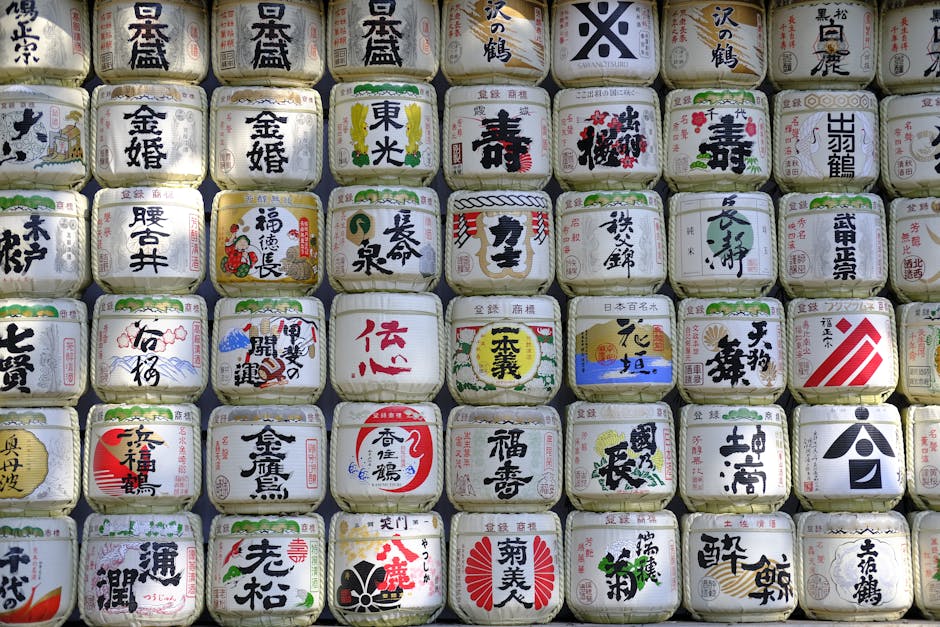
Historical Overview: The Evolution of Condiment Labels
Condiment labels have come a long way from their humble beginnings. Originally, they were simple, straightforward stickers that told you what was inside the bottle or jar. These labels were more about function than form, focusing solely on the essentials like the product name and its ingredients. Fast forward to today, and it’s a whole new ball game. The evolution of condiment labels is not just about the practical side of naming and describing anymore. Now, it’s an art, a science, and a key marketing tool. Manufacturers use colors, fonts, and images that grab your attention and speak to the personality of the brand. They also include nutritional information and even QR codes, taking you to websites for more details or recipes. This shift reflects our change in consumer habits. We’re not just looking for ketchup or mustard; we’re looking for an experience, something that stands out on a crowded shelf and connects with us on a personal level. The evolution of condiment labels is a testament to the creativity and innovation in the marketplace, turning a simple bottle of sauce into a canvas for expression.
Current Trends in Condiment Label Design
Right now, in the world of condiment labels, things are getting pretty exciting. First off, simplicity is the new black. Brands are ditching clutter for clean, minimal designs that make it easy for you to spot what you’re looking for. This means big, bold letters and not much else. It’s all about getting the point across without the fluff. Then there’s the storytelling angle. Companies aren’t just selling a sauce or a spread anymore; they’re selling a story. Labels now often include a bit of history about the brand or the origins of the recipe, making you feel a part of something bigger when you choose their product. Sustainability is also huge. With more people caring about the planet, condiment makers are showing off their eco-friendly side right on the label. They’re using recycled materials for their packaging and printing with soy-based inks. And let’s not forget, visuals are key. Gone are the days of generic bottle designs. Now, illustrations and unique fonts are taking center stage, turning condiment bottles into pieces of art on your kitchen table. In short, the current trend in condiment label design is all about being simple, engaging, eco-conscious, and visually appealing. It’s a whole new way to catch your eye and make you think, “Yeah, I need that in my life.”
Innovations in Material and Sustainability of Condiment Labels
Condiment labels have come a long way, moving towards more sustainable and innovative materials. Companies nowadays are ditching traditional plastic labels for eco-friendly options like biodegradable paper, plant-based plastics, and even seaweed. This shift isn’t just good for the planet; it also appeals to eco-conscious consumers. Plus, these materials can handle the fridge or the pantry, proving that going green doesn’t sacrifice quality. Another cool innovation is the use of smart labels that change color to show freshness or QR codes to give you recipes and the condiment’s origin story right on your phone. This blend of sustainability and tech not only reduces waste but makes your kitchen experience smarter.
The Impact of Technology on Condiment Label Production
Technology has revolutionized how condiment labels are made, turning the once slow and rigid process into a dynamic and flexible operation. Thanks to advancements in digital printing, makers can now produce small batches of labels without breaking the bank. This means they can experiment with designs more freely, respond to market trends quicker, and even personalize labels for specific events or customers. Plus, the quality of these digital prints is top-notch, with colors that pop and details that are sharp, making the product stand out on crowded shelves. Another game-changer has been the use of QR codes and smart labels. These aren’t just for show; they carry heaps of info that couldn’t possibly fit on a tiny sticker. By scanning a code, customers can discover recipes, the history of the product, nutritional info, and even interactive content like games or contests. This tech isn’t just flashy; it’s a way for brands to connect with their audience, build loyalty, and offer a richer experience. So, while the essence of condiments remains the same, the way they introduce themselves to the world is evolving fast, thanks to technology.
How Consumer Preferences Shape Condiment Label Trends
Consumer preferences are the steering wheel driving changes in condiment label designs today. As shoppers become more selective, labels have evolved beyond mere branding into information hubs and storytelling mediums. Here’s the scoop: people now prefer natural, organic ingredients, and they want this clearly displayed on their labels. This shift has nudged manufacturers to highlight “free-from” credentials—such as gluten-free or no added sugar—prominently.
Moreover, the rise of social media has made eye-catching and aesthetically pleasing labels more important than ever. Brands know a visually appealing label can turn a casual browser into a buyer, and maybe even a sharer, boosting the product’s visibility online. Sustainability is another big player. Eco-conscious consumers demand labels that signal a product’s commitment to environmental responsibility, whether through the use of recycled materials, minimal packaging, or clear recycling instructions.
Lastly, transparency is key. The modern consumer wants to know where their food comes from and the story behind it. As a result, condiment labels now often include QR codes or links that direct to detailed product backstories, sourcing information, and the brand’s ethical practices. In essence, labels are no longer just labels—they’re conversation starters, belief statements, and, importantly, reflections of consumer desires and societal shifts.
The Role of Regulatory Changes in Condiment Labeling
Regulations drive the changes in condiment labels. Governments update food labeling rules to protect consumers and ensure they know exactly what they’re eating. This push for transparency makes companies revamp their labels to comply with new laws. These updates often include listing allergens, nutritional information, and sourcing details. As a result, labels are not just for marketing; they’re a crucial tool for consumer safety and informed choices. The changes aim to cut down on misleading claims and provide a clearer picture of what’s inside the bottle or jar. So, when you see a condiment label now, it’s shaped by laws designed to keep you informed and safe.
Case Studies: Successful Condiment Label Redesigns
Two standout examples of successful condiment label redesigns come from Heinz and French’s. Heinz, known for its ketchup, took a bold step by making its label more user-friendly and emphasizing the product’s natural ingredients. The redesign led to a noticeable increase in sales, showing that customers appreciated the brand’s transparency and modern look. Similarly, French’s mustard reimagined its label with brighter colors and a more straightforward design, making it stand out on crowded shelves. This change not only boosted its shelf appeal but also reinforced the brand’s image as a provider of high-quality, natural condiments. These case studies prove that thoughtful redesigns can breathe new life into classic brands, making them more competitive and relevant in today’s market.
Future Predictions: Where Condiment Labels are Headed
The future of condiment labels is cruising down a high-tech avenue. With sustainability and technology powering change, expect to see big shifts. Firstly, smart labels are on the rise. These aren’t just labels; they’re mini-hubs of information. Scan them with your smartphone, and you’ll get recipes, the brand story, even a product’s carbon footprint. It’s not just about what’s in your sauce; it’s about connecting with it.
Eco-friendly materials are also taking the stage. The push for sustainable packaging means tomorrow’s condiment bottles might sport labels made from compostable and biodegradable materials. Picture grabbing ketchup where the label, just like the bottle, can return to the earth without harm.
And, the design? Minimalism is the word. Goodbye, cluttered labels that shout for attention. Hello, clean, simple designs that tell you what you need to know, making choices easier and shelves sleeker.
This is more than speculation. It’s where the world’s heading—smarter, greener, cleaner. Condiment labels are just joining the ride. So, next time you’re dressing your burger, think about this. The label you’re not giving much thought to now might soon give you a heap to think about.
Conclusion: The Continual Evolution of Condiment Labels in the Marketplace
So, we’ve seen how condiment labels have transformed, right? They’re not just stickers on a bottle anymore; they’re part of a bigger story. This evolution isn’t stopping anytime soon. With technology advancing, we can expect even cooler changes on the horizon. Interactive labels with QR codes? They’re already happening. What about labels that change color to show freshness? That’s on the table, too. Sustainability is king, so more eco-friendly materials will dominate. And, let’s not forget the power of personalization. Imagine a label designed just for you. The future of condiment labels is bright, folks. As our tastes and technology progress, so will the creativity of labels. Keep an eye out the next time you’re at the store. You might just find something new and exciting.

The Art and Science Behind Crafting the Perfect Beer Labels
Introduction to the importance of beer labels
The label on a beer bottle is more than just a sticker; it’s the heart and soul of the beer inside. Think of it as the beer’s first impression, the thing that catches your eye and makes you want to pick it up off the shelf. It’s not just about looking good though. A beer label tells a story. It speaks of the brewer’s dedication, the ingredients, the flavor, and even the history behind the brew. It’s a blend of art and science, where creativity meets legal requirements. Yes, those labels also carry important details like the alcohol content, ingredients, and the brewer’s information, all of which are required by law. But beyond that, the label bridges the gap between the brewer and the drinker, creating a connection even before the first sip is taken. In a world filled with countless beer options, a standout label can be the difference between getting noticed or getting overlooked. So, you see, beer labels do a lot heavy lifting, making them a critical piece of the brewing puzzle.

The history and evolution of beer labels
Beer labels weren’t just born fancy. They’ve traveled a long journey from simple tags to the artful canvases we see today. Back in the 18th century, beer was often stored in unmarked bottles. But as competition grew, breweries recognized the need to stand out. This led to the creation of beer labels. At first, these were basic, displaying only essential information like the brewer’s name and the beer type. Fast forward to the 19th century, technological advancements in printing kickstarted the evolution. Colors got brighter, designs more complex, and the beer label became a brand’s badge of pride. This era witnessed the birth of iconic labels that we still recognize today. The 20th century brought even more innovation. With the rise of craft beer in recent decades, labels transformed into art pieces, telling stories and conveying the personality of the beer inside. From simple identification to intricate designs that capture the essence of the brew, beer labels have become a critical part of the beer experience, merging the worlds of art and science.
Understanding the psychology behind label design
When you pick up a bottle of beer, the label does more than tell you the brand. It’s a carefully crafted message designed to catch your eye and convince you to take it home. The psychology behind label design uses colors, fonts, and imagery to connect with you on a subconscious level. Bright colors may grab your attention, but it’s the specific shades that influence how you feel about the beer. Dark, rich colors often suggest a robust, hearty brew, while light, breezy tones hint at a refreshing, easy-drinking option. Fonts also play a big role. A sleek, modern font might indicate a new, innovative beer, whereas a traditional, handwritten style could suggest a brew with heritage and craftsmanship. Imagery, whether it’s a picture of hops, a brewery, or something more abstract, tells a story about what you’re about to drink. This mix of elements isn’t random. It’s a deliberate strategy to make you feel a certain way about the beer even before you taste it. So, next time you’re browsing the beer aisle, take a moment to see how the labels are speaking to you.
Essential elements of an attractive beer label
Creating an eye-catching beer label involves a blend of art and science, focusing on grabbing attention while telling a story. Here are key elements for a label that stands out. First, color plays a huge role. Bright and bold colors can catch the eye, but subtler hues might better fit a brand’s vibe. Next, fonts matter. Your choice of typography says a lot about your beer. Is it playful or serious? Traditional or modern? The font sets the mood. Imagery is also critical. Whether it’s a classic hop vine or something more abstract, the image should resonate with the drinker, making them feel something. Don’t forget the brand logo. It should be clear and memorable, ensuring drinkers remember who made this brew. Lastly, information. Regulations demand certain details like ABV (alcohol by volume) and the brewer’s address, but how you present this info is part of the craft. Balancing these elements with a keen eye can turn a simple label into a compelling story that drinkers can’t wait to dive into.
The role of color schemes in beer labels
Color schemes on beer labels aren’t just for show; they play a vital role in catching your eye and telling the beer’s story before you even take a sip. Think about it. When you’re scanning a crowded shelf, bright and bold colors might pull you towards a fun, adventurous brand, while deeper, subdued hues suggest a rich, crafted experience. Colors speak a language without words, setting the mood and expectations. Brewers and designers work together, picking colors that reflect the beer’s personality—light and airy for a summer ale, dark and warm for a stout. This careful choice helps ensure that the label matches the experience in the bottle, making the color scheme a silent ambassador for the beer inside.
Typography and text placement in beer label design
Typography and text placement play a crucial role in beer label design. Fonts and how words are positioned can tell you a lot about the beer inside the bottle. For a label, you want text that’s easy to read but also reflects the beer’s personality. If it’s a traditional brew, you might see classic fonts that give off an old-world vibe. For more modern or experimental beers, designers might lean towards bold, innovative fonts. Placement is just as important. Key information like the beer name, brew type, and alcohol content needs to stand out. But there’s a fine line between informative and cluttered. The best labels strike that balance, guiding your eye naturally from one piece of information to another without overwhelming you. Remember, the goal is to make you pick up the bottle and give it a try.
Choosing the right material for your beer labels
Choosing the right material for your beer labels is crucial. It’s not just about looks; it’s about survival. Think about it. Your beer will go places. It will chill in fridges, get wet in coolers, and perhaps even bask in the sun at a beach party. You need a material that can handle this adventure. Paper labels may offer a classic vibe, but they fear water like cats do. Once wet, they’re done for, losing both their charm and legibility. That’s not what you want. Enter plastic labels. They’re like the superheroes of label materials. Plastic labels laugh in the face of moisture and temperature changes. They keep your branding looking sharp and your beer recognizable, no matter where it ends up. But if you’re aiming for an eco-friendly vibe, biodegradable options are out there. They’re tougher than paper and kinder to the planet. Remember, the right material isn’t just about durability; it’s about conveying your brand’s message. So, choose wisely. Your beer’s journey depends on it.
Legal requirements and information to include on beer labels
When it comes to beer labels, there’s legal stuff you simply cannot skip. Every country has its own rules, but there are common pieces of information that almost every place demands you slap on that label. First, you absolutely need the brand name of the beer. This tells drinkers who made their beer. Next up, the type of beer. Is it an IPA? A stout? People wanna know. The alcohol content by volume, or ABV, is another must. It lets folks gauge how strong the beer is. Don’t forget the net contents; tell them how much beer they’re getting. The government warning about alcohol consumption is also non-negotiable in many places. It’s there for safety. Lastly, the name and address of the manufacturer, bottler, or importer. It’s about accountability. Make sure your label ticks all these boxes. Keeping it legal keeps it fun for everyone.
Innovations and trends in beer label design
In the world of beer, the battle for attention doesn’t just play out in taste and aroma, but also on the bottle itself. Beer labels have evolved from mere branding tools to canvases showcasing creativity and innovation. Here’s what’s trending: Minimalism is big. Brands are stripping down to basics, using fewer colors and simpler designs for a clean, uncluttered look. This not only catches the eye but also helps consumers easily identify the beer. Then, there’s the use of bold typography. Words aren’t just words anymore; they’re part of the design. Fonts with personality can convey the beer’s character before the bottle is even opened. Sustainability is also a major trend. More breweries are opting for eco-friendly labels made from recycled materials or using organic inks to appeal to environmentally conscious drinkers. Lastly, technology has taken beer labels to a new level. Some brands incorporate augmented reality, where a scan of the label with a smartphone pulls up interactive content, perhaps telling the story behind the brew or offering a virtual brewery tour. These innovations not only make the beer stand out on the shelf but also create a richer experience for the consumer.
Conclusion: Merging art and science for the perfect beer label
Crafting the perfect beer label is a dance between art and science. A great label needs creative artwork that catches the eye, tells a story, and connects emotionally with customers. But it’s not all about pretty pictures. The science part involves understanding market trends, the psychology of color, and how design elements can influence buying decisions. A label must also meet legal requirements, clearly displaying information like alcohol content and ingredients. By merging artistic vision with scientific analysis, breweries create labels that are not just labels but pieces of art that invite you into the world of the beer they represent. It’s this blend that makes you pick up a bottle, intrigued, ready to taste the story inside.

The Evolution of Adhesive Labels in Packaging: A Brief History
Introduction to adhesive labels in packaging
Adhesive labels have been a game-changer in packaging. They stick to products like a dream and offer all the details you need without a fuss. Imagine picking up a bottle, and there it is, everything from the ingredients to the brand story, neatly packed on a sticker. These labels didn’t just appear out of thin air. Their journey began in the early 1930s, thanks to R. Stanton Avery, who invented the first self-adhesive label. Now, they’re everywhere, making products look good and providing essential info clearly and quickly. Whether it’s a simple price tag or a vibrant product label, adhesive labels have made packaging simple, effective, and informative. With advancements in materials and printing technologies, these labels have only gotten better, offering durability and eye-catching designs. Next time you pick up a product, give a little nod to the adhesive label. It’s small but mighty, making our shopping experience smoother and the aisles a whole lot brighter.

The ancient origins of adhesive labels
Long before the glossy, self-sticking labels we know today, ancient Egyptians were the pioneers of label technology. Around 3,000 BC, they used papyrus to create labels for their medicinal and food containers. This wasn’t just for show. These labels had practical purposes, indicating what was inside the container, possible medicinal uses, and even the manufacturer’s details. Fast forward to the first century BC, and the practice had evolved. The Romans took it a step further by attaching labels to the outside of containers, giving details about the product and its maker. Such labels were primarily made from cloth, leather, or parchment. These ancient methods laid the foundation for the adhesive labels we use today, showing that the need to identify, brand, and provide information about products is as old as trade itself.
Technological advancements in the 19th century
The 19th century was a game-changer for adhesive labels. Before this time, labeling was more or less a manual affair. But then, two big things happened. First, in 1839, Charles Goodyear discovered vulcanization. This process made rubber more durable and flexible. It was a big deal because it meant labels could stick better. Then, in the 1860s, came the perfection of the lithographic process by Alois Senefelder. This was a method of printing that allowed for colorful and detailed designs on labels. Imagine, before this, labels were quite plain and boring. Suddenly, products could shout from the shelves with vivid colors and intricate designs. This era set the stage for the adhesive labels we know today. It wasn’t just about making things stick. It was about catching the eye and standing out. That’s the power of technology for you.
The rise of branding and adhesive labels
The journey of adhesive labels intertwined with branding began in the late 19th century. Before that, there wasn’t much thought given to packaging aesthetics. Think about it, products were mostly sold in bulk, with little to no branding. But as competition in the marketplace started heating up, companies realized they needed a way to stand out. Enter the solution: adhesive labels. This was a game-changer. Suddenly, brands could splash their logos, vibrant colors, and catchy slogans right on their products. It wasn’t just about identity; it was about shouting from the shelves, “Pick me!” And so, the adhesive label became a critical tool in the branding arsenal. By the early 20th century, thanks to advancements in printing technology, labels weren’t just functional. They were a canvas for creativity, an opportunity to tell a brand’s story visually. Whether a jar of jam or a box of nails, every product got its unique fingerprint. In this era, the label started doing more than just branding; it conveyed quality, trust, and appeal.
World War II and the evolution of adhesives
World War II was a turning point for many technologies, and adhesive labels were no exception. Before the war, labels were mostly simple and used gummed adhesives that needed to be moistened to stick. However, the demands of war pushed for rapid advancements. Supplies needed to be labeled and shipped efficiently. That’s when stronger, more durable adhesives came into play. These adhesives didn’t need to be wet to stick and could withstand harsher conditions, perfect for military supplies moving across different climates. This period saw the birth of pressure-sensitive adhesives, which are the cornerstone of today’s adhesive labels. They stick to surfaces when pressure is applied, making them incredibly versatile for all sorts of products, not just in the military. This innovation not only marked a significant evolution in the packaging industry but also set the stage for the modern adhesive labels we see on almost every product today.
The golden age of packaging and label design
The golden age of packaging and label design kicked off in the early 20th century, transforming how products were presented and sold. This era was marked by bold experiments in graphics and colors, grabbing customer attention and making products stand out on the shelves. Innovations in printing technology, such as lithography and later, flexography, allowed for more vibrant and detailed designs than ever before. Brands began to understand the power of a well-designed label, not just for information, but as a crucial part of the product’s appeal. During this period, iconic packaging, that we still recognize and love today, was born. Typography took center stage, with designers playing with fonts in ways that emphasized the product’s message and values. Simplicity was key; a shift from earlier designs crammed with information to cleaner, more impactful messaging. This golden age set the standards for aesthetic and functional design in packaging, leaving a lasting legacy that continues to influence how products are marketed.
The digital revolution and its impact on label production
The digital revolution changed the game for how we print labels. Before, making labels was a slow, costly process tied to printing presses and long setup times. Now, digital printing has made it easier, faster, and cheaper. This shift allows for small-scale runs and personalization that were tough to pull off before. Imagine printing labels straight from a digital file – no need for plates or physical setup. This means short runs for niche products are no fuss now. Plus, we can tweak designs on the fly, perfect for small businesses wanting to stand out or test the waters without sinking too much money. In a nutshell, the digital revolution has made label production more accessible, flexible, and efficient.
Sustainability and environmental considerations
Sustainability doesn’t just sound good; it’s essential, especially when we talk about adhesive labels in packaging. Nowadays, everyone’s looking to reduce their carbon footprint, and the packaging industry is under the spotlight. We’re seeing a big shift towards greener alternatives. Traditional labels, while practical, haven’t been the best pals of Mother Earth. They often end up in landfills, refusing to decompose nicely. That’s changing, though. Companies are now leaning towards materials that are kinder to our planet. We’re talking about labels made from recycled materials, biodegradable options, and even plant-based inks. This isn’t just a passing trend. It’s a commitment to making sure that the packaging that enhances our products today doesn’t end up harming future generations. The goal here is clear: less waste, less harm, and a happier planet. So, next time you see a label claiming to be eco-friendly, know that it represents a step towards a more sustainable future in packaging.
Current trends and future predictions for adhesive labels
The world of adhesive labels is always on the move, with trends shaping up that impact how products catch our eye in stores or online. Right now, sustainability is a big deal. People want labels that don’t harm the planet, so we’re seeing more made from recycled materials or designed to be easily recyclable. Eco-friendly inks and adhesives are also on the rise, making labels kinder to the earth. Then there’s the tech side of things. Smart labels with QR codes or NFC (Near Field Communication) technology are everywhere. These aren’t just for show; they let customers interact with products in a whole new way, like tracing the product’s journey from production to shelf or accessing special offers. For businesses, it’s a smart move to engage customers and build loyalty. Looking ahead, digital printing technology is something to watch. It’s getting better and cheaper, which means even small brands can jump on trends like personalization. Imagine a world where every label can be unique, speaking directly to the buyer. Also, augmented reality (AR) labels might take off, turning a simple label into an interactive experience. Think of pointing your phone at a label and seeing the story of the product or how to use it come alive on your screen. It’s a blend of information and entertainment that could change how we see labels. In brief, labels are becoming more than just stickers on a product. They’re turning into key players in sustainability, customer interaction, and digital innovation. The future looks sticky, in the best way possible.
Conclusion: The lasting importance of adhesive labels in packaging
Adhesive labels have journeyed far from their beginnings, transforming packaging at every step. Today, they are not just a method to provide information but a critical tool for branding, safety, and regulatory compliance. The evolution emphasizes their lasting importance in the packaging world. They make products stand out on shelves, offer vital consumer info, and ensure products meet legal standards. Their flexibility and cost-effectiveness mean they’re here to stay, playing a pivotal role in packaging across industries. In essence, adhesive labels have become indispensable, proving their value time and again.

Why Blister Packaging Is a Game-Changer for Consumer Safety
Imagine picking up your medication or a new electronic device and feeling confident that it’s safe, secure, and hasn’t been tampered with. This peace of mind comes from a packaging innovation that’s becoming more and more commonplace in our daily lives: blister packaging. In this blog, we’ll dive into how blister packaging is revolutionizing consumer safety, making products safer and more secure than ever before.
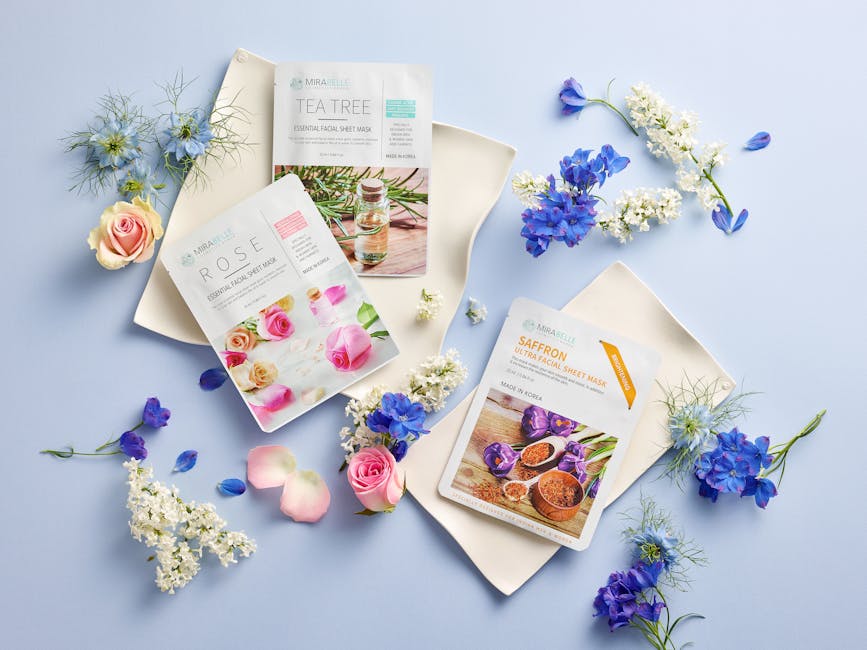
The Basics of Blister Packaging
Blister packaging, at its core, is a pre-formed plastic packaging used for small, individual items such as pharmaceuticals and electronics. What sets it apart is its cavity or pocket made from a formable web, usually a type of plastic or aluminum, designed to protect the enclosed product against external factors like humidity, contamination, and tampering. A distinguishing feature of blister packaging is the ease with which consumers can verify the integrity of the product, providing an immediate assurance of its safety and quality.
Understanding how blister packaging is made is crucial to appreciating its role in consumer safety. The process involves heating a sheet of plastic to make it pliable, then forming it into a mold to create pockets. Once the product is placed into these pockets, a backing material, often made of foil or paper, is sealed onto the package. This combination of materials ensures that the package is both secure and tamper-evident. If the packaging has been punctured or opened, it’s immediately obvious, giving consumers trust in their purchase decisions.
Enhancing Product Safety with Tamper Evidence
Tamper evidence is a cornerstone of blister packaging, offering an unmistakable indication if the underlying product has been interfered with. This feature is incredibly important for medications, where the cost of tampering can extend far beyond financial to potentially life-threatening. By having a physical barrier that must be broken to access the product, consumers can immediately identify if a product is safe to use.
As consumer demand for safety and integrity in products has grown, so too has the importance of solutions like blister packaging. Incorporating elements that allow a consumer to easily confirm product safety is not just a trend, it’s becoming a standard across industries. This shift towards tamper-evident packaging is a response to the call for transparency and trust between consumers and manufacturers.
How Blister Packs Protect Medications and Consumers
Blister packaging plays a pivotal role in the pharmaceutical industry, not only in keeping medications safe from external contaminants but also in promoting patient compliance. The individual compartments of a blister pack make it easy for patients to track their dosage and adhere to their medication schedules. This methodical organization goes beyond mere convenience; it’s a crucial step in ensuring the efficacy of treatment plans and in safeguarding against misuse or accidental overdose.
The durability and integrity of blister packs also mean that medications are protected during transport, decreasing the risk of damage and contamination before the product reaches the consumer. This layer of protection is essential for maintaining the medication’s potency and effectiveness, ultimately contributing to patient safety and well-being.
Blister Packaging and Consumer Convenience: A Perfect Match
One of the less discussed, yet equally important, advantages of blister packaging is its convenience for the consumer. The easy-to-use nature of blister packs, requiring no additional tools or force to access, means that people of all ages and abilities can manage their medications independently. This autonomy is a significant factor in the overall effectiveness of treatment plans, as it helps ensure that medications are taken regularly and correctly.
Furthermore, the compact and lightweight design of blister packs makes them ideal for consumers on the go. Whether it’s for daily medicines or vitamins, blister packaging fits easily into any lifestyle, ensuring that individuals can maintain their health regimens without inconvenience.
The Environmental Impact of Blister Packaging
Although blister packaging is a boon for consumer safety and convenience, its environmental impact has been a point of contention. Traditional blister packs, especially those made with PVC, pose recycling challenges. However, the industry is turning towards more sustainable materials and processes, such as PET plastics, which are easier to recycle and have a lesser environmental footprint. This shift reflects a broader trend in packaging towards sustainability, balancing the need for consumer safety with environmental responsibility.
Innovations in the field are continually emerging, with companies exploring biodegradable and compostable materials to further reduce the ecological impact of blister packaging. These efforts demonstrate the industry’s commitment to not only safeguarding consumers but also protecting the planet. As these sustainable practices become more widespread, the benefits of blister packaging can be enjoyed without compromise.
Future Trends in Blister Packaging
The future of blister packaging is shaped by ongoing innovation and an increasing focus on both user experience and environmental sustainability. Advanced materials, such as highly recyclable polymers and bioplastics, are at the forefront of this evolution. These materials promise to address current environmental concerns without sacrificing the protective qualities that make blister packaging invaluable.
Another promising development is the integration of smart technologies into blister packs. Incorporating elements like QR codes and NFC tags could transform blister packaging into interactive platforms, offering consumers access to product information, usage instructions, and authenticity verification. This blend of physical protection, convenience, and digital engagement represents the next leap in packaging solutions, catering to the modern consumer’s needs and expectations.
Embracing Blister Packaging: A Step Toward Safer Consumption
Blister packaging is much more than just a packaging choice; it’s a significant step forward in consumer safety and product integrity. As we’ve explored, its benefits range from tamper evidence and product protection to enhanced usability and sustainability. This packaging innovation not only addresses safety concerns but also responds to the growing demand for responsible and user-friendly packaging solutions. Next time you peel back the foil of a blister pack, you’ll appreciate the peace of mind and security it offers, knowing that what you’re consuming is exactly as it was intended to be. Discover how our solutions can enhance the safety and integrity of your products by visiting our homepage.