

Introduction to Condiment Labels: Their Importance in the Marketplace
Condiment labels are more than just stickers on bottles. They’re key players in the fierce competition on grocery shelves. Think about it. When you reach for ketchup, mustard, or any sauce, what grabs your attention first? That’s right, the label. These labels tell a story, showcasing the brand, ingredients, and even the personality of the condiment inside. In the bustling market, a label can make or break a consumer’s decision. It’s not just about listing ingredients or nutritional information; it’s about connecting with you, the buyer, making you choose one brand over another. Labels have evolved from mere identifiers to crucial marketing tools, leveraging colors, fonts, and designs to stand out. They adhere to strict regulations, yet creatively push boundaries to captivate shoppers. Without them, the condiment aisle would be a sea of indistinguishable bottles. So next time you grab your favorite sauce, take a moment to appreciate the label. It’s the unsung hero of the condiment world, working hard to catch your eye and earn its spot on your table.
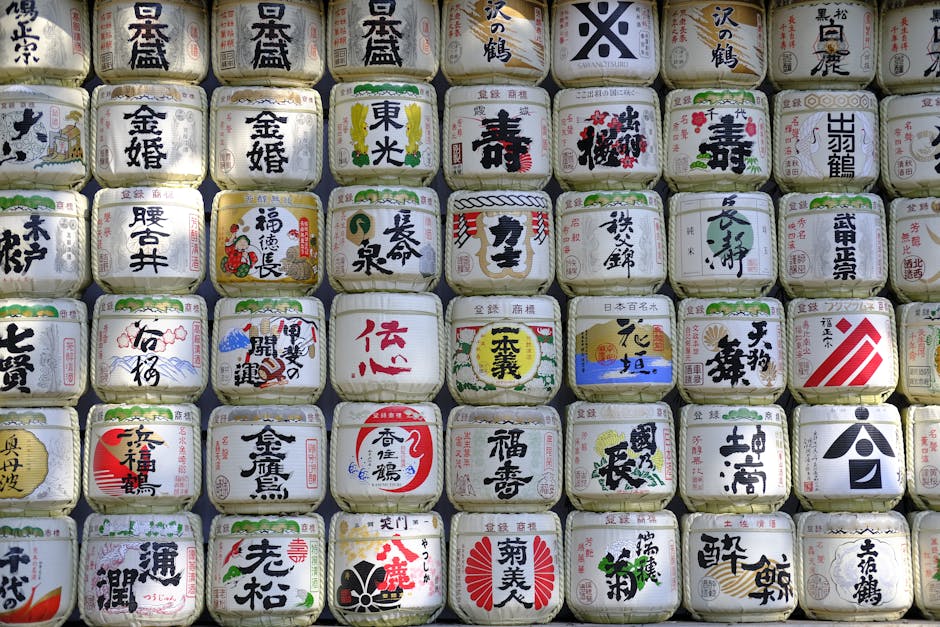
Historical Overview: The Evolution of Condiment Labels
Condiment labels have come a long way from their humble beginnings. Originally, they were simple, straightforward stickers that told you what was inside the bottle or jar. These labels were more about function than form, focusing solely on the essentials like the product name and its ingredients. Fast forward to today, and it’s a whole new ball game. The evolution of condiment labels is not just about the practical side of naming and describing anymore. Now, it’s an art, a science, and a key marketing tool. Manufacturers use colors, fonts, and images that grab your attention and speak to the personality of the brand. They also include nutritional information and even QR codes, taking you to websites for more details or recipes. This shift reflects our change in consumer habits. We’re not just looking for ketchup or mustard; we’re looking for an experience, something that stands out on a crowded shelf and connects with us on a personal level. The evolution of condiment labels is a testament to the creativity and innovation in the marketplace, turning a simple bottle of sauce into a canvas for expression.
Current Trends in Condiment Label Design
Right now, in the world of condiment labels, things are getting pretty exciting. First off, simplicity is the new black. Brands are ditching clutter for clean, minimal designs that make it easy for you to spot what you’re looking for. This means big, bold letters and not much else. It’s all about getting the point across without the fluff. Then there’s the storytelling angle. Companies aren’t just selling a sauce or a spread anymore; they’re selling a story. Labels now often include a bit of history about the brand or the origins of the recipe, making you feel a part of something bigger when you choose their product. Sustainability is also huge. With more people caring about the planet, condiment makers are showing off their eco-friendly side right on the label. They’re using recycled materials for their packaging and printing with soy-based inks. And let’s not forget, visuals are key. Gone are the days of generic bottle designs. Now, illustrations and unique fonts are taking center stage, turning condiment bottles into pieces of art on your kitchen table. In short, the current trend in condiment label design is all about being simple, engaging, eco-conscious, and visually appealing. It’s a whole new way to catch your eye and make you think, “Yeah, I need that in my life.”
Innovations in Material and Sustainability of Condiment Labels
Condiment labels have come a long way, moving towards more sustainable and innovative materials. Companies nowadays are ditching traditional plastic labels for eco-friendly options like biodegradable paper, plant-based plastics, and even seaweed. This shift isn’t just good for the planet; it also appeals to eco-conscious consumers. Plus, these materials can handle the fridge or the pantry, proving that going green doesn’t sacrifice quality. Another cool innovation is the use of smart labels that change color to show freshness or QR codes to give you recipes and the condiment’s origin story right on your phone. This blend of sustainability and tech not only reduces waste but makes your kitchen experience smarter.
The Impact of Technology on Condiment Label Production
Technology has revolutionized how condiment labels are made, turning the once slow and rigid process into a dynamic and flexible operation. Thanks to advancements in digital printing, makers can now produce small batches of labels without breaking the bank. This means they can experiment with designs more freely, respond to market trends quicker, and even personalize labels for specific events or customers. Plus, the quality of these digital prints is top-notch, with colors that pop and details that are sharp, making the product stand out on crowded shelves. Another game-changer has been the use of QR codes and smart labels. These aren’t just for show; they carry heaps of info that couldn’t possibly fit on a tiny sticker. By scanning a code, customers can discover recipes, the history of the product, nutritional info, and even interactive content like games or contests. This tech isn’t just flashy; it’s a way for brands to connect with their audience, build loyalty, and offer a richer experience. So, while the essence of condiments remains the same, the way they introduce themselves to the world is evolving fast, thanks to technology.
How Consumer Preferences Shape Condiment Label Trends
Consumer preferences are the steering wheel driving changes in condiment label designs today. As shoppers become more selective, labels have evolved beyond mere branding into information hubs and storytelling mediums. Here’s the scoop: people now prefer natural, organic ingredients, and they want this clearly displayed on their labels. This shift has nudged manufacturers to highlight “free-from” credentials—such as gluten-free or no added sugar—prominently.
Moreover, the rise of social media has made eye-catching and aesthetically pleasing labels more important than ever. Brands know a visually appealing label can turn a casual browser into a buyer, and maybe even a sharer, boosting the product’s visibility online. Sustainability is another big player. Eco-conscious consumers demand labels that signal a product’s commitment to environmental responsibility, whether through the use of recycled materials, minimal packaging, or clear recycling instructions.
Lastly, transparency is key. The modern consumer wants to know where their food comes from and the story behind it. As a result, condiment labels now often include QR codes or links that direct to detailed product backstories, sourcing information, and the brand’s ethical practices. In essence, labels are no longer just labels—they’re conversation starters, belief statements, and, importantly, reflections of consumer desires and societal shifts.
The Role of Regulatory Changes in Condiment Labeling
Regulations drive the changes in condiment labels. Governments update food labeling rules to protect consumers and ensure they know exactly what they’re eating. This push for transparency makes companies revamp their labels to comply with new laws. These updates often include listing allergens, nutritional information, and sourcing details. As a result, labels are not just for marketing; they’re a crucial tool for consumer safety and informed choices. The changes aim to cut down on misleading claims and provide a clearer picture of what’s inside the bottle or jar. So, when you see a condiment label now, it’s shaped by laws designed to keep you informed and safe.
Case Studies: Successful Condiment Label Redesigns
Two standout examples of successful condiment label redesigns come from Heinz and French’s. Heinz, known for its ketchup, took a bold step by making its label more user-friendly and emphasizing the product’s natural ingredients. The redesign led to a noticeable increase in sales, showing that customers appreciated the brand’s transparency and modern look. Similarly, French’s mustard reimagined its label with brighter colors and a more straightforward design, making it stand out on crowded shelves. This change not only boosted its shelf appeal but also reinforced the brand’s image as a provider of high-quality, natural condiments. These case studies prove that thoughtful redesigns can breathe new life into classic brands, making them more competitive and relevant in today’s market.
Future Predictions: Where Condiment Labels are Headed
The future of condiment labels is cruising down a high-tech avenue. With sustainability and technology powering change, expect to see big shifts. Firstly, smart labels are on the rise. These aren’t just labels; they’re mini-hubs of information. Scan them with your smartphone, and you’ll get recipes, the brand story, even a product’s carbon footprint. It’s not just about what’s in your sauce; it’s about connecting with it.
Eco-friendly materials are also taking the stage. The push for sustainable packaging means tomorrow’s condiment bottles might sport labels made from compostable and biodegradable materials. Picture grabbing ketchup where the label, just like the bottle, can return to the earth without harm.
And, the design? Minimalism is the word. Goodbye, cluttered labels that shout for attention. Hello, clean, simple designs that tell you what you need to know, making choices easier and shelves sleeker.
This is more than speculation. It’s where the world’s heading—smarter, greener, cleaner. Condiment labels are just joining the ride. So, next time you’re dressing your burger, think about this. The label you’re not giving much thought to now might soon give you a heap to think about.
Conclusion: The Continual Evolution of Condiment Labels in the Marketplace
So, we’ve seen how condiment labels have transformed, right? They’re not just stickers on a bottle anymore; they’re part of a bigger story. This evolution isn’t stopping anytime soon. With technology advancing, we can expect even cooler changes on the horizon. Interactive labels with QR codes? They’re already happening. What about labels that change color to show freshness? That’s on the table, too. Sustainability is king, so more eco-friendly materials will dominate. And, let’s not forget the power of personalization. Imagine a label designed just for you. The future of condiment labels is bright, folks. As our tastes and technology progress, so will the creativity of labels. Keep an eye out the next time you’re at the store. You might just find something new and exciting.


