

Blog

The Evolution of Adhesive Labels in Packaging: A Brief History
Introduction to adhesive labels in packaging
Adhesive labels have been a game-changer in packaging. They stick to products like a dream and offer all the details you need without a fuss. Imagine picking up a bottle, and there it is, everything from the ingredients to the brand story, neatly packed on a sticker. These labels didn’t just appear out of thin air. Their journey began in the early 1930s, thanks to R. Stanton Avery, who invented the first self-adhesive label. Now, they’re everywhere, making products look good and providing essential info clearly and quickly. Whether it’s a simple price tag or a vibrant product label, adhesive labels have made packaging simple, effective, and informative. With advancements in materials and printing technologies, these labels have only gotten better, offering durability and eye-catching designs. Next time you pick up a product, give a little nod to the adhesive label. It’s small but mighty, making our shopping experience smoother and the aisles a whole lot brighter.

The ancient origins of adhesive labels
Long before the glossy, self-sticking labels we know today, ancient Egyptians were the pioneers of label technology. Around 3,000 BC, they used papyrus to create labels for their medicinal and food containers. This wasn’t just for show. These labels had practical purposes, indicating what was inside the container, possible medicinal uses, and even the manufacturer’s details. Fast forward to the first century BC, and the practice had evolved. The Romans took it a step further by attaching labels to the outside of containers, giving details about the product and its maker. Such labels were primarily made from cloth, leather, or parchment. These ancient methods laid the foundation for the adhesive labels we use today, showing that the need to identify, brand, and provide information about products is as old as trade itself.
Technological advancements in the 19th century
The 19th century was a game-changer for adhesive labels. Before this time, labeling was more or less a manual affair. But then, two big things happened. First, in 1839, Charles Goodyear discovered vulcanization. This process made rubber more durable and flexible. It was a big deal because it meant labels could stick better. Then, in the 1860s, came the perfection of the lithographic process by Alois Senefelder. This was a method of printing that allowed for colorful and detailed designs on labels. Imagine, before this, labels were quite plain and boring. Suddenly, products could shout from the shelves with vivid colors and intricate designs. This era set the stage for the adhesive labels we know today. It wasn’t just about making things stick. It was about catching the eye and standing out. That’s the power of technology for you.
The rise of branding and adhesive labels
The journey of adhesive labels intertwined with branding began in the late 19th century. Before that, there wasn’t much thought given to packaging aesthetics. Think about it, products were mostly sold in bulk, with little to no branding. But as competition in the marketplace started heating up, companies realized they needed a way to stand out. Enter the solution: adhesive labels. This was a game-changer. Suddenly, brands could splash their logos, vibrant colors, and catchy slogans right on their products. It wasn’t just about identity; it was about shouting from the shelves, “Pick me!” And so, the adhesive label became a critical tool in the branding arsenal. By the early 20th century, thanks to advancements in printing technology, labels weren’t just functional. They were a canvas for creativity, an opportunity to tell a brand’s story visually. Whether a jar of jam or a box of nails, every product got its unique fingerprint. In this era, the label started doing more than just branding; it conveyed quality, trust, and appeal.
World War II and the evolution of adhesives
World War II was a turning point for many technologies, and adhesive labels were no exception. Before the war, labels were mostly simple and used gummed adhesives that needed to be moistened to stick. However, the demands of war pushed for rapid advancements. Supplies needed to be labeled and shipped efficiently. That’s when stronger, more durable adhesives came into play. These adhesives didn’t need to be wet to stick and could withstand harsher conditions, perfect for military supplies moving across different climates. This period saw the birth of pressure-sensitive adhesives, which are the cornerstone of today’s adhesive labels. They stick to surfaces when pressure is applied, making them incredibly versatile for all sorts of products, not just in the military. This innovation not only marked a significant evolution in the packaging industry but also set the stage for the modern adhesive labels we see on almost every product today.
The golden age of packaging and label design
The golden age of packaging and label design kicked off in the early 20th century, transforming how products were presented and sold. This era was marked by bold experiments in graphics and colors, grabbing customer attention and making products stand out on the shelves. Innovations in printing technology, such as lithography and later, flexography, allowed for more vibrant and detailed designs than ever before. Brands began to understand the power of a well-designed label, not just for information, but as a crucial part of the product’s appeal. During this period, iconic packaging, that we still recognize and love today, was born. Typography took center stage, with designers playing with fonts in ways that emphasized the product’s message and values. Simplicity was key; a shift from earlier designs crammed with information to cleaner, more impactful messaging. This golden age set the standards for aesthetic and functional design in packaging, leaving a lasting legacy that continues to influence how products are marketed.
The digital revolution and its impact on label production
The digital revolution changed the game for how we print labels. Before, making labels was a slow, costly process tied to printing presses and long setup times. Now, digital printing has made it easier, faster, and cheaper. This shift allows for small-scale runs and personalization that were tough to pull off before. Imagine printing labels straight from a digital file – no need for plates or physical setup. This means short runs for niche products are no fuss now. Plus, we can tweak designs on the fly, perfect for small businesses wanting to stand out or test the waters without sinking too much money. In a nutshell, the digital revolution has made label production more accessible, flexible, and efficient.
Sustainability and environmental considerations
Sustainability doesn’t just sound good; it’s essential, especially when we talk about adhesive labels in packaging. Nowadays, everyone’s looking to reduce their carbon footprint, and the packaging industry is under the spotlight. We’re seeing a big shift towards greener alternatives. Traditional labels, while practical, haven’t been the best pals of Mother Earth. They often end up in landfills, refusing to decompose nicely. That’s changing, though. Companies are now leaning towards materials that are kinder to our planet. We’re talking about labels made from recycled materials, biodegradable options, and even plant-based inks. This isn’t just a passing trend. It’s a commitment to making sure that the packaging that enhances our products today doesn’t end up harming future generations. The goal here is clear: less waste, less harm, and a happier planet. So, next time you see a label claiming to be eco-friendly, know that it represents a step towards a more sustainable future in packaging.
Current trends and future predictions for adhesive labels
The world of adhesive labels is always on the move, with trends shaping up that impact how products catch our eye in stores or online. Right now, sustainability is a big deal. People want labels that don’t harm the planet, so we’re seeing more made from recycled materials or designed to be easily recyclable. Eco-friendly inks and adhesives are also on the rise, making labels kinder to the earth. Then there’s the tech side of things. Smart labels with QR codes or NFC (Near Field Communication) technology are everywhere. These aren’t just for show; they let customers interact with products in a whole new way, like tracing the product’s journey from production to shelf or accessing special offers. For businesses, it’s a smart move to engage customers and build loyalty. Looking ahead, digital printing technology is something to watch. It’s getting better and cheaper, which means even small brands can jump on trends like personalization. Imagine a world where every label can be unique, speaking directly to the buyer. Also, augmented reality (AR) labels might take off, turning a simple label into an interactive experience. Think of pointing your phone at a label and seeing the story of the product or how to use it come alive on your screen. It’s a blend of information and entertainment that could change how we see labels. In brief, labels are becoming more than just stickers on a product. They’re turning into key players in sustainability, customer interaction, and digital innovation. The future looks sticky, in the best way possible.
Conclusion: The lasting importance of adhesive labels in packaging
Adhesive labels have journeyed far from their beginnings, transforming packaging at every step. Today, they are not just a method to provide information but a critical tool for branding, safety, and regulatory compliance. The evolution emphasizes their lasting importance in the packaging world. They make products stand out on shelves, offer vital consumer info, and ensure products meet legal standards. Their flexibility and cost-effectiveness mean they’re here to stay, playing a pivotal role in packaging across industries. In essence, adhesive labels have become indispensable, proving their value time and again.

Why Blister Packaging Is a Game-Changer for Consumer Safety
Imagine picking up your medication or a new electronic device and feeling confident that it’s safe, secure, and hasn’t been tampered with. This peace of mind comes from a packaging innovation that’s becoming more and more commonplace in our daily lives: blister packaging. In this blog, we’ll dive into how blister packaging is revolutionizing consumer safety, making products safer and more secure than ever before.
The Basics of Blister Packaging
Blister packaging, at its core, is a pre-formed plastic packaging used for small, individual items such as pharmaceuticals and electronics. What sets it apart is its cavity or pocket made from a formable web, usually a type of plastic or aluminum, designed to protect the enclosed product against external factors like humidity, contamination, and tampering. A distinguishing feature of blister packaging is the ease with which consumers can verify the integrity of the product, providing an immediate assurance of its safety and quality.
Understanding how blister packaging is made is crucial to appreciating its role in consumer safety. The process involves heating a sheet of plastic to make it pliable, then forming it into a mold to create pockets. Once the product is placed into these pockets, a backing material, often made of foil or paper, is sealed onto the package. This combination of materials ensures that the package is both secure and tamper-evident. If the packaging has been punctured or opened, it’s immediately obvious, giving consumers trust in their purchase decisions.
Enhancing Product Safety with Tamper Evidence
Tamper evidence is a cornerstone of blister packaging, offering an unmistakable indication if the underlying product has been interfered with. This feature is incredibly important for medications, where the cost of tampering can extend far beyond financial to potentially life-threatening. By having a physical barrier that must be broken to access the product, consumers can immediately identify if a product is safe to use.
As consumer demand for safety and integrity in products has grown, so too has the importance of solutions like blister packaging. Incorporating elements that allow a consumer to easily confirm product safety is not just a trend, it’s becoming a standard across industries. This shift towards tamper-evident packaging is a response to the call for transparency and trust between consumers and manufacturers.
How Blister Packs Protect Medications and Consumers
Blister packaging plays a pivotal role in the pharmaceutical industry, not only in keeping medications safe from external contaminants but also in promoting patient compliance. The individual compartments of a blister pack make it easy for patients to track their dosage and adhere to their medication schedules. This methodical organization goes beyond mere convenience; it’s a crucial step in ensuring the efficacy of treatment plans and in safeguarding against misuse or accidental overdose.
The durability and integrity of blister packs also mean that medications are protected during transport, decreasing the risk of damage and contamination before the product reaches the consumer. This layer of protection is essential for maintaining the medication’s potency and effectiveness, ultimately contributing to patient safety and well-being.
Blister Packaging and Consumer Convenience: A Perfect Match
One of the less discussed, yet equally important, advantages of blister packaging is its convenience for the consumer. The easy-to-use nature of blister packs, requiring no additional tools or force to access, means that people of all ages and abilities can manage their medications independently. This autonomy is a significant factor in the overall effectiveness of treatment plans, as it helps ensure that medications are taken regularly and correctly.
Furthermore, the compact and lightweight design of blister packs makes them ideal for consumers on the go. Whether it’s for daily medicines or vitamins, blister packaging fits easily into any lifestyle, ensuring that individuals can maintain their health regimens without inconvenience.
The Environmental Impact of Blister Packaging
Although blister packaging is a boon for consumer safety and convenience, its environmental impact has been a point of contention. Traditional blister packs, especially those made with PVC, pose recycling challenges. However, the industry is turning towards more sustainable materials and processes, such as PET plastics, which are easier to recycle and have a lesser environmental footprint. This shift reflects a broader trend in packaging towards sustainability, balancing the need for consumer safety with environmental responsibility.
Innovations in the field are continually emerging, with companies exploring biodegradable and compostable materials to further reduce the ecological impact of blister packaging. These efforts demonstrate the industry’s commitment to not only safeguarding consumers but also protecting the planet. As these sustainable practices become more widespread, the benefits of blister packaging can be enjoyed without compromise.
Future Trends in Blister Packaging
The future of blister packaging is shaped by ongoing innovation and an increasing focus on both user experience and environmental sustainability. Advanced materials, such as highly recyclable polymers and bioplastics, are at the forefront of this evolution. These materials promise to address current environmental concerns without sacrificing the protective qualities that make blister packaging invaluable.
Another promising development is the integration of smart technologies into blister packs. Incorporating elements like QR codes and NFC tags could transform blister packaging into interactive platforms, offering consumers access to product information, usage instructions, and authenticity verification. This blend of physical protection, convenience, and digital engagement represents the next leap in packaging solutions, catering to the modern consumer’s needs and expectations.
Embracing Blister Packaging: A Step Toward Safer Consumption
Blister packaging is much more than just a packaging choice; it’s a significant step forward in consumer safety and product integrity. As we’ve explored, its benefits range from tamper evidence and product protection to enhanced usability and sustainability. This packaging innovation not only addresses safety concerns but also responds to the growing demand for responsible and user-friendly packaging solutions. Next time you peel back the foil of a blister pack, you’ll appreciate the peace of mind and security it offers, knowing that what you’re consuming is exactly as it was intended to be. Discover how our solutions can enhance the safety and integrity of your products by visiting our homepage.

7 Trends Revolutionizing Cosmetic Packaging in 2023
In the whirlwind world of beauty, 2023 is marking a revolution in cosmetic packaging. Dive into the latest trends that are not just elevating products but also redefining the essence of beauty brands.

1. Eco-Friendly Materials Take the Spotlight
2023 has unmistakably become the year where eco-friendly materials steal the show in cosmetic packaging. Brands are increasingly leaning towards biodegradable, recyclable, or compostable packaging options, shedding light on the pressing issue of environmental sustainability. From bamboo and wood to recycled paper and plastics, the drive towards greener alternatives is more than a trend—it’s a movement. This surge not only appeals to environmentally conscious consumers but also positions brands as responsible entities in the fight against pollution and waste.
Moreover, the advent of innovative biodegradable polymers and plant-based packaging solutions showcases the industry’s commitment to reducing its carbon footprint. Such materials not only dissolve harmlessly back into the earth post-use but also serve as a testament to the technological advancements catering to sustainability. It’s a critical step forward, signaling a future where beauty and environmental care go hand in hand.
2. Minimalist Design Meets Luxury
The intersection of minimalist design and luxury in cosmetic packaging is crafting an era of understated elegance. This trend sees brands stripping back to essentials, favoring clean lines, simple color palettes, and a focus on brand identity with a touch of sophistication. The minimalist approach isn’t merely about looks; it’s about creating an experience that speaks of quality and timelessness. This trend is particularly appealing as it transcends the visual to evoke an emotional response, inviting consumers into a realm of luxury that’s both accessible and aspirational.
3. Smart Packaging: Beyond Aesthetics
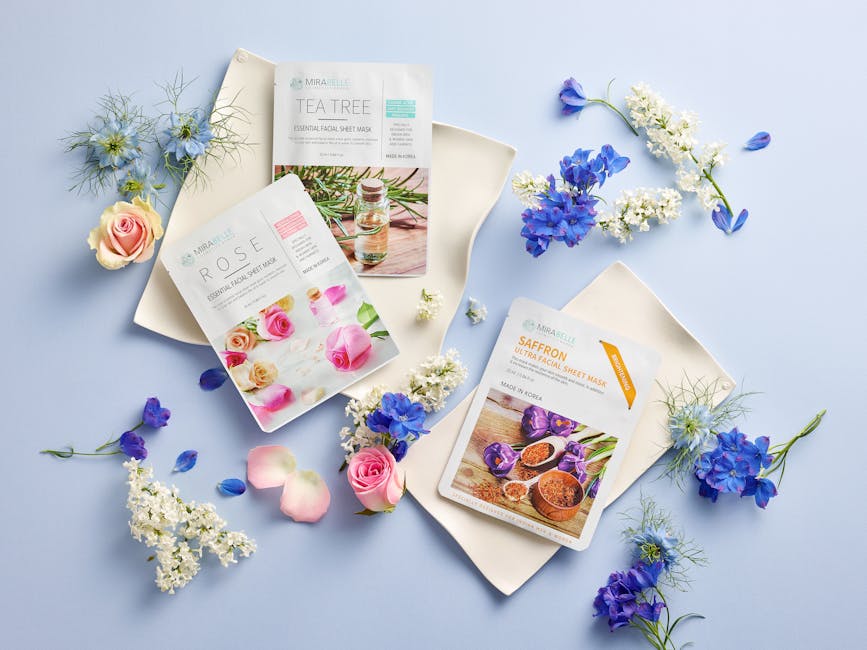
Smart packaging is revolutionizing cosmetic packaging by embedding technology that extends beyond mere aesthetics to enhance user experience. This involves QR codes that unlock a world of product information, augmented reality apps that allow virtual try-ons, and NFC (Near Field Communication) technology facilitating customer engagement and loyalty programs. It’s not just packaging; it’s a gateway to a connected world, bridging the gap between physical products and digital experiences. Smart packaging is transforming how consumers interact with beauty brands, making it a key trend to watch in 2023.
4. The Rise of Refillable Options
The rise of refillable options represents a significant shift towards sustainability and cost-effectiveness in cosmetic packaging. This trend not only reduces waste but also encourages a more sustainable consumption pattern among consumers. Brands are innovating with beautiful, durable containers designed for long-term use, with easy-to-refill mechanisms. It’s a win-win for consumers and the environment alike, offering a practical solution that beautifies the planet and our homes.
Additionally, this approach fosters a deeper brand-customer relationship, as it requires consumers to return to the brand for refills. It’s a conversation starter about sustainability, making it a trend that’s reshaping consumer habits and brand strategies alike.
5. Vivid Colors and Bold Textures
2023 sees the embrace of vivid colors and bold textures in cosmetic packaging, as brands look to captivate and excite the senses. This trend is a departure from the minimalist palette, offering instead a feast for the eyes with holographic finishes, metallic sheens, and vibrant, saturated colors. These sensory elements not only draw attention on crowded shelves but also reflect the individuality and boldness of the consumers who choose them. It’s a celebration of self-expression, transforming cosmetic packaging into a canvas for artistic and personal statement.
6. Innovative Dispenser Designs
In the quest for functionality and convenience, innovative dispenser designs are making waves. These are not just about dispensing product; they’re about enhancing the user experience with precision, hygiene, and innovation. From airless pumps that ensure product longevity to bespoke droppers that deliver the perfect amount, these designs cater to the desires of a sophisticated consumer base. This attention to detail in functionality illustrates the industry’s commitment to delivering not just a product but a truly elevated user experience.
7. Personalization and Customization
Personalization and customization have become buzzwords in cosmetic packaging, offering consumers a unique way to express their individuality through their beauty products. This trend encompasses everything from customizable product formulas to personalized packaging options, including names, preferred designs, or colors. This level of personal touch turns an ordinary beauty product into a cherished possession or a perfect gift. It’s a trend that speaks directly to the heart of the consumer, making it a noteworthy mention in the changing landscape of cosmetic packaging.

Why Should Your Business Consider Using Foil Labels?
In a world where first impressions count more than ever, foil labels offer that touch of shine that can set your products apart. Discover why these sparkly little details can make a big impact on your brand.

Introduction to Foil Labels
Foil labels are not just a product; they’re an experience. By incorporating a metallic finish, they offer a visual and tactile enhancement that standard labels can’t match. Often used on premium products, these labels can create a sense of luxury and quality that elevates your brand in the eyes of consumers.
The process of creating foil labels involves applying a thin layer of metal onto the label material, creating a finish that can range from smooth and glossy to textured and matte. This versatility allows businesses to customize their packaging to reflect their brand identity accurately.
The Appeal of Foil Labels for Branding
Branding is all about storytelling, and every element of your packaging contributes to your story. Foil labels add a chapter of sophistication and attention to detail that persuades customers to take a closer look.
In competitive retail environments, foil labels can be the difference-maker that catches the consumer’s eye. They signify that a product is premium, which can justify a higher price point and attract a more discerning clientele.
Durability and Quality of Foil Labels
One of the biggest advantages of foil labels is their durability. Resistant to fading, moisture, and wear, these labels maintain their shine and appearance over time, ensuring that your product looks as good on the outside as it does on the inside.
The quality of foil labels goes beyond just their physical attributes. They also represent a commitment to excellence and detail, reflecting positively on your brand’s reputation for quality products.
Customization Options
The array of customization options for foil labels means there’s a style to suit every brand. From gold and silver to vibrant colors achieved through colorized foil, the possibilities are vast. You can also choose between embossed (raised) designs and debossed (indented) styles to add texture to your labels.
Cost Considerations
Introducing foil labels to your packaging design might seem like an expensive endeavor initially. However, considering their impact on brand perception and the potential for increased sales, they can offer substantial return on investment.
Many suppliers offer scalable solutions, making foil labels accessible even for smaller businesses aiming to make a big impression.
Application and Usage of Foil Labels
Applying foil labels to your products is straightforward, with options for adhesive backing that suits various surfaces and product types. They can adorn anything from wine bottles and cosmetics to luxury food packaging, making them incredibly versatile.
Making the Decision for Your Business
Choosing to use foil labels is a significant branding decision that can set your products apart and appeal to a target market looking for something extra. Consider your brand’s personality, your product, and your market to decide if foil labels align with your branding goals.
As the market evolves and packaging competition increases, foil labels offer a timeless way to elevate your brand and create lasting impressions.
Why Foil Labels Are a Bright Idea for Your Brand
Adding foil labels to your products is not just a decision about aesthetics; it’s a strategic business move that speaks volumes about the value you place on your brand and its perception in the market. With their eye-catching appeal, durability, and versatility, foil labels are an investment that can enhance your product’s shelf appeal, reinforce your brand identity, and potentially increase sales. Dive into the world of foil labels and let your brand shine brighter than ever.

5 Design Tips for WOW Flexographic Printing

All printing processes—whether flexographic, rotogravure, digital, or offset—have certain parameters that have a huge impact on the success of the finished package. When designing a package for the flexographic printing process—which is one way that Fortis Solutions Group prints packaging—there are some key points to keep in mind.
1. What are the materials that will be used for the package?
The color, opacity, and clarity of the materials will cause colors to change. A matte material will dull out colors, and paper absorbs more ink than film. Talk to us about how the materials selected may impact your design.
2. Do I have the correct dieline for the package?
You want to ensure that you are designing within a correct layout.
For example, for a bar wrap, you do not want something meant for the front side of the bar to be on the side or back once the bar is wrapped. The dieline will include the location of eyemarks, which are used on the packaging equipment. This requires communication between the designer, printer, and co-packer to ensure the finished product is as anticipated.
3. Am I building my design file correctly?
We are going to recommend the best way to print your graphics on a flexographic press that will provide a quality finished product while considering costs. We may ask you to change from spot color to a 4 color equivalent or vice versa based on our 30 years of flexographic printing experience. Feel free to submit your preliminary designs for
feedback and recommendations for optimum print results.
4. Am I designing with common plates in mind between SKUs.
With flexographic printing, each color is placed on the substrate via a plate. If you have a spot-color logo and ensure it is the same size and placement on all SKUs, you may reduce the number of plates required. In the same vein, if you have a flavor color that changes from SKU to SKU, try to keep the graphics common so you have fewer plate changes within the run. We will be glad to suggest how you can achieve optimization within your design.
5. Do I have achievable results in mind?
It is important to understand that what is built within your
design program with unlimited possibilities then has to be transferred to the mechanical printing process. Flexographic printing has made great strides over the years in our ability to provide high-quality packaging, but without an understanding of what is doable on press, there is a chance your design will not print as you envisioned.
You will be miles ahead if you take these 5 things into account
when designing for flexography. But on that note, we don’t mind being pushed by out-of-the-box questions about what we can attain.
We love to talk about printing and packaging. Give us a call and
one of our printing specialists will be happy to discuss your project.
Share Now!
Contact Us

15 Tips for Designing Effective Removable Labels That Stand Out
In the bustling world of products and packaging, making your item shine on the shelf is no easy feat. Removable labels offer a versatile, dynamic way to catch the consumer’s eye, convey essential information, and even tell your product’s story. But how do you design a label that stands out while staying on brand and serving its purpose? Dive into these 15 expert tips to craft removable labels that not only pop but push your product to the forefront of consumers’ minds.

1. Understanding the Purpose of Your Removable Labels
The first step in designing outstanding removable labels is to decipher their purpose. Is it purely informational, or does it serve a branding purpose? Maybe it’s meant to engage your customers with a call-to-action? Understanding the label’s role will guide your design decisions, from the material you choose to the information you decide to include. This foundational understanding ensures your label not only looks good but fulfills its intended function with flair.
2. Choosing the Right Material for Longevity and Ease of Use
The material of your removable label plays a crucial role in both its durability and usability. Opt for materials that balance aesthetic appeal with practical considerations like resistance to water, ease of removal, and the ability to reapply the label if necessary. Material choices like vinyl or BOPP (biaxially-oriented polypropylene) offer a fantastic combination of clarity, durability, and flexibility, ensuring your labels look great and last long on your product.
3. Incorporating High-Impact Designs That Grab Attention
To make sure your removable labels catch the shopper’s eye, incorporate high-impact designs that stand out. This could mean bold colors, innovative shapes, or engaging textures that beg to be touched. The goal is to break through the visual clutter and draw attention to your product. However, ensure that your design aligns with your brand identity to maintain consistency across your product line.
4. Selecting Colors That Pop but Match Your Brand
Color plays a pivotal role in label design, influencing consumer perceptions and emotions. Choose colors that not only pop but also harmonize with your brand palette. This doesn’t mean you’re restricted to your brand colors alone; consider complementary colors that enhance visibility while still aligning with your brand’s aesthetic. Remember, the key is to make your label stand out while maintaining a cohesive brand identity.
5. Utilizing Clear, Easy-to-Read Fonts
Your label’s readability is non-negotiable. Select fonts that are easy to read at a glance, even from a distance. While it’s tempting to use elaborate, decorative fonts, simplicity often reigns supreme when it comes to fonts. Choose clear, legible typefaces for your main text and reserve unique fonts for brand names or headlines. This way, your label communicates your message effectively without sacrificing style.
6. Mastering the Art of Simplicity and Clarity
In label design, less is often more. A cluttered label can overwhelm the viewer, making it hard to identify key information quickly. Strive for simplicity and clarity in your design, focusing on essential elements like brand name, product description, and a clear call-to-action. This minimalist approach not only ensures your labels are user-friendly but also elevates the overall aesthetic, making your product stand out for all the right reasons.
Additionally, consider the hierarchy of information on your label. Highlight the most important details, like product name or unique features, using larger fonts or bolder colors. This visual prioritization helps consumers quickly grasp what your product is about and why it’s worth their attention.
7. Ensuring Your Labels are Waterproof and Wear-Resistant
If your product is likely to encounter moisture or handling, choosing waterproof and wear-resistant materials for your removable labels is a must. Labels that deteriorate or fade quickly not only look unappealing but may also lead to loss of crucial information. Advanced materials and finishes can protect your labels against water damage and wear, preserving their look and integrity throughout the product’s lifecycle.
8. Integrating QR Codes for Digital Interactivity
In today’s digital age, integrating QR codes into your removable label design offers a bridge between the physical product and digital content. A QR code can direct customers to your website, promotional videos, or exclusive offers, enhancing engagement and providing added value. Ensure that the QR code is strategically placed and sized appropriately for easy scanning, without detracting from the label’s overall design.
9. Testing Your Labels Under Different Conditions
Before finalizing your removable label design, it’s crucial to test it under various conditions to ensure durability and legibility. Expose your labels to different environments, temperatures, and handling scenarios to identify potential issues with adhesion, color fading, or material integrity. This proactive approach allows you to make necessary adjustments, ensuring your labels perform as expected, regardless of where your product ends up.
10. Making Your Labels Reusable When Possible
In an era where sustainability is increasingly important, designing reusable labels can give your product an edge. Consider labels that can be easily removed and reapplied, allowing customers to repurpose your packaging or the labels themselves. This not only minimizes waste but also enhances your brand’s reputation for environmental responsibility. However, ensure that reusability doesn’t compromise the label’s quality or adherence to the product.
11. Adhering to Regulatory Requirements for Labeling
Depending on your product and the market it’s entering, certain regulatory requirements may dictate what must be included on your labels. From ingredients lists to safety warnings, compliance is key to avoid legal issues and ensure consumer trust. Familiarize yourself with the relevant regulations and ensure your labels meet all necessary standards, all while maintaining an engaging design.
12. Understanding Your Audience and Their Needs
An effective label speaks directly to its intended audience. Conduct market research to understand the preferences, needs, and values of your target consumer. This insight allows you to tailor your label’s design, message, and functionality to resonate strongly with your audience, increasing the likelihood of engagement and purchase. Remember, a label that appeals to a broad demographic may need a different approach than one targeted at a niche market.
13. Creating A Story Through Your Label Design
Your removable label is more than just a sticker; it’s a storytelling tool. Use your label to convey your brand’s story, ethos, or the unique selling points of your product. Whether it’s through imagery, color, or text, a well-crafted label can evoke emotions and create a connection between your product and the consumer. A compelling story can significantly enhance your product’s appeal and differentiate it in a crowded market.
14. Leveraging Label Design for Brand Identity and Recognition
Consistency is key when it comes to building brand identity and recognition through your labels. Ensure your removable labels reflect your brand’s visual identity, using consistent colors, fonts, and logos. This cohesiveness across product lines reinforces brand recognition, making your products instantly identifiable to consumers. An iconic label design can become synonymous with your brand, driving loyalty and preference.
15. Embracing Creativity While Maintaining Functionality
While creativity is crucial in setting your labels apart, it’s important not to lose sight of functionality. Innovative materials, cutting-edge printing techniques, and unusual shapes can make your labels pop, but ensure they still serve their primary purpose effectively. Striking the right balance between creativity and practicality is the key to designing removable labels that are both eye-catching and effective.