

Blog

How Can You Choose the Right Material for Your Wine Labels?
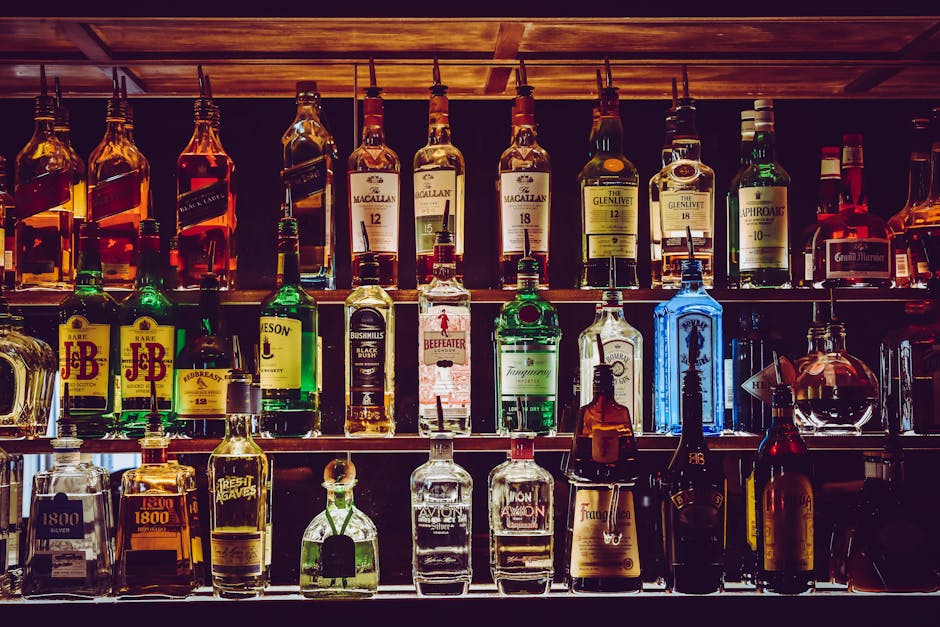
Choosing the perfect material for your wine labels is akin to selecting the perfect dress for a grand ball; it sets the tone and tells a tale before the first sip is taken. Let’s embark on a journey to ensure your wine dresses to impress on the shelf.
Understanding the Basics of Wine Labels
Wine labels go beyond just aesthetics; they serve as the silent spokesperson for your product. They communicate your brand’s heritage, quality, and uniqueness. Understanding the role of color, texture, and material in conveying this message is your first step towards creating an impact.
Material choices offer not only different appearances but also variations in durability and application methods. Every material interacts differently with environmental factors like moisture, temperature, and handling.
Factors to Consider When Choosing Material
Consider your wine’s journey from cellar to table. Will it face humidity, fluctuating temperatures, or extensive handling? These factors should influence your material choice to ensure longevity.
The look and feel of your label material can greatly influence a customer’s perception. From luxurious textured papers to modern synthetic options, your choice should align with your brand’s personality.
Lastly, think about your label’s printing requirements. Certain materials are more suitable for intricate designs, colors, and finishes. Ensuring compatibility with your design vision is crucial.
Different Materials Available for Wine Labels
Paper labels are classic and offer a wide range of textures and finishes. They’re perfect for conveying tradition and craftsmanship but require consideration for moisture resistance.
Synthetic labels, made from materials like polyester or polypropylene, offer superior durability and moisture resistance, ideal for wines expected to face challenging conditions.
For those looking to make an environmentally friendly choice, there are labels made from recycled materials or sustainable sources such as bamboo. These materials not only reduce environmental impact but also add a story element to your brand.
How to Match Your Brand’s Style with the Right Material
Know your brand’s personality inside and out. Is it classic, minimalist, modern, or eco-conscious? This knowledge should be the compass guiding your material choice.
Consider material finishes that best communicate your brand’s values. For instance, a matte finish might suggest sophistication and elegance, while a glossy finish could hint at modernity and vibrance.
Environmental Consider Hamas,:over m Mions for Your Wine Labels
As consumers become more environmentally aware, choosing sustainable label materials can significantly impact your brand’s perception. Materials such as recycled paper or bio-based plastics not only support sustainability but often tell a story that resonates with eco-conscious consumers.
Tips for Testing and Finalizing Your Choice
Before making a final decision, test your chosen material under conditions similar to how the product will be stored and handled. This can help ensure that your wine label remains pristine from shelf to glass.
Remember, the right material choice is out there. It might take some exploring and testing, but finding the perfect match for your wine labels is an investment in your brand’s visual story and overall success.
Wrapping Up Your Wine’s First Impression
Selecting the right material for your wine labels is not just about aesthetics; it’s about telling your brand’s story, ensuring durability, and making environmentally responsible choices. In the vast vineyard of options, taking the time to consider all factors will lead to a bottle that stands out not just for its contents but for its presentation. Remember, in the world of wines, the label is your first introduction to the connoisseurs.

Unlocking the Secrets to Effective Beer Label Design
In the ever-expanding universe of craft beers and microbreweries, a captivating beer label can be the difference between getting noticed or fading into the background. A well-designed beer label does not only attract eyeballs but also tells a story, evoking emotions and creating a connection even before the bottle is opened. Dive into the artistry and psychology behind creating beer labels that stand out on crowded shelves and whisper to the consumer, ‘Take me home.’

The Art and Science of Beer Label Design
The journey into effective beer label design marries art with science, blending aesthetics with psychological insight. At its core, a beer label serves as both a canvas for creative expression and a sophisticated tool for market differentiation. Designers wield color, texture, and typography to create a visual narrative that aligns with the brewer’s philosophy and the beer’s unique character, crafting an immediate sensory appeal that entices and informs the consumer.
In this realm, design tropes often evolve, influenced by cultural trends, historical contexts, and technological advancements. The challenge lies in balancing artistic freedom with practical considerations such as readability, label material resilience, and regulatory compliance. An elegantly simplistic design might captivate the minimalists, while intricate artwork appeals to those seeking the mystique in their malt.
Understanding the Psychology of Beer Label Perception
The psychology of beer label perception delves into how consumers interpret and react to different elements of design. Color psychology plays a pivotal role, with certain hues invoking warmth, energy, or tranquility, thus subtly influencing buying behavior. Labels that skillfully use color to reflect the beer’s flavor profile or evoke a particular mood can create an instinctive attraction.
Furthermore, the visual hierarchy on the label directs the viewer’s attention, guiding them through the brand name, type of beer, and other essential information effortlessly. Employing recognizable symbols or motifs can anchor the brand in the drinker’s memory, making it more likely to stand out during their next purchase decision. Consumer psychology underscores the importance of creating a ‘story’ through design, one that resonates on a personal level with the target demographic.
Key Elements of a Memorable Beer Label
Memorable beer labels often share common elements that strike a perfect balance between uniqueness and familiarity. Firstly, a distinctive logo that captures the essence of the brand sets the stage for brand recognition. Typography plays a dual role, enhancing readability while contributing to the label’s overall aesthetic appeal. The choice of font and text layout can evoke tradition, modernity, or whimsy, depending on the brewer’s intent.
Imagery, be it abstract illustrations or realistic depictions, tells the beer’s tale, transporting the consumer to where the hops were harvested or to a moment inspired by the ale’s taste. Additionally, the narrative on the label can captivate consumers, inviting them into the brand’s lore or the specific inspiration behind a brew, thereby fostering a deeper connection.
Lastly, consideration of the label material itself, from rustic paper to sleek metallic finishes, can complement the design, adding a tactile dimension to the visual impact. This harmonious blend of elements ensures that the label not only catches the eye but also holds the gaze, compelling the consumer to reach out and choose it from amongst its peers.
Trends and Innovations in Beer Label Design
The sphere of beer label design is ever-evolving, with current trends favoring bold, minimalist designs that prioritize clarity and impact. Augmented reality (AR) labels have also emerged, offering interactive experiences that tell stories or reveal the beer-making process when scanned with a smartphone. Such innovations engage consumers beyond the shelf, creating memorable brand interactions.
Sustainability has become a significant consideration, with eco-friendly inks and recyclable materials gaining popularity, reflecting consumers’ growing preferences for brands with environmentally responsible practices. Limited edition releases often feature artwork by renowned artists or collaborations with local creatives, adding collectible value and fostering community involvement.
Case Studies: Successful Beer Label Designs
Analyzing successful beer label designs offers valuable insights into the power of effective branding. Take, for example, a craft brewery that partnered with local artists to release a series of limited-edition beers, each label acting as a canvas for urban art. The resulting buzz not only boosted sales but also elevated the brand’s cultural relevance.
Another case study involves a brewery that adopted a minimalist label design, focusing on typography and a monochromatic color scheme to stand out. This approach underscored the brand’s commitment to simplicity and quality, resonating with consumers seeking authenticity and refinement in their beer choices.
Crafting the Perfect Sip: Beyond the Label
The tapestry of effective beer label design weaves together a brewer’s vision, artistic innovation, and psychological savvy, transforming ordinary bottles into icons of the craft beer movement. As consumers wander through aisles, the silent ambassadors of your brand—the labels—speak volumes. Harnessing the power of compelling design, understanding the psyche of your audience, and staying abreast with the evolving trends are indeed the secrets to unlocking a successful identity in the bustling world of beers. Remember, a great label not only captures attention but also encapsulates the essence of the craft, making every sip an experience worth remembering.

The Future of Sustainability in Bakery Packaging Trends
In a world increasingly conscious of its environmental footprint, the bakery sector is rising to the challenge, innovating with sustainable packaging solutions that promise not only to protect our planet but also to enhance the consumer experience. This exploration into sustainable bakery packaging trends unveils the transformative journey from traditional to eco-friendly practices, shedding light on the materials, designs, and consumer behaviors shaping the future of the industry.

The Growing Demand for Sustainable Bakery Packaging
Recent years have seen a notable shift in consumer preferences towards more environmentally friendly products, including bakery packaging. This change is driven by increasing awareness of environmental issues, such as pollution and resource depletion. Consumers are now looking for packaging options that are easily recyclable, biodegradable, or made from renewable resources, prompting bakeries to rethink their packaging strategies to not only meet regulatory standards but also align with customer expectations for sustainability.
The demand for sustainable packaging solutions in the bakery sector is also being fueled by the rise of the eco-conscious shopper. A growing number of consumers are willing to pay a premium for products that are packaged in a way that minimizes environmental impact, illustrating a clear market trend towards sustainability. This shift not only presents a challenge but also an opportunity for innovation within the industry.
Innovative Materials in Sustainable Bakery Packaging
As the bakery industry moves towards more sustainable practices, a plethora of innovative materials have emerged as alternatives to traditional plastic packaging. Bioplastics, made from renewable resources such as corn starch, and post-consumer recycled materials are becoming increasingly popular. Additionally, the development of edible packaging, made from natural ingredients like starches and seaweed, presents an exciting avenue for reducing waste and adding value to products.
Another material gaining traction is cellulose-based packaging, derived from wood pulp, which offers a compostable solution with minimal environmental impact. The introduction of these materials into bakery packaging designs not only supports waste reduction but also aligns with the growing consumer desire for products that contribute to a circular economy.
Enhancing Brand Value through Eco-Friendly Packaging
Sustainable bakery packaging does more than just protect the environment; it also enhances the brand value by aligning with the values of eco-conscious consumers. Brands that commit to sustainable practices often see a boost in consumer loyalty and brand perception, as they are viewed as responsible and forward-thinking. By communicating the eco-friendly attributes of packaging through clear labeling and marketing, bakeries can differentiate themselves in a competitive market.
Challenges in the Transition to Sustainable Bakery Packaging
Despite the clear benefits, the transition to sustainable bakery packaging is not without its challenges. Issues such as higher costs of sustainable materials, limited availability, and the complexity of recycling infrastructure can pose significant obstacles for bakeries. Additionally, finding the balance between functionality, such as freshness preservation, and sustainability can be difficult. However, continuous advancements in materials science and packaging technology are helping to overcome these hurdles.
Case Studies: Success Stories in Sustainable Bakery Packaging
Many bakeries around the world are already leading the way in sustainable packaging, with innovative solutions that reduce waste and environmental impact. For instance, some European bakeries have successfully implemented fully compostable packaging solutions that break down within weeks in industrial composting facilities. These success stories serve as powerful examples for the rest of the industry, demonstrating that sustainable packaging is not only feasible but also beneficial for business and the environment.
The Role of Consumer Behavior in Shaping Bakery Packaging Trends
Consumer behavior plays a pivotal role in the adoption of sustainable bakery packaging. As more consumers demand eco-friendly packaging options, bakeries are compelled to respond by incorporating sustainable practices into their operations. This mutual relationship encourages both consumers and businesses to work towards a more sustainable future. Education and awareness campaigns can further influence consumer behavior, accelerating the shift towards sustainable packaging solutions.
Future Directions in Sustainable Bakery Packaging Innovation
The future of bakery packaging hinges on ongoing innovation and collaboration across the supply chain. Developments in material science and packaging design will continue to drive sustainability in the sector. Looking forward, we can anticipate further advances in biodegradable and compostable packaging, as well as the integration of digital technologies like QR codes to educate consumers about recycling. The continued focus on sustainability will not only help protect our environment but also offer new opportunities for branding and customer engagement in the bakery industry.
Baking a Greener Future
As we close the chapter on our exploration of sustainability in bakery packaging, it’s clear that the journey towards eco-conscious practices is not just a trend—it’s a crucial transition for both the environment and businesses. Embracing innovative materials, acknowledging the power of brand value through eco-friendly initiatives, and understanding the importance of consumer behavior will lead the industry into a promising, sustainable future. Bakeries and packaging professionals intertwined in this green evolution are not only contributing to a healthier planet but are also tapping into a growing market that values sustainability as much as taste and quality.

Innovations in Wine Labels: Blending Tradition and Modernity
In the vibrant world of viticulture, wine labels hold a story within a story, embodying the essence of each bottle. They provide a canvas for innovation, blending age-old traditions with the pulse of modern design and technology. This journey through the evolution and craft of wine labeling reveals how the art of storytelling through labels has transformed, drawing in connoisseurs and casual drinkers alike to uncover the tales bound in vines.
The Evolution of Wine Labels Through History
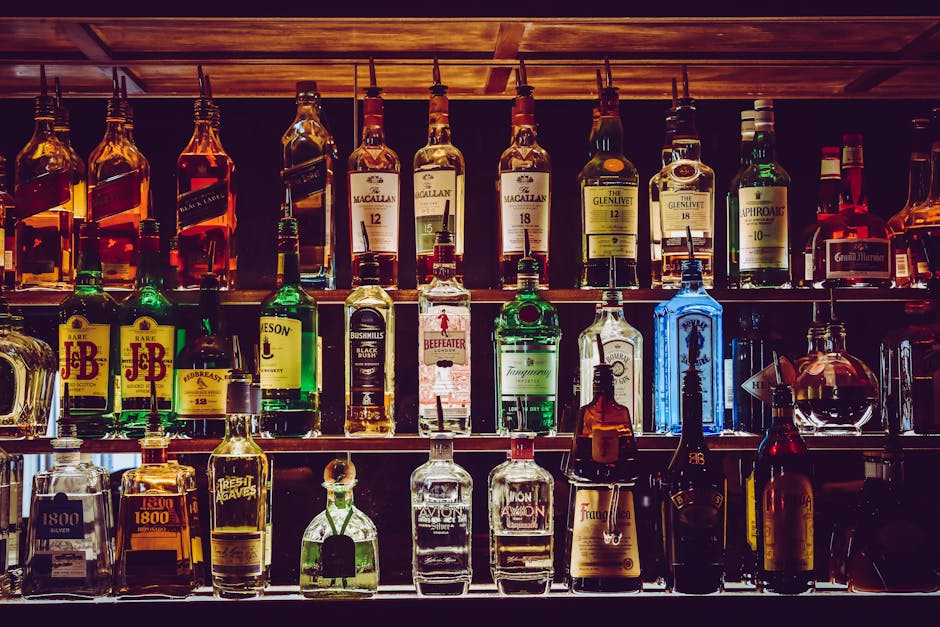
The journey of wine labels through history is as rich and varied as the wines they adorn. From simple hand-written notes to the intricate labels of today, wine labels have long served as a marker of quality and provenance. They mirror the cultural and technological shifts of their times, adapting to legal regulations and societal tastes. This historical voyage is not just about the changes in design or law but a reflection of wine’s enduring significance in human culture.
In the past, wine labels were primarily functional, carrying information about the wine’s origin, varietal, and sometimes the vintner. As the wine industry matured, so did the complexity and creativity of its labels, becoming a vital aspect of branding and marketing. The evolution from merely informative to artistically expressive labels reflects a deeper understanding of the consumer’s connection to wine, elevating the act of choosing a bottle into a sensory and intellectual experience.
How Modern Technology is Changing Wine Label Design
The advent of cutting-edge technology has ushered in a new era for wine label design. From augmented reality (AR) that brings labels to life to QR codes that offer a deeper dive into the wine’s story, technology enriches the consumer’s interaction with each bottle. These innovations extend beyond mere aesthetics, offering a portal to a multimedia experience that connects the drinker with the vineyard’s soil, climate, and philosophy, serving as a testament to the wine’s journey from grape to glass.
While some purists may question the need for such tech-driven embellishments, there’s no denying the appeal it has, especially among younger demographics. The ability to scan a wine label and instantly access pairing suggestions, detailed tasting notes, and even virtual tours of the vineyard represents a seamless integration of tradition and modernity, redefining what it means to ‘know’ a wine.
Sustainability and Ethical Considerations in Contemporary Wine Labels
Sustainability has become a rallying cry across industries, and the wine world is no exception. Wine labels now often reflect the winemaker’s commitment to sustainable practices, from organic farming to water conservation and beyond. Eco-friendly labels made from recycled materials or biodegradable substances communicate a message of environmental stewardship, aligning the values of the winemaker with those of the consumer.
The Role of Art and Culture in Wine Label Creation
Wine labels are a canvas for artistic expression, where the essence of the wine and its cultural heritage can be conveyed through design. Artists and designers collaborate with winemakers to capture the spirit of the wine, drawing inspiration from history, mythology, the landscape, and contemporary art. These mini-masterpieces invite the observer into a world where wine is not just a beverage but a work of art, embodying the soul of its region and the passion of its creators.
Consumer Influence: The Impact of Label Innovation on Wine Choice
In an increasingly crowded marketplace, the role of innovative wine labels in influencing consumer choice cannot be overstated. A unique label can distinguish a wine on the shelf, telling a compelling story that resonates with the consumer’s aspirations, lifestyle, and values. This connection can transform a simple act of purchasing into an experience of discovery and delight, making the label a powerful tool in the winemaker’s arsenal.
The influence of labels extends beyond the visual, impacting taste perceptions and expectations. Studies have shown that an appealing label can enhance the drinking experience, illustrating the profound connection between label design and enjoyment. In this way, innovations in wine labels not only capture attention but also enrich the sensory journey of wine appreciation.
A Toast to Innovation
As we’ve explored the dynamic landscape of wine labels, it’s clear that they are much more than just a piece of paper on a bottle. They are a bridge between the winemaker and the consumer, a blend of art, technology, sustainability, and consumer insight. In this age of innovation, wine labels continue to evolve, captivating us with their blend of tradition and modernity, reminding us that every bottle of wine holds not just a drink, but a story waiting to be told.

The Future of Packaging: Trends in Industrial Labels that Are Changing the Game
As the heartbeat of commerce, industrial labels carry the critical responsibility of communicating the essence of a product’s journey from manufacturer to end user. With technological advancements, sustainability concerns, and consumer expectations evolving at a rapid pace, the role and design of industrial labels are undergoing a revolution. Explore how these silent communicators are shaping the future of packaging and driving innovation across industries.
The Evolution of Industrial Labels in Packaging
The journey of industrial labels through the ages paints a vivid picture of innovation driven by both necessity and imagination. Initially serving as mere identifiers, labels have transformed into powerful tools for branding, safety, and compliance. This evolution reflects the shifting landscapes of market demands and regulatory frameworks, urging companies to think beyond the label—towards more integrated, intelligent solutions.
Today’s labels are a far cry from their humble beginnings. Enabled by cutting-edge printing technologies and innovative materials, they now offer durability against the harshest conditions while embodying the quintessence of the brand they represent. Such advancements not only enhance product lifespan but also open new avenues for creative expression.
Innovations in Material and Design for Sustainability
The push towards environmental sustainability is reshaping the industrial label industry, with manufacturers exploring biodegradable, recyclable, and renewable resources. This shift is a response to growing consumer awareness and stringent regulations that prioritize environmental stewardship. From sugarcane fibers to mushroom-based packaging, the quest for green alternatives is leading to revolutionary material innovations.
Design plays a pivotal role in this green transition, emphasizing minimalism and functionality without sacrificing aesthetic appeal. The emphasis on eco-friendly materials and processes is steering the conversation towards reducing the ecological footprint, encouraging brands to adopt a more thoughtful approach to label design and production.
Smart Labels: Integrating Technology into Packaging
Smart labels represent the bold frontier where technology meets traditional labeling, embedding digital interactivity into the user experience. Equipped with QR codes, NFC tags, or RFID technology, these labels go beyond aesthetics to offer enhanced product traceability, authenticity verification, and consumer engagement. This digital integration enables brands to forge a deeper connection with consumers, offering a treasure trove of information at their fingertips.
As smart labels become increasingly common, the potential for innovation skyrockets. Future applications could include real-time temperature monitoring for perishable goods, augmented reality experiences, or even dynamic content that changes based on consumer interaction, signifying a paradigm shift in how we think about packaging.
The Role of Industrial Labels in Branding and Consumer Experience
In the digital age, where consumer choices are influenced by online reviews and social media, labels carry the weight of brand identity. A well-designed label can narrate the brand’s story, values, and dedication to quality, making it an indispensable tool in the branding arsenal. This underscores the need for labels to be visually compelling, informative, and aligned with the brand’s overall aesthetic—transforming each packaged good into a brand ambassador in its own right.
Challenges and Solutions in Industrial Label Production
The road to innovation in industrial label production is fraught with challenges, from adhering to global regulations and standards to meeting the rising demand for customization and sustainability. For label manufacturers, this means constantly navigating the delicate balance between cost, efficiency, and environmental responsibility. Investing in advanced printing technologies, exploring new materials, and adopting lean manufacturing processes are key strategies to overcoming these hurdles—ensuring that labels not only meet the functional criteria but also resonate with the ethos of sustainability and personalization.
The Future Outlook: What’s Next for Industrial Labels
Looking ahead, the horizon for industrial labels is ablaze with possibilities, as advancements in materials science, digital technology, and ecological design converge. The focus will continue to shift towards labels that can enhance product life cycle assessment (LCA), offer greater interactivity, and achieve net-zero environmental impact. As we inch closer to this future, one thing becomes clear: industrial labels will continue to play a pivotal role in the evolution of packaging, mirroring society’s aspirations for a more connected, sustainable world.
Envisioning the Future of Packaging
In the landscape of tomorrow’s commerce, industrial labels stand as the linchpins of sustainability, technology integration, branding, and user engagement. As we’ve seen, the future of packaging is not just about the label’s physical design but its ability to connect, inform, and inspire. From sustainable materials to digital interactivity, the innovations in industrial labels are not just changing the game; they’re setting new standards for the integration of form, function, and eco-consciousness in packaging.

The Essential Guide to Choosing the Right Bakery Packaging for Your Products
In the world of bakeries, first impressions are not baked solely by the oven but are also carefully crafted through the presentation. Imagine the last time a beautifully packaged pastry caught your eye, tempting you with its delicate presentation even before you could savor its flavor. Bakery packaging plays an equally tantalizing role, weaving together the senses to create a full-bodied experience that starts at first glance. This guide offers the essential tips and trends to ensure your baked goods are dressed to impress, making the visual promise of quality and taste before the first bite.
Understanding the Importance of Bakery Packaging
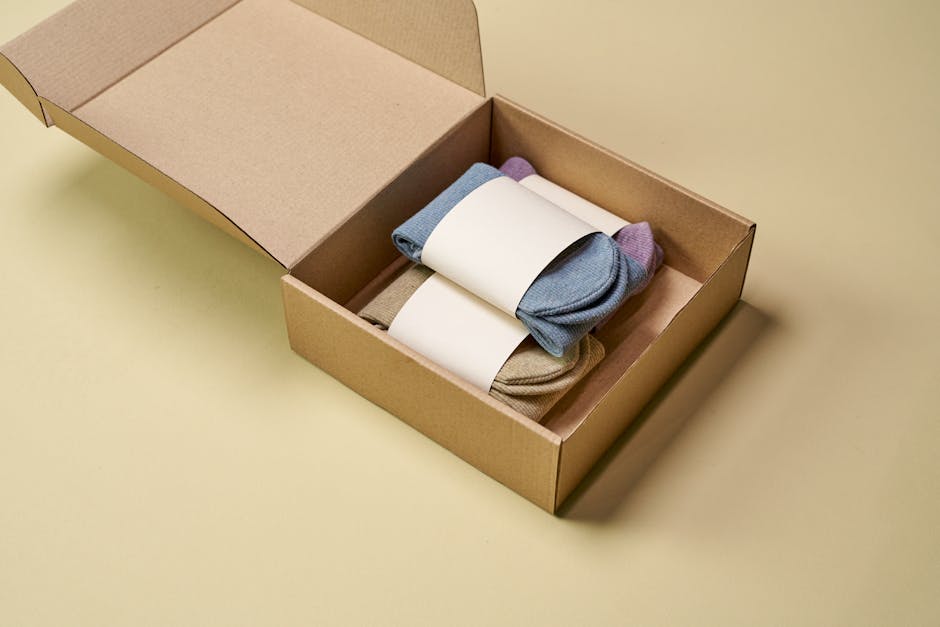
The journey of selecting the perfect bakery packaging begins with understanding its critical role in your product’s life cycle. Beyond the basic function of protecting your goods from contamination and damage, packaging serves as the initial point of communication with your customers. It reflects your brand’s aesthetics, values, and the quality of your products. With the increasing consumer interest in sustainability and health, packaging choices can also convey your commitment to these issues.
Furthermore, the right packaging can enhance the shelf life of your products, maintaining freshness and flavor. This aspect is crucial in reducing food waste and ensuring customer satisfaction.
Types of Bakery Packaging Materials
When delving into the world of bakery packaging materials, the choices are as varied as the baked goods themselves. Traditional options include plastic and cardboard, each offering their benefits from durability to ease of customization. Modern trends, however, are shifting towards more eco-friendly options like biodegradable plastics, bamboo, and recycled paper, which can help reduce the environmental impact of your packaging.
Designing Your Bakery Packaging for Maximum Appeal
The design of your bakery packaging should not only reflect your brand’s personality but also cater to the practical needs of your customers. Consider the ease of storage, transportation, and whether the packaging allows for a peek at the product inside. Complementing your quality products with visually appealing packaging can entice new customers and strengthen loyalty among existing ones.
Incorporating elements such as windows to showcase the product or using unique shapes can make your items stand out. Personalization, through custom prints or stickers, offers a memorable unboxing experience.
Sustainability in Bakery Packaging: Trends and Tips
The shift towards sustainable practices in bakery packaging is not just a trend but a growing expectation among consumers. Using materials that are recyclable, compostable, or made from renewable resources can significantly lessen your brand’s carbon footprint. Additionally, communicating your sustainability efforts on your packaging can further engage eco-conscious customers.
Implementing a minimalistic design approach not only meets the demands for environmental friendliness but also aligns with modern aesthetic preferences.
Cost-Effective Strategies for Custom Bakery Packaging
Customizing your bakery packaging doesn’t have to break the bank. Starting with small custom details like stickers or stamps can add a personal touch without a large upfront cost. Buying in bulk and choosing local suppliers can also reduce costs. Additionally, opting for packaging that can be easily updated with labels or sleeves allows for flexibility and cost-effectiveness as your product range evolves.
Navigating Regulations and Food Safety Standards for Bakery Packaging
Ensuring your bakery packaging complies with local food safety and packaging regulations is paramount. This includes selecting materials that are safe for direct food contact and understanding the labeling requirements for your products. Staying informed about these regulations can protect your business from costly penalties and safeguard the health of your customers.
Leveraging Branding Through Bakery Packaging
Your bakery’s packaging is a powerful tool for building your brand identity. Consistency in colors, logos, and design themes across all packaging elements can reinforce brand recognition. Engaging storytelling, through packaging, can connect customers to the origins and values of your brand, creating a deeper loyalty.
Choosing the Right Supplier for Your Bakery Packaging Needs
Partnering with the right supplier is crucial for achieving your packaging goals. Look for suppliers who offer a wide range of materials and customization options and who understand the bakery industry’s unique needs. Assessing their sustainability practices, reliability in delivery, and quality assurance processes are also essential factors in selecting a packaging supplier.
Wrapping Up Your Bakery’s Best
Crafting the perfect bakery experience extends far beyond the oven and into the embrace of the right packaging. Whether it’s through eco-friendly materials that speak to the sustainability of your brand or innovative designs that set you apart, the packaging is your silent salesman. In a world where the bakery shelves are crowded with competition, let your products shine through their bakery packaging. Remember, it’s not just about preserving the freshness of your treats; it’s about crafting an unforgettable brand experience that begins at first glance.