

Blog

Which Materials Work Best for Durable Beer Labels?
When it comes to creating beer labels, choosing the right material is crucial for ensuring they are long-lasting and visually appealing. This FAQ blog will explore the best materials for durable beer labels, making it easier for you to make an informed choice.
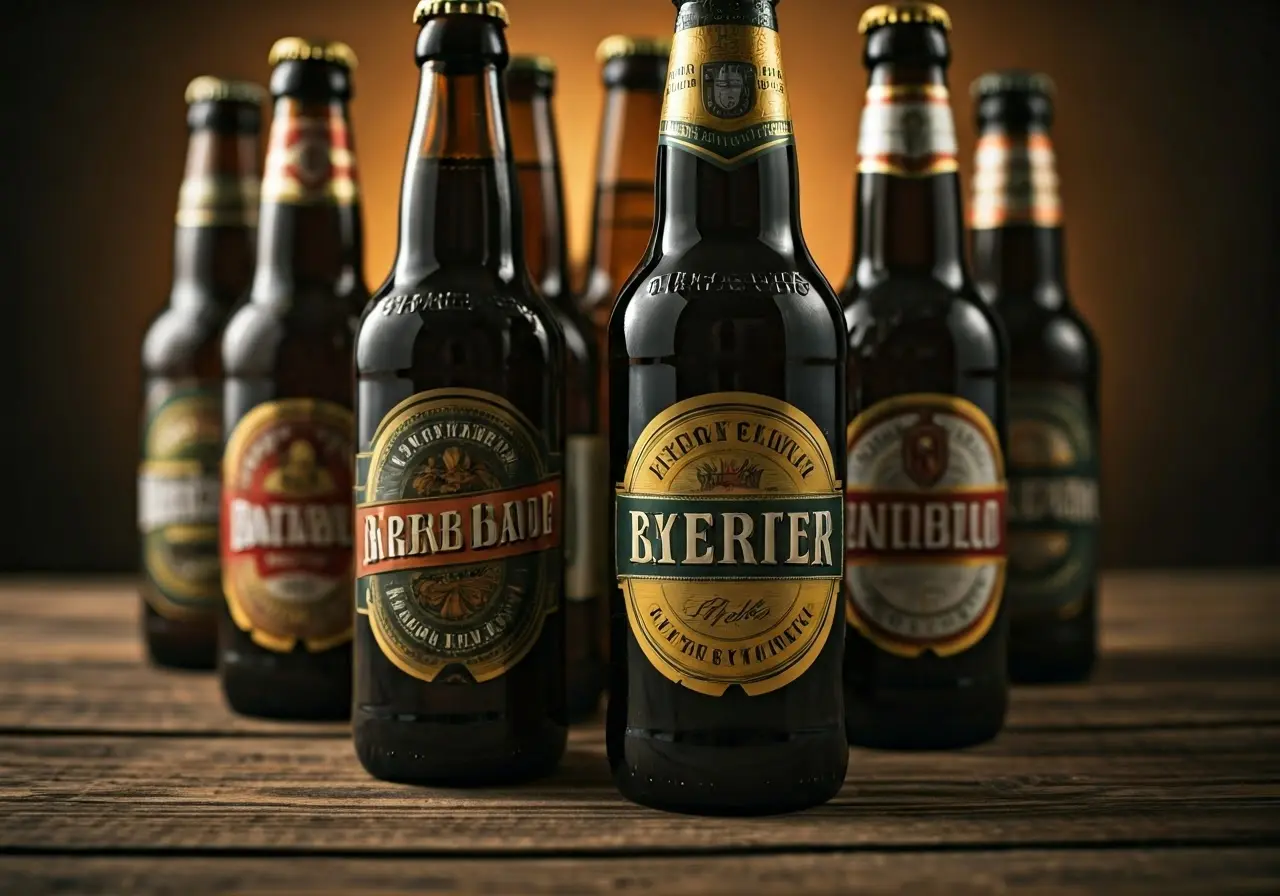
Why Material Choice Matters for Beer Labels
The material of your beer label impacts its durability, appearance, and the overall impression your product makes. A sturdy label can withstand various conditions such as moisture, temperature changes, and handling.
Imagine picking up a beer with a torn, discolored label. Wouldn’t that make you think twice about the quality of the product inside? A high-quality label reflects the attention to detail that goes into brewing your beer. It’s not just about aesthetics; it’s about preserving your brand’s reputation.
In the competitive beer market, the smallest details can make a big difference. From the moment a customer sees your bottle on the shelf to when they pull it out of the fridge at home, your label plays a crucial role. The right material ensures your label looks good from start to finish, leaving a lasting impression.
Popular Materials for Beer Labels
Several materials are commonly used for beer labels, each with unique properties. Here are the most popular ones:
Choosing the right material can depend on various factors, including where your beer will be sold and how it will be stored. Let’s look at the following options:
- Paper Labels: Traditional and cost-effective, perfect for short-term use.
- Synthetic Labels: Durable and moisture-resistant, great for long-lasting applications.
- Metallic Labels: Adds a premium look, ideal for special editions.
- Waterproof Labels: Must-have for products that will be exposed to wet conditions.
Paper Labels: Pros and Cons
Paper labels are cost-effective and offer high-quality print. However, they may not be the best option for wet or humid environments as they can tear or wrinkle.
A key advantage of paper labels is their versatility. From matte to glossy finishes, the printing options are virtually endless. This material is great for creating vibrant and attractive designs that pop on the shelf. But remember, paper labels lack durability when exposed to moisture.
Paper labels are relatively easy to apply and remove, which can be beneficial if you plan to switch your designs frequently. Nonetheless, if your product will be placed in a cooler or an environment where condensation is likely, you might want to reconsider. The label could deteriorate, tainting your brand image.
These labels are environmentally friendly if sourced responsibly, aligning well with brands that emphasize sustainability. However, the trade-off comes with their susceptibility to wear and tear. Weighing these pros and cons can guide you in making an informed decision.
Synthetic Labels: Durability and Flexibility
Synthetic labels, made of materials like polypropylene or polyethylene, are much more durable than paper. They resist tearing and moisture, making them an excellent choice for beer labels that need to last.
One of the standout features of synthetic labels is their flexibility. Not only can they withstand the rigors of different storage conditions, but they also adapt well to various surface types. Whether your beer is bottled in glass or aluminum cans, synthetic labels deliver a consistent performance.
While synthetic labels are generally more expensive than paper, their durability often justifies the higher cost in the long run. These labels don’t just withstand moisture—they can endure a range of environmental stressors, including UV exposure and cold storage, without compromising their appearance.
Synthetic labels are also a good option for brands that frequently need to apply and remove them, as these labels often come with strong adhesive properties that don’t leave a residue behind. This makes them ideal for promotional campaigns and limited edition releases.
Metallic Labels: Adding a Premium Touch
Metallic labels provide a shiny, eye-catching finish. They can withstand moisture and look premium, but they are typically more expensive than other options.
Using metallic labels can give your beer a luxurious appeal that stands out in a crowded market. The reflective surface not only catches the eye but also conveys a sense of sophistication and quality. If you’re looking to make a statement, metallic labels are a compelling choice.
However, the premium look of metallic labels comes with a higher price tag. This is important to consider, especially for small breweries operating on a tight budget. Despite the cost, the investment might be worth it for special editions or flagship products aimed at making a memorable impression.
Beyond aesthetics, metallic labels also boast practical benefits. Their durability and resistance to moisture make them suitable for a variety of conditions. This makes them a versatile choice, offering both style and substance.
Waterproof Labels: Ideal for Wet Conditions
Waterproof labels are specifically designed to resist water and other liquids. These are perfect for beer bottles that will be submerged in ice or chilled in coolers.
If your beer is likely to find itself in wet environments—think picnics, parties, and outdoor events—waterproof labels are indispensable. Crafted from durable materials that repel water, these labels ensure your brand remains intact and legible even when exposed to moisture.
Waterproof labels are also a great option for beers with unique packaging shapes. The strong adhesive ensures that the label stays in place, providing a consistent brand experience for your customers. Plus, they often have a protective coating that keeps the design vibrant and clear, no matter how damp the conditions get.
While waterproof labels are more specialized and might come at a higher cost, their benefits far outweigh the expense, especially if your beer is meant for outdoor enjoyment. They’re the go-to choice for ensuring your label remains presentable and professional in any weather.
Factors to Consider When Selecting Label Materials
Consider the environment in which your beer will be stored and consumed, budget constraints, and the desired appearance of your label. These factors will help you choose the most suitable material.
Think about where your beer will be sold. If it’s headed to high-end bars or specialty stores, investing in premium materials like metallic labels could enhance its appeal. On the other hand, for local markets and casual settings, cost-effective paper labels might be more practical.
Additionally, always factor in your budget. Materials like synthetic and metallic labels come at a higher cost, but their durability can translate into long-term savings. The initial investment could end up being more economical if it means fewer replacements due to wear and tear.
Finally, don’t underestimate the visual impact of your label. The right material can elevate your design and make your product visually striking. It’s worthwhile to spend some time exploring different textures and finishes to find what best represents your brand.
Working with a Label Provider
Consulting with a professional label provider can help you navigate your options and find the best material that meets your needs. They can offer samples and advice on what works best for your specific requirements.
A good label provider doesn’t just supply materials—they offer expertise. By sharing your product’s intended use and storage conditions, you can receive tailored recommendations that balance cost, durability, and aesthetics. These professionals can help you avoid common pitfalls and make the most informed decision.
Don’t hesitate to ask for samples. Seeing and feeling the materials firsthand can provide valuable insights that can’t be gleaned from descriptions alone. This tactile experience can be crucial in determining the best fit for your brand.
Also, collaborating with a label provider can be a great way to keep up with industry trends. They can introduce you to innovative materials and techniques that might give your beer label an edge in the market. Always be open to learning and exploring new possibilities.
Final Thoughts
Choosing the right material for your beer labels can make a significant difference in their durability and appearance. Whether you opt for paper, synthetic, metallic, or waterproof labels, considering the environment and handling conditions your beer will face is essential. Make sure to consult with your label provider to find the best option that meets your specific requirements.

Can Luxury Packaging Be Sustainable and Eco-friendly?
Luxury packaging often conjures images of opulence and extravagance, but in today’s world, there’s a growing concern about sustainability. Can these two seemingly contradictory concepts—luxury and eco-friendliness—coexist? In this blog, we’ll explore if and how luxury packaging can align with sustainable practices, addressing common questions and providing insights into making more eco-conscious choices.

What Defines Luxury Packaging?
Luxury packaging is characterized by high-quality materials, exquisite design, and a sense of exclusivity. It aims to provide an enhanced, memorable experience for the consumer.
This type of packaging often involves intricate designs, high-end finishes, and materials that exude sophistication. When you think of luxury packaging, it’s not just about the product inside but the whole unboxing experience.
From glossy boxes to satin ribbons, the elements used in luxury packaging are chosen to evoke feelings of premium quality and uniqueness. It’s a way for brands to distinguish themselves and make a lasting impression.
But can such luxurious experiences be created without compromising the environment? That’s the pressing question that many brands are grappling with today.
Is Sustainable Luxury Packaging Possible?
Yes, sustainable luxury packaging is possible through thoughtful design and material choices that prioritize environmental responsibility without compromising on aesthetics.
For instance, brands can opt for materials that are both luxurious and sustainable, such as recycled paper with a premium finish or biodegradable plastics that still provide the desired look and feel.
The key is to strike a balance, ensuring that the packaging remains aesthetically pleasing while also being mindful of its environmental impact. Brands need to innovate and rethink traditional designs to incorporate eco-friendly solutions.
Moreover, sustainability can become a part of the brand’s story, enhancing its overall appeal to a growing base of eco-conscious consumers. This holistic approach can make luxury and sustainability go hand in hand.
What Materials Are Used in Eco-friendly Luxury Packaging?
Eco-friendly luxury packaging often utilizes materials such as recycled paper, biodegradable plastics, sustainable wood, and organic fabrics that have lower environmental impact.
Recycled paper can be processed to have a high-end texture and finish, making it suitable for luxury branding. Similarly, sustainable wood can be used for boxes or accents that add a premium touch.
In addition, advancements in biodegradable plastics mean it’s now possible to create clear, durable packaging that can break down without harming the environment. Organic fabrics, like cotton or hemp, are also emerging as stylish and eco-friendly packaging options.
These materials not only reduce the carbon footprint but also offer a story of sustainability that consumers increasingly value. It’s about making smart choices that align with both luxury and sustainability.
How Can Waste Be Minimized in Luxury Packaging?
Minimizing waste can be achieved through innovative design strategies such as reducing excess packaging, using multifunctional packaging, and opting for materials that are easily recyclable.
For example, creating modular packaging that can be reused for different purposes helps reduce waste. A box designed to be repurposed as a storage container or decorative item adds value beyond its initial use.
Moreover, precision in design ensures that only the necessary amount of material is used, avoiding excess. Brands can also explore digital printing technologies that reduce waste and use less ink and energy.
It’s about thinking creatively to find ways to cut down on waste without sacrificing the luxury experience. Every small step can lead to significant environmental benefits over time.
The Role of Sustainable Production Processes
Employing sustainable production processes, like energy-efficient manufacturing and ethical labor practices, further enhances the eco-friendliness of luxury packaging.
Energy-efficient manufacturing involves using renewable energy sources, such as solar or wind power, to produce packaging. This reduces the carbon footprint associated with production.
Ethical labor practices ensure that workers are treated fairly, and production facilities adhere to environmental regulations. This holistic approach to sustainability covers not just the materials but the entire lifecycle of the packaging.
By committing to sustainable production practices, brands can further align their luxury packaging efforts with broader environmental and social responsibility goals.
Recycling and Upcycling in Luxury Packaging
Recycling and upcycling play crucial roles in extending the lifecycle of packaging materials, reducing waste, and promoting a circular economy. Brands can encourage consumers to reuse or recycle their packaging.
For instance, a luxury brand might design packaging that can be easily disassembled and recycled or provide instructions for consumers on how to repurpose the packaging creatively.
Partnerships with recycling programs or the use of easily recyclable materials can also promote sustainable practices. This not only minimizes waste but can also create a positive brand image among eco-conscious consumers.
Additionally, incentives like discounts or rewards for returning used packaging can motivate consumers to participate in recycling initiatives, fostering a culture of sustainability.
Consumer Perception and Demand for Sustainable Luxury
Today’s consumers are increasingly eco-conscious and prefer brands that demonstrate a commitment to sustainability. Sustainable luxury packaging can enhance brand reputation and attract a broader audience.
Consumers appreciate transparency and are more likely to support brands that share detailed information about their sustainability efforts. This shows a genuine commitment rather than just a marketing gimmick.
Moreover, sustainable practices can be a point of differentiation in a crowded market. Brands that prioritize eco-friendly packaging can tap into the growing demand for products that are both luxurious and sustainable.
By listening to consumer preferences and being proactive about sustainability, luxury brands can build stronger, more loyal relationships with their customers. This can translate into long-term success and a more sustainable future.
Conclusion
While luxury and sustainability may seem like opposing concepts, they’re not mutually exclusive. By choosing eco-friendly materials, reducing waste, adopting sustainable production processes, and leveraging the power of recycling and upcycling, luxury packaging can indeed be sustainable. Embracing these practices not only benefits the environment but also enhances brand reputation and meets the demands of conscious consumers.

Why High-Quality Condiment Labels Are a Must for Your Packaging Strategy
In today’s competitive market, the packaging of your products can make or break a sale. Amongst all the components of packaging, labels play a crucial role. Especially in the food industry, where condiment labels do more than just inform; they attract, reassure, and even narrate your brand story. In this blog, we’ll explore why high-quality condiment labels are essential and how they can elevate your packaging strategy.

The Importance of First Impressions
First impressions matter, especially when it comes to product packaging. A high-quality label can catch a shopper’s eye and make your product stand out on crowded shelves. It can make the difference between a sale and a missed opportunity.
Imagine walking down the condiment aisle of your favorite supermarket. With dozens of options vying for your attention, what’s the first thing that pulls you toward a particular product? More often than not, it’s the label. A well-crafted, high-quality condiment label can instantly attract a potential customer, setting the stage for their purchasing decision. This initial attraction isn’t just about aesthetics; it’s also about building a sense of trust and intrigue regarding the product inside.
However, capturing attention is just the first step. A high-quality label also needs to convey a sense of professionalism and reliability. Think about it – if a label looks cheap or hastily put together, consumers might question the quality of the product itself. On the other hand, a well-designed label can suggest that a lot of care and effort has gone into making the product, which can be incredibly persuasive in the decision-making process.
Conveying Crucial Information
A well-designed condiment label should clearly display essential information like ingredients, nutritional facts, and usage instructions. High-quality printing ensures that all this information is easy to read and accurate, helping you comply with regulations and build consumer trust.
Beyond aesthetics, the functionality of a condiment label is paramount. Consumers today are more health-conscious and informed than ever before. They want to know exactly what they’re consuming, from the ingredients used to the nutritional value. A high-quality label ensures that this crucial information is presented in a clear, legible manner. There’s no room for smudged ink or tiny, unreadable fonts here – clarity is key.
Moreover, accurate labeling is not just a matter of consumer preference but also a legal requirement. Failing to provide comprehensive and correct information can result in hefty fines and damage to your brand’s reputation. On the flip side, well-printed labels that meet regulatory standards can enhance your brand’s credibility and assure customers that they are making a safe choice.
Building Brand Identity
Your condiment label is an extension of your brand. It should reflect your brand’s colors, fonts, and overall aesthetic. High-quality labels that are consistent with your branding efforts can help build brand recognition and loyalty.
When it comes to building a strong brand identity, consistency is everything. Your condiment labels should seamlessly align with your brand’s overall look and feel. This means using the same color schemes, typography, and design elements that are present across all your marketing materials. Consistency instills a sense of familiarity and trust among your customers, making it easier for them to recognize your products on the shelves.
Consider your brand’s story and values – these should be echoed in your label design. Whether you’re a family-owned business with a legacy of quality or a modern, eco-friendly brand, your labels are an opportunity to communicate these attributes. High-quality labels that effectively convey your brand’s narrative can significantly enhance customer loyalty and set you apart from competitors.
Durability and Practicality
Condiment labels need to withstand various conditions, including exposure to moisture, oils, and varying temperatures. High-quality materials and printing techniques ensure that your labels remain intact and legible throughout the product’s lifespan.
Imagine a label that starts to peel off the bottle or becomes unreadable after being exposed to kitchen conditions. This is not only an inconvenience but can also lead to a negative perception of your product’s quality. High-quality condiment labels are designed to endure real-world usage, maintaining their appearance and legibility no matter what challenges they face. This durability speaks volumes about the reliability of your brand.
Additionally, practical considerations such as the adhesive’s quality and the material’s resiliency are crucial. High-quality materials ensure that the labels won’t easily tear or fade, providing a long-lasting solution that keeps your products looking their best from the production line to the customer’s pantry. Investing in durable label materials thus becomes an investment in maintaining brand integrity.
Enhancing Visual Appeal
A visually appealing label not only attracts customers but also enhances the overall look of your product. High-resolution images, vibrant colors, and elegant designs can make your condiment labels captivating and memorable.
Think of your label as a canvas – it’s a space where your creativity can really shine and set your product apart. High-resolution images pop and catch the eye, while vibrant colors create a lively and appealing aesthetic. In a sea of similar products, an elegant and thoughtfully designed label can be the key to making a lasting impression. This visual appeal not only grabs the attention of consumers but also communicates a sense of quality and care.
Furthermore, incorporating unique design elements such as textures, foil stamping, or embossing can add an extra layer of sophistication to your labels. These tactile elements invite consumers to engage with your product on a sensory level, making the experience of choosing your product all the more memorable. High-quality printing techniques ensure that these elements are executed flawlessly, resulting in labels that are not only visually stunning but also impactful.
Cost-Effectiveness in the Long Run
While high-quality labels may have a higher upfront cost, they can prove to be cost-effective in the long run. Durable labels reduce the need for frequent replacements, and their ability to effectively market your product can lead to higher sales volumes.
It might be tempting to cut corners on labeling costs, especially if you’re operating on a tight budget. However, investing in high-quality labels can provide significant returns over time. Durable labels that stand up to wear and tear mean less frequent replacements, translating to lower costs in the long run. Additionally, the enhanced consumer perception and potential increase in sales volumes far outweigh the initial investment.
Moreover, high-quality labels contribute to efficient inventory management. Labels that stay intact and legible throughout the product’s lifecycle reduce issues related to mislabeling or mishandling. This ensures smooth operations both for your team and your retail partners, ultimately saving time and resources.
Make Your Condiment Labels Work for You
Investing in high-quality condiment labels is more than just a design choice; it’s a smart business decision. From grabbing customer attention to conveying crucial information and establishing your brand, the benefits are extensive. So, ensure that your labels are not just informative but also attractive and durable. In a world where first impressions matter, make sure your condiment labels help your product stand out.

10 Ways Smart Snack Packaging Can Boost Your Product’s Appeal
In today’s competitive market, the way your snack is packaged can make a huge difference in attracting customers. Smart snack packaging does more than just keep the product fresh; it plays a crucial role in marketing and can significantly boost your product’s appeal. In this blog, we’ll explore how innovative packaging solutions can set your snacks apart and help your brand succeed.
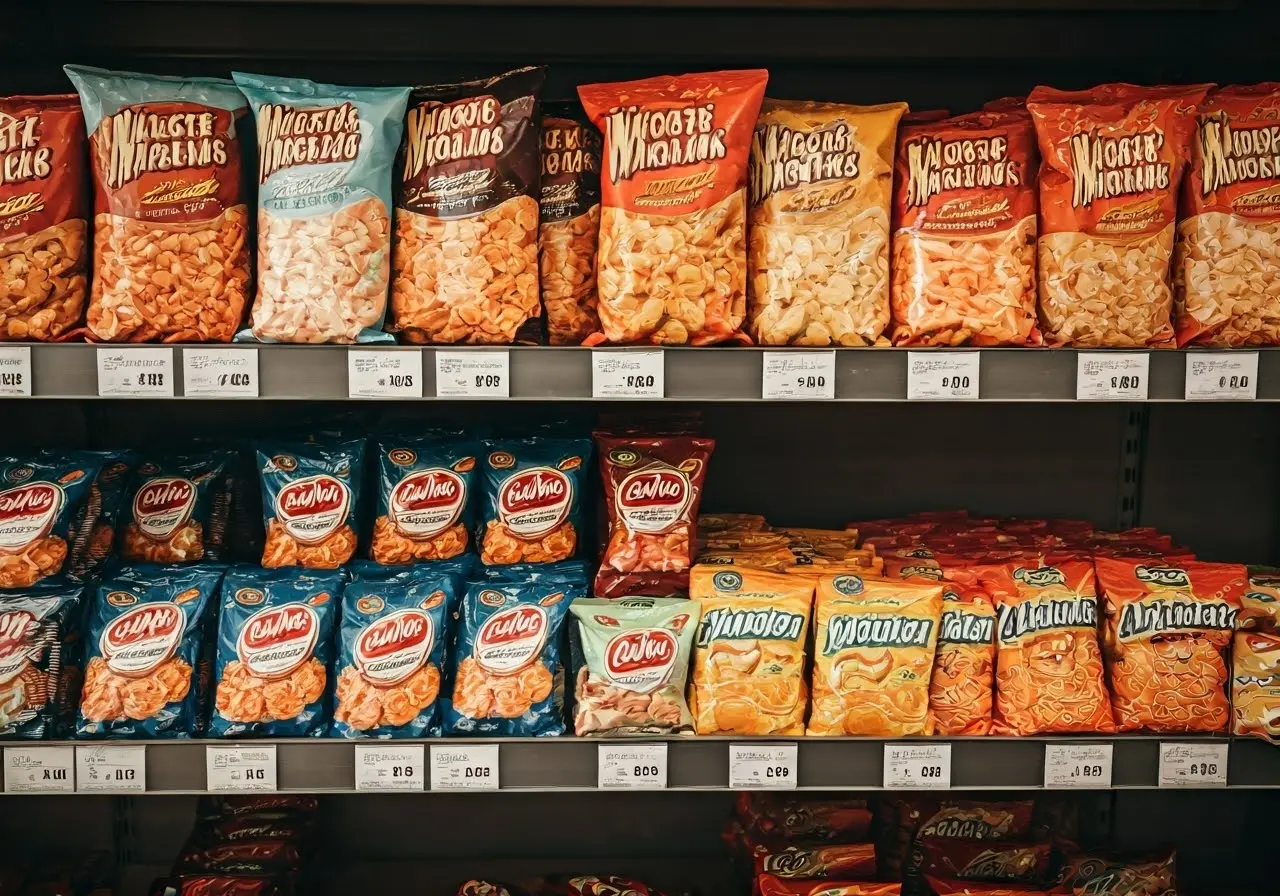
1. Eye-Catching Design
An attractive and unique design can grab the attention of potential customers. Utilize bold colors, interesting shapes, and compelling graphics to make your packaging stand out.
The first thing a customer notices about a product is its packaging. When it comes to snacks, this initial visual impact can be the difference between a sale and a missed opportunity. By incorporating vibrant colors and unusual shapes, you make your product irresistible at first glance. Think about the last time you were drawn to a snack simply because it looked appealing on the shelf. Great design goes a long way in making that critical first impression.
Moreover, the design should also reflect the essence of the snack inside. For example, if your product is a healthy snack, you might want to use earthy colors and natural imagery. If it’s a fun treat for kids, bright, playful designs with characters can be highly effective. The key is to make sure that your packaging design is not only attention-grabbing but also relevant to your target audience.
2. Clear Branding
Your packaging should convey your brand’s identity clearly. Consistent logos, fonts, and colors across all products help build brand recognition and loyalty.
Brand consistency is crucial for creating a strong identity in the market. When customers see the same logos, fonts, and color schemes across various products, it builds familiarity. This consistency fosters a sense of loyalty, making it easier for consumers to trust your brand. A clear and consistent branding strategy across all your snack packaging makes your products unmistakable on the shelves, ensuring customers keep coming back.
Besides visual elements, your brand’s voice should also come through in the packaging. Whether it’s a quirky tagline or concise descriptions of your product benefits, your brand’s personality should be evident. This not only helps in differentiating your product but also creates an emotional connection with your audience. In a crowded market, clear and consistent branding on your snack packaging can be the secret sauce that makes all the difference.
3. Informative Labels
Providing necessary information such as nutritional content, ingredients, and allergen warnings in an easy-to-read format builds trust with consumers.
In today’s health-conscious world, consumers are more interested than ever in what they’re eating. Providing detailed nutritional information helps customers make informed decisions and builds trust. Clear, easy-to-read labels can set your snack apart by showing that you have nothing to hide.
Informative labels are especially important for those with dietary restrictions or allergies. When you clearly list ingredients and potential allergens, you’re not just complying with regulations but also showing that you care about your customers’ well-being. This attention to detail can make a big impression and prove that your snack brand is reliable and trustworthy.
4. Convenient Features
Incorporating features like resealable tops, easy-open tabs, or single-serving sizes can improve the customer’s experience and add value to your product.
Convenience is king when it comes to snack packaging. Features like resealable tops keep snacks fresh for longer, making your product more appealing to those who snack throughout the day. Easy-open tabs eliminate the frustration of struggling to open a package, thus enhancing the overall user experience. Additionally, single-serving sizes cater to the on-the-go lifestyle that many people lead today.
5. Sustainability
Eco-friendly packaging materials can attract environmentally conscious consumers. Highlighting your commitment to sustainability can be a strong selling point.
Sustainability is not just a buzzword; it’s a movement. Consumers are increasingly leaning towards brands that make a genuine effort to reduce their environmental footprint. Using recyclable or biodegradable materials in your snack packaging can not only appeal to this growing demographic but also position your brand as a responsible choice. Highlighting this commitment on your packaging can convert eco-conscious consumers into loyal customers.
Even the smallest steps towards sustainability can make a significant impact. Simple practices like using less plastic or promoting recycling on the packaging can resonate well with your audience. Next time a customer picks up your eco-friendly snack, they won’t just be enjoying it, they’ll feel good about their purchase too. This positive perception can translate into repeat business and positive word-of-mouth.
6. Transparency
Clear or window packaging allows customers to see the product before purchasing, enhancing trust and influencing purchasing decisions.
Transparency can be both literal and metaphorical when it comes to snack packaging. Clear windows on your packaging that allow consumers to see the actual product can alleviate concerns and instill confidence. When customers can see the quality and quantity before they buy, it minimizes the risk factor and makes them more likely to complete the purchase. It’s a straightforward yet powerful way to build trust with your audience.
7. Functional Design
Packaging that is easy to handle, store, and transport can significantly impact the customer’s convenience and satisfaction.
Functionality shouldn’t be underestimated. If your packaging is easy to handle, store, and transport, it will undoubtedly enhance customer satisfaction. This is particularly important for snacks, often consumed on the go. Whether it’s a sturdy box that won’t crush in a backpack, or a shape that’s easy to stack in a pantry, functional packaging design makes enjoying your snacks fuss-free. Keep these practical nuances in mind when designing, and you’ll create a seamless experience that customers will appreciate.
8. Storytelling
Use your packaging to tell a story about your brand. Whether it’s the history of your company or the journey of the snack from farm to table, storytelling can create an emotional connection with consumers.
Everyone loves a good story, and your snack packaging can be the perfect canvas to share yours. Storytelling adds a layer of depth to your brand and can make it stand out in a sea of generic packaging. Perhaps it’s the story of how your company started, or maybe it’s the journey of the ingredients from farm to table. Whatever the narrative, make it engaging. Well-crafted storytelling can create an emotional connection, making your product more memorable to consumers.
9. Versatility
Versatile packaging that suits various consumer needs, such as different portion sizes and multipacks, can appeal to a broader audience.
Versatility in packaging means catering to diverse consumer needs without compromising on convenience. Offering multiple portion sizes can appeal to different segments of your target market, from single individuals to families. Multipacks can be a great solution for those who like to buy in bulk, while smaller, single-serving packs cater to those looking for grab-and-go options. This adaptability not only makes your product more accessible but also ensures that you’re catering to a wide range of customer preferences.
Think about how versatile packaging can also minimize waste. By offering appropriately sized options, you can help reduce the amount of food that gets thrown away, adding another layer of appeal to your brand. Flexibility in packaging not only enhances customer satisfaction but also promotes a more sustainable way of enjoying snacks.
10. Interactive Elements
Including QR codes or augmented reality features can engage tech-savvy customers and provide an interactive experience.
Incorporating technology into your snack packaging can open up new avenues for engagement. Simple additions like QR codes can direct consumers to your website for more information, recipes, or even promotional offers. For a more immersive experience, consider augmented reality elements that bring your packaging to life. Engaging tech-savvy customers in this way not only impresses them but also encourages them to interact with your brand long after the initial purchase.

The Evolution of Snack Packaging: Trends and Predictions
Snack packaging has come a long way over the years. From simple wrappers to intricate designs, the way snacks are packaged has evolved significantly. In today’s blog, we’ll explore the latest trends in snack packaging and make some predictions for where this fascinating industry might be headed next.
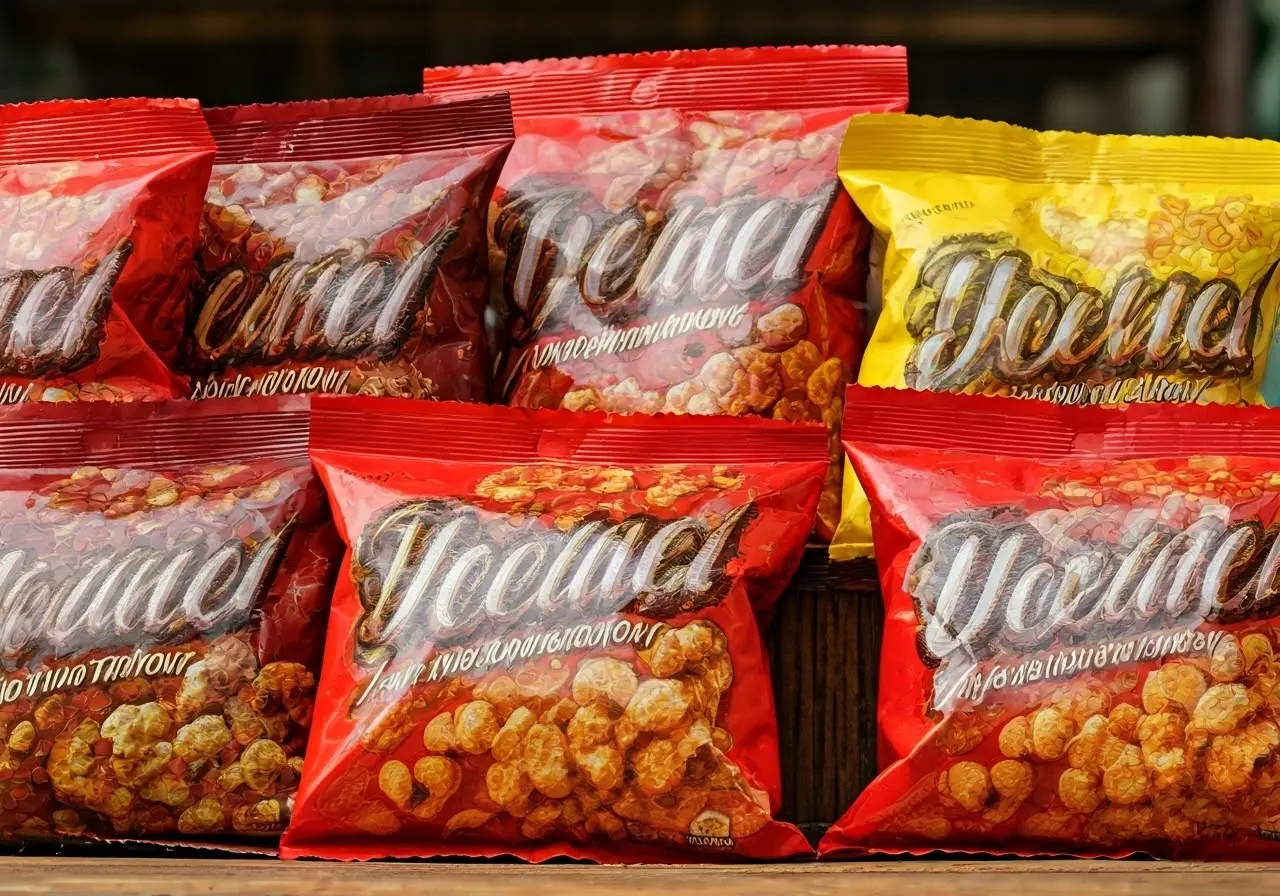
A Brief History of Snack Packaging
Snack packaging has a rich history that dates back centuries. Initially, snack foods were sold in bulk and wrapped in simple materials like paper or cloth. Over time, the need for better preservation and hygiene led to the development of more sophisticated packaging solutions.
As the 20th century dawned, we saw a significant shift toward more advanced packaging methods. The introduction of plastic in the mid-20th century brought a revolution in packaging. Plastic was light, durable, and customizable, making it an ideal choice for snack packaging. It allowed companies to innovate with shapes, colors, and branding like never before.
The late 20th and early 21st centuries ushered in another wave of change with the rise of vacuum sealing and modified atmosphere packaging (MAP). These techniques substantially increased the shelf life of snacks by limiting exposure to oxygen and moisture. It was during this time that single-serve and portion-controlled packaging started gaining popularity, catering to the fast-paced lifestyle of modern consumers.
Looking back, it’s incredible to see how far snack packaging has come. From humble beginnings with basic materials to the innovative solutions we have today, the journey of snack packaging reflects broader technological advancements and changing consumer needs. As we delve into current trends and future predictions, it’s essential to appreciate this historical context.
Current Trends in Snack Packaging
Today’s snack packaging is designed to be convenient, attractive, and eco-friendly. Current trends include the use of sustainable materials, resealable designs, and transparent packaging that allows consumers to see the product inside. Personalization and limited-edition packaging also play a significant role in attracting customers.
Sustainability is perhaps the most significant trend in contemporary snack packaging. Consumers are increasingly aware of environmental issues and are looking for products with minimal environmental impact. This has led companies to adopt biodegradable and recyclable packaging materials. For instance, plant-based plastics and compostable films are becoming more common, allowing consumers to enjoy their favorite snacks without the guilt of contributing to plastic waste.
Another notable trend is the rise of smart packaging. Integrating technology like QR codes and augmented reality features into packaging offers an interactive experience. These technologies provide consumers with detailed product information, traceability, and even entertainment, enhancing the overall user experience.
Aesthetic appeal remains a crucial factor in snack packaging. Companies are investing in eye-catching designs, vibrant colors, and unique shapes to capture consumers’ attention on crowded store shelves. Limited-edition designs and collaborations with artists or influencers are also popular, creating a sense of exclusivity and urgency.
Convenience is another driving force behind current packaging trends. Resealable options, easy-to-open features, and single-serve portions cater to busy, on-the-go lifestyles. These designs not only enhance usability but also help in portion control, which is a growing concern among health-conscious consumers.
The Impact of Technology on Snack Packaging
Technology has revolutionized snack packaging in many ways. Innovations such as smart packaging, which includes QR codes and embedded sensors, enhance the consumer experience by providing additional information and ensuring product safety. Automation in packaging processes has also improved efficiency and reduced costs.
Smart packaging is an exciting frontier, offering possibilities that were once relegated to science fiction. Imagine a package that changes color to indicate if the contents are still fresh, or a QR code that, when scanned, tells you everything about the product from its origin to nutritional information. These features not only add value for the consumer but also build trust and transparency.
Automation has also made its mark on the snack packaging industry. The use of robotic systems and automated machinery has streamlined production processes, reducing human error and increasing speed and precision. These advancements have allowed companies to produce more complex and diverse packaging designs while keeping costs manageable.
Moreover, 3D printing technology is starting to make waves in snack packaging. This cutting-edge technology enables rapid prototyping of new designs and concepts, allowing companies to quickly test and refine their packaging options. It also opens the door for highly customized and limited-edition packaging runs, catering to niche markets and special events.
In essence, technology continues to push the boundaries of what’s possible in snack packaging, making it more interactive, efficient, and consumer-friendly. As we look ahead, it’s clear that technological advancements will play a pivotal role in shaping the future of this industry.
Sustainability in Snack Packaging
As consumers become more environmentally conscious, the demand for sustainable packaging options has grown. Companies are increasingly using biodegradable and recyclable materials to reduce their environmental footprint. Efforts to minimize packaging waste and create compostable options are also gaining traction.
Many companies are now prioritizing a circular economy approach in their packaging strategies. This involves creating packaging that can be reused, recycled, or composted, thereby reducing waste and conserving resources. For example, brands are experimenting with refillable containers and bulk purchasing options to cut down on single-use plastics.
Consumer education is another critical component of sustainability initiatives. Clear labeling and information about how to properly dispose of packaging materials empower consumers to make environmentally friendly choices. Brands are also engaging in campaigns and partnerships that promote recycling and sustainability, fostering a culture of environmental responsibility.
There’s also a growing trend toward using locally sourced and sustainable materials in packaging. This not only supports local economies but also reduces the carbon footprint associated with transportation. Similarly, life cycle assessments (LCAs) are being conducted to evaluate the environmental impact of packaging from production to disposal, ensuring that every step is optimized for sustainability.
As the push for sustainability continues, it’s encouraging to see how innovation and consumer demand are driving positive changes in snack packaging. Companies that embrace these practices are not only contributing to a healthier planet but also building trust and loyalty among increasingly eco-conscious consumers.
Predictions for the Future of Snack Packaging
Looking ahead, the future of snack packaging is likely to be shaped by a continued emphasis on sustainability, increased use of smart technologies, and the development of packaging that enhances convenience and user experience. We can expect to see even more innovative and eco-friendly solutions emerging in the coming years.
One exciting possibility is the rise of edible packaging. Imagine munching on a snack and then eating the wrapper too! Edible packaging is already in development and could significantly reduce waste while offering a unique consumer experience. These edible films and coatings are typically made from natural ingredients like seaweed, starch, or proteins, aligning perfectly with the trend towards natural and organic products.
The integration of artificial intelligence (AI) into the packaging process is another intriguing prospect. AI can be used to design smarter packaging systems that adapt to various conditions, such as humidity and temperature, to better preserve the snack inside. It can also analyze consumer behavior and preferences to create highly personalized packaging.
Moreover, we might see a shift towards more minimalist packaging designs. As people become more aware of environmental issues, the appeal of simple, clean packaging that communicates the essentials is growing. This could involve reduced use of inks and coatings, making the packaging easier to recycle and less taxing on the environment.
Lastly, as e-commerce continues to grow, there’s likely to be a greater focus on packaging designed specifically for online retail. This includes features that protect snacks during transit, like robust and cushioning designs, and packaging that can double as a gift box or storage container once it reaches the consumer.
In conclusion, the future of snack packaging promises to be as dynamic and innovative as its past. With sustainability, technology, and consumer needs at the forefront, we can look forward to packaging solutions that are not only functional but also inspiring and environmentally responsible.
The Future of Snack Packaging
The world of snack packaging is constantly changing, driven by consumer preferences, technological advancements, and environmental concerns. By staying on top of these trends and adapting to new innovations, companies can ensure their packaging remains appealing and relevant. As we look to the future, it’s clear that the snack packaging industry will continue to surprise and delight us with creative solutions.

What Makes a Wine Label Stand Out?
Wine labels are more than just a piece of paper on the bottle; they’re a sneak peek into the experience the wine promises. But with so many options on the shelves, what makes a wine label truly stand out? Whether you’re a winery looking to captivate customers or a wine enthusiast curious about the details, understanding the elements of an impressive wine label can be quite fascinating.

The Importance of Visual Appeal
The first thing that catches a consumer’s eye is the visual design of a wine label. Colors, typography, and imagery all play a significant role in making a label attractive and enticing.
Imagine walking down the wine aisle and your eyes land on a bottle with a vivid burgundy label adorned with intricate gold filigree. It stands out immediately, doesn’t it? The power of visual elements cannot be overstated. By carefully selecting colors that evoke the essence of the wine, be it bold reds for a robust Cabernet Sauvignon or soft pastels for a delicate rosé, the label becomes more than just a name—it becomes an experience.
Typography also plays a critical role in the label’s visual appeal. The choice of font can communicate the character of the wine itself. A classic, elegant serif font may suggest sophistication, while a modern, sans-serif font may imply a fresh, contemporary vibe. Combining fonts thoughtfully can also help to highlight the wine’s name, varietal, and other important information, guiding the consumer’s eye in a deliberate way.
Imagery, whether through photography, illustrations, or abstract designs, adds another layer of attraction. Visual representations of the vineyard, winemaking process, or iconic symbols related to the wine’s origin can significantly enhance the label’s storytelling potential. A picturesque vineyard scene might evoke feelings of nostalgia and tranquility, encouraging the consumer to pick up the bottle and dream about their next countryside escape.
The art and science of visual design work best when they come together to capture the essence of the wine and its story. The combination of these visual elements creates a cohesive, inviting package that stands out among the vast variety of wines on the shelves.
Essential Information to Include
A great wine label provides essential information such as the varietal, vineyard, vintage, and region. This helps consumers make informed choices and sets expectations about the wine’s flavor and origin.
When we pick up a wine bottle, one of the first things we look for are clues about what’s inside. Knowing the varietal, for example, tells us whether we can expect a bold, tannic red or a light, crisp white. This basic identification can help wine lovers find their favorites more easily.
Naming the vineyard gives the consumer an idea of the wine’s provenance. Certain vineyards are renowned for their unique terroir and expertise in winemaking, and mentioning this on the label can be a major selling point. It essentially tells the story of where the wine comes from, connecting the consumer to the hard work and skill behind each bottle.
Vintage is another crucial piece of the puzzle. The year the grapes were harvested can provide insights into the wine’s quality and aging potential. Some vintages are celebrated for exceptional weather conditions, making the wine from that year particularly desirable. Displaying vintage information allows consumers to make educated decisions and perhaps even seek out older, well-aged bottles for special occasions.
Region or appellation information is also vital. It ties the wine to its geographical roots, indicating the climate, soil, and traditions that shaped it. For instance, a Chablis from France or a Napa Valley Cabernet provides an immediate sense of place and quality, appealing to both novice and experienced wine drinkers.
Compliance with Legal Requirements
Wine labels must adhere to specific legal guidelines, including declarations about alcohol content, health warnings, and origins. Ensuring compliance while maintaining aesthetic appeal is crucial.
Every country has its own set of regulations governing wine labeling. In the United States, for instance, the Alcohol and Tobacco Tax and Trade Bureau (TTB) requires labels to include the alcohol content, volume, sulfite declarations, and health warnings. These mandatory elements ensure that consumers have access to important information about what they’re consuming.
Balancing compliance and design can be challenging. Legal text often needs to be prominently displayed, but it shouldn’t overpower the label’s aesthetics. Clever use of layout, color, and font can integrate these necessary details in a way that complements rather than detracts from the overall design.
Some winemakers go a step further by including additional details that, while not legally required, enhance transparency and trust. For example, indicating whether the wine is organic or biodynamic, or specifying the types of grapes used, can appeal to a consumer’s values and preferences. This transparency not only builds trust but can also set a wine apart in a competitive market.
Storytelling for Emotional Connection
Every bottle has a story, and a wine label that shares the story of the wine, the winery, or the winemaker can create a strong emotional connection with consumers, making the wine more memorable.
Have you ever picked up a bottle and found a little tale about the winery’s history or the inspiration behind the wine? These narratives turn an ordinary purchase into a special discovery. Whether it’s the story of a family’s winemaking heritage, the vision of a passionate vintner, or the unique journey from vineyard to bottle, storytelling adds depth and character to the wine.
Personal stories particularly resonate with consumers. For instance, a label might share how a vineyard was passed down through generations, or how a winemaker achieved their dream against all odds. These insights not only make the wine more interesting but also foster a personal connection that can inspire loyalty.
Even the description of the wine itself can be a form of storytelling. Instead of simply listing tasting notes, painting a picture of the experience—’Imagine savoring this wine on a warm summer evening, its bright citrus notes dancing on your palate’—can transport the consumer to that moment, heightening their anticipation and enjoyment.
A compelling story on the label can turn casual buyers into dedicated fans. It transforms the act of purchasing wine into a more engaging and memorable experience, one that invites the consumer to be part of the wine’s tradition and future.
Highlighting Awards and Recognitions
Displaying awards and recognitions can boost a wine’s credibility and appeal. This not only attracts seasoned wine drinkers but also assures new customers of the wine’s quality.
Winning accolades from respected wine competitions or receiving high ratings from reputable critics can significantly elevate a wine’s profile. Labels boasting gold medals or scores above 90 points immediately convey a sense of excellence and reliability. This is especially persuasive for consumers who may be unfamiliar with the brand but are looking for a trustworthy choice.
Including these awards prominently on the label draws attention and sets the bottle apart from its neighbors. Even a small badge or ribbon icon can catch the eye and prompt a closer look. Pairing this with a brief note about the award—’Gold Medal, International Wine Challenge 2023’—provides context and enhances credibility.
For new customers, these recognitions serve as a seal of approval. They impart confidence that the wine has been vetted by experts and esteemed in its category. This can be particularly influential when someone is purchasing wine as a gift or for a special occasion, where quality and reliability are paramount.
Awards and high ratings also reward loyal customers who feel validated in their choice, fostering brand loyalty. Seeing their preferred wine acknowledged and celebrated reinforces their decision, making it more likely they will continue to choose that brand.
Putting It All Together: The Art of a Memorable Wine Label
A wine label that stands out combines captivating design, clear information, legal compliance, and personal storytelling. Each element works together to catch the eye, inform the consumer, and evoke an emotional response. When these aspects are thoughtfully blended, they not only make the wine appealing but also create a memorable experience for the consumer.