

Blog

20 Innovative Design Ideas for Your Removable Labels
Removable labels offer endless possibilities for creativity and functionality. Whether you’re organizing your kitchen, labeling products, or crafting unique gifts, the design of these labels can make a significant difference. Let’s explore some innovative ideas to inspire your next labeling project!
1. Chalkboard Label Elegance
Embrace the rustic charm of chalkboard labels. These are ideal for temporary labeling, allowing you to easily wipe off and rewrite as needed.
Imagine transforming your kitchen jars into elegant yet practical storage solutions with chalkboard labels. With just a piece of chalk, you can change the description on the labels as often as you like. This is especially handy for spices or homemade mixes that change frequently. The beauty of these labels is their adaptability to various aesthetics, whether you want a chic modern look or a more rustic farmhouse vibe. Moreover, they are not limited to kitchen use; try them in your office for a quirky touch that can easily be altered as files and projects evolve. The black matte finish also provides a stark contrast against colored surfaces, adding a touch of elegance anywhere they’re placed.
Beyond aesthetics, chalkboard labels are eco-friendly options as well. Instead of discarding entire sheets of paper or stick-on labels, a simple wipe with a damp cloth resets them, making them an economical and environmentally sound choice. In family settings, kids can participate by adding their artistic touch to these labels, personalizing their toy bins or art supplies storage with their doodles. This functionality extends to events as well — think wedding receptions where names or messages can be lovingly scripted and promptly modified for reuse at other venues or events.
2. Vintage-Inspired Designs
Add an old-world charm to your projects with vintage-inspired removable labels. Perfect for antique items or creating a classic look.
Picture your jam jars adorned with labels that look as if they’ve come straight from a 19th-century pantry. These vintage-inspired designs can evoke a sense of nostalgia and history, perfect for those looking to bring a touch of the past into their present decor. Use them to label handmade crafts, giving each a unique, timeworn appearance. This style isn’t just about aesthetics; it also tells a story, making your labeled items conversation pieces. The intricate designs often seen in vintage labels can be customized to fit modern brand aesthetics while maintaining that classic feel, blending the old with the new seamlessly.
For small businesses, these labels can serve as a nod to tradition and quality, suggesting a timeless craftsmanship behind your products. Think bakeries with bread packaged in rustic paper tied with twine, completed by a vintage label that speaks of warmth and home-baked goodness. The tactile quality and detailed artwork of these labels can set the scene for the sensory experiences associated with premium, heritage products. Not just limited to food items, they are also a stylish choice for boutique cosmetics, creating an impression of elegance and luxury.

Why Luxury Packaging Matters More Than Ever
In today’s fast-paced world, first impressions matter more than ever. Luxury packaging has become an integral element for brands looking to elevate their product offering and connect with consumers on a deeper level. But why does it hold such power, and how has its importance grown over time? Let’s delve into the fascinating world of luxury packaging and explore its significant role in the modern marketplace.

The Evolution of Luxury Packaging
Luxury packaging has a rich history, evolving from purely decorative purposes to a powerful branding tool. Throughout the years, its function has expanded beyond mere aesthetics to delivering a tangible experience that resonates with consumers. Today, luxury packaging not only represents a brand’s image but also plays a crucial role in storytelling and setting expectations.
In the past, luxury packaging was largely synonymous with opulence. Ornate boxes, intricate details, and elaborate embellishments aimed to showcase the affluence of the brand. However, as markets and consumer preferences shifted, the role of luxury packaging evolved too. It began to emphasize not just lavishness, but an intelligent approach to design that echoes the values of modern consumers. This transformation reflected across industries as companies started to use packaging as a communication vessel. It became more than a container; it turned into an experience.
In recent decades, luxury packaging has come to embrace minimalism and sophistication. Consumers now seek an understated elegance that speaks of exclusivity without being ostentatious. This nuanced shift has encouraged brands to fine-tune their packaging strategies, focusing on what truly resonates with their target audience. The evolution has been marked by significant milestones, reimagining the role of luxury packaging in an era that demands authenticity and connection.
Consumer Perception and Brand Identity
In a saturated market, standing out is crucial, and luxury packaging helps brands distinguish themselves. It communicates exclusivity, quality, and attention to detail, allowing consumers to perceive the brand as premium and trustworthy. Through thoughtful design and material choice, luxury packaging becomes an extension of the brand’s identity, creating a lasting impression with its audience.
The carefully curated aesthetic of luxury packaging aligns with the expectations of discerning consumers. For them, luxury packaging is not merely a product encasement but a reflection of the brand philosophy. This connection is pivotal because it conveys the values and personality of the brand, influencing the perception of quality even before the product is revealed. Successfully crafted luxury packaging acts as an unspoken commitment from the brand to its consumers, enhancing confidence and reinforcing loyalty.
Consider iconic examples, where brand identity and packaging are intertwined to perfection. The signature designs of certain renowned brands have become symbolic over time, making them instantly recognizable and highly coveted. This association between packaging and identity highlights its significance in brand positioning, where exquisite, well-thought-out packaging designs serve as a bridge between consumers’ aspirations and brand offerings.
The Emotional Connection Through Experience
Luxury packaging is not just about the product; it’s about the entire experience. From the moment customers interact with the packaging, they begin to form an emotional connection with the brand. This tactile and visual engagement enhances satisfaction and establishes loyalty, ultimately influencing purchasing decisions. By crafting an unforgettable unpacking experience, brands can touch their customers’ hearts and keep them coming back for more.
Unpacking a luxuriously wrapped product can stir up emotions of excitement and delight, creating moments that consumers look forward to sharing. This emotional narrative can be particularly potent in the digital age, where unboxing experiences become a spectacle in social media. Brands that succeed in creating visually stunning and emotionally stirring packaging are often rewarded with customer-generated content that amplifies their reach and solidifies their market presence.
Sustainability and Innovation in Packaging Design
As sustainability becomes an increasingly important factor for consumers, luxury packaging designers face the challenge of marrying opulence with eco-friendliness. Innovations in materials and design techniques are enabling brands to maintain the allure of luxury while minimizing environmental impact. By prioritizing sustainable options, brands can appeal to conscientious consumers and demonstrate their commitment to a greener future.
This shift towards sustainability is prompting a surge of innovation in packaging materials and technologies. From biodegradable wraps to recycled elements, designers are exploring environmentally conscious alternatives that uphold the standard of luxury. Such efforts not only attract eco-aware consumers but also set positive benchmarks within the industry. By embracing sustainable luxury packaging, brands send a powerful message of responsibility and forward-thinking, in sync with the global movement towards environmental conservation.
Sustainable luxury packaging taps into the broader cultural context of responsible consumption. In this sense, innovative packaging solutions are not just a trend but a necessary evolution. Brands harnessing the power of sustainable packaging can redefine luxury in terms of ethics and values, further enriching consumer connections and setting new precedents for elegance that respects the planet.
The Essential Role of Luxury Packaging
Luxury packaging is no longer an accessory but a necessity for brands aiming to thrive in a competitive market. By investing in premium packaging, businesses not only enhance the customer experience but also convey their commitment to quality and sustainability. As consumers become more discerning and environmentally conscious, the role of luxury packaging will continue to evolve, making it an essential consideration for any brand seeking to make a lasting impact.

The Art of Snack Packaging: Tips for Eye-Catching Designs
Snack packaging plays a crucial role in attracting customers and enhancing the overall appeal of the product. In this blog, we will explore the essential elements that make snack packaging eye-catching and effective. Let’s dive into some tips and insights that can help make your snack packaging stand out on the shelves.
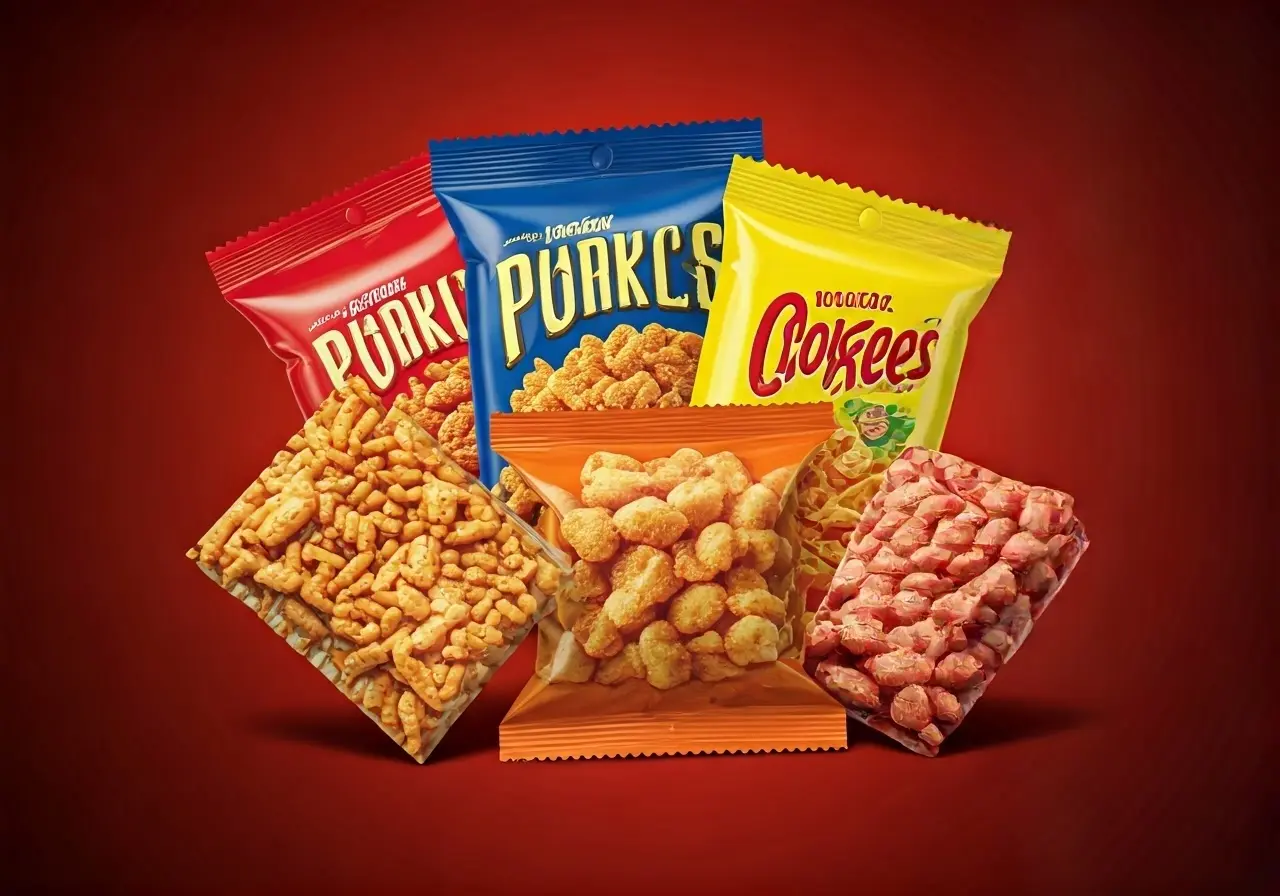
Understanding the Importance of Snack Packaging
Snack packaging is more than just a protective shell for the product. It serves as a marketing tool that communicates the brand’s message and values to consumers. A well-designed package can greatly influence purchasing decisions.
Imagine walking down the aisle of a store, and your eyes are immediately drawn to a package that stands out with vibrant colors and engaging graphics. This is the power of effective packaging. It’s not just about catching the consumer’s eye; it’s about connecting with them on a deeper level. When consumers feel a connection, they are more likely to choose that product over countless others. Packaging that tells a story can deepen this connection, making it memorable.
Key Elements for Eye-Catching Packaging
To create packaging that stands out, it’s essential to consider elements such as color, typography, imagery, and overall layout. Each of these can capture attention and convey the right message to potential buyers.
Choosing the right color palette can significantly affect a product’s first impression. Bright colors might exude energy and fun, while muted tones can suggest sophistication or health-focused benefits. Typography complements this, setting the tone for the consumer. Bold fonts might convey excitement or urgency, whereas softer scripts can evoke a sense of luxury or comfort. Imagery ties in the narrative—whether it’s appetizing photos of the snack or creative illustrations—making the product more relatable and desirable.
Another integral element is ensuring the layout is not cluttered but rather clean and well-organized. A clear hierarchy in the design helps emphasize crucial information, such as nutritional facts or unique selling points. Remember, less can often be more when it comes to effective packaging.
Aligning Packaging Design with Brand Identity
It is vital for the packaging to be consistent with the brand’s identity. This includes using colors, fonts, and design elements that align with the brand’s overall aesthetic and values.
When a consumer recognizes a brand instantly through its packaging, it reinforces trust and loyalty—key aspects for any brand aiming to establish itself firmly in the marketplace. Consistency helps in creating a visual language that lets customers identify what’s at the heart of the brand. Moreover, when the design is mirrored across various product lines, it reinforces the brand’s presence and builds a cohesive brand image.
Incorporating Sustainable Packaging Solutions
With increasing environmental awareness, using sustainable materials in packaging is not only a responsible choice but also a compelling selling point for brands. Consumers are increasingly seeking products with eco-friendly packaging.
Using materials that are biodegradable, recyclable, or made from renewable resources can significantly reduce the environmental impact. It’s an opportunity for brands to take a stance on environmental issues, which resonates with the modern consumer who is more aware and conscientious. By promoting sustainability, brands can appeal to eco-conscious individuals, thus setting themselves apart from competitors who have yet to adopt such measures.
As sustainability continues to shape consumer behavior, innovative packaging solutions like compostable pouches or reusable containers are gaining traction. These solutions not only demonstrate a commitment to sustainability but can also enhance the consumer’s experience, adding an extra layer of value to the product.
Staying Current with Snack Packaging Trends
Keeping up-to-date with the latest trends in snack packaging, like minimalism or bold graphics, can provide inspiration and keep the brand relevant in a competitive market.
Trends in packaging design often reflect broader cultural and societal changes. For example, minimalist designs have surged in popularity as consumers seek simplicity and clarity amidst a busy, often cluttered world. On the other hand, bold, eclectic designs are embraced for their expressive nature and ability to convey individuality in an ever-diversifying market. Staying attuned to these shifts can help brands make informed decisions, ensuring their products remain fresh and in step with consumer desires.
Crafting Memorable Snack Packaging Designs
Incorporating creative and strategic elements in snack packaging can significantly elevate a brand’s presence in the market. By focusing on unique designs, understanding branding, using sustainable materials, and staying ahead with trends, snack brands can not only attract but also retain their customers. Remember, packaging is not just about protecting the product; it’s about creating a memorable experience.

8 Ways Tea Packaging Can Enhance Your Brand
In today’s competitive market, first impressions are everything. This is especially true for businesses in the tea industry. Creative and thoughtful tea packaging not only helps distinguish your brand but also tells your story and connects with customers. Dive into these insightful ways your tea packaging can be a significant player in branding success.
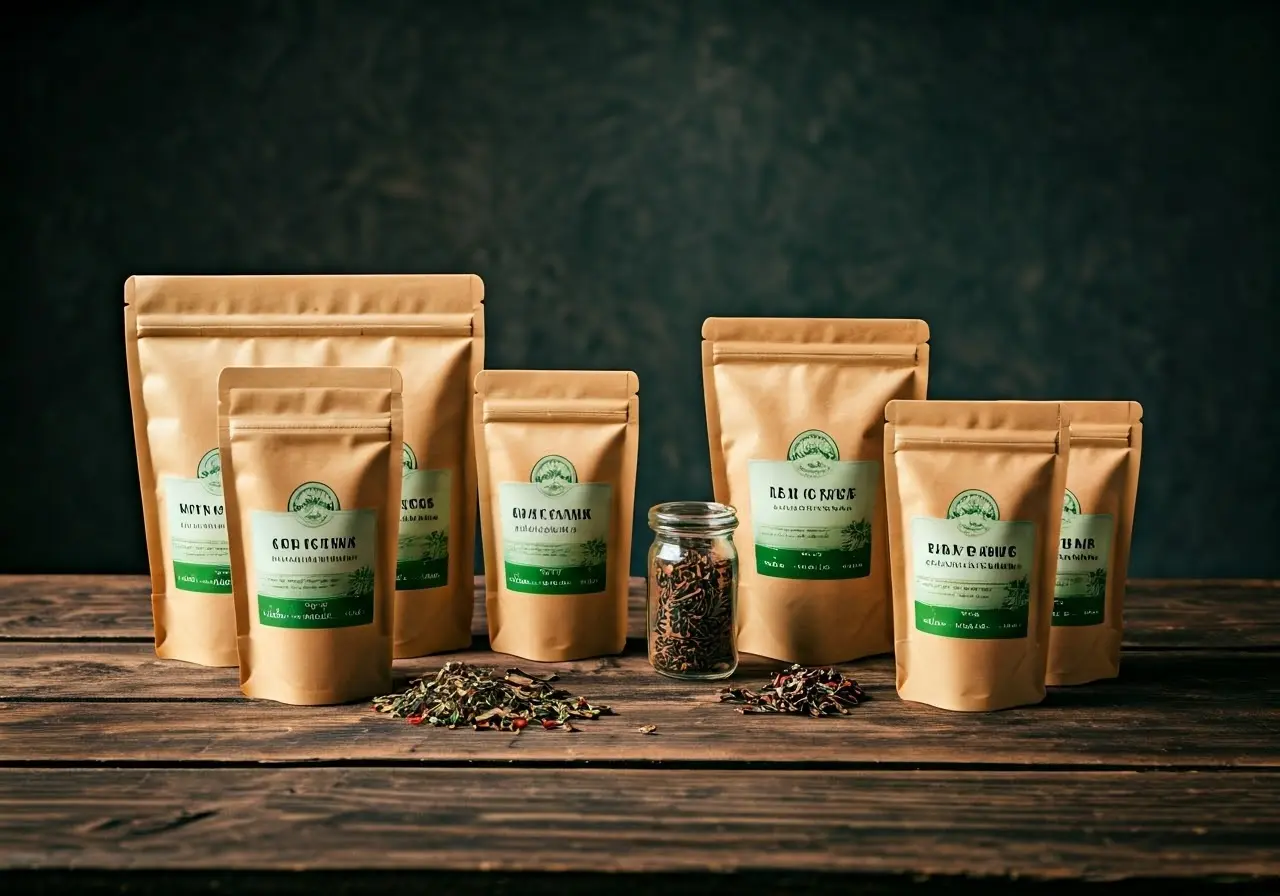
1. Make an Unforgettable First Impression
Impress your potential customers at first glance with eye-catching tea packaging designs. Memorable packaging can draw attention and spark curiosity, inviting a closer look at your brand offerings.
Think about your own experiences as a consumer. Have you ever picked up a product just because the packaging caught your eye? That’s the silent power of an unforgettable design. It compels people to engage with your product on the shelf instead of glancing past it. Vivid colors, intriguing textures, or artistic illustrations can create a visual feast that captures buyers’ imaginations.
Moreover, integrating innovative design elements such as sleek finishes or embossing can elevate your packaging’s appeal. These subtle touches signify attention to detail, which can subconsciously signal to the customer that your tea is of superior quality. First impressions last, and with the right combination of visual allure and quality promise, your brand can be the one that sticks in people’s minds.
2. Reflect Your Brand Values Through Design
Use design elements to communicate your brand values. Whether minimalist or extravagant, your packaging should embody the essence of what your brand stands for.
Choosing design elements that resonate with your ethos is crucial. Suppose your brand is committed to sustainability; you’d want materials and motifs that vocally support this narrative. Pictures of lush tea gardens or watercolor illustrations of nature compliment a brand dedicated to organic farming practices. In contrast, a sleek, modern, and monochrome design might better suit a brand that prides itself on innovation and technology. Aligning your packaging appearance with your brand’s personality fosters a holistic and authentic consumer experience.
Delving deeper, your packaging can embody stories and ideals beyond profit that resonate deeply with consumers. Packaging can be an artistic extension of the brand’s heritage, culture, or community involvement. Some brands highlight the rich history of tea cultivation or pay homage to the local communities that craft their tea with love and dedication. These elements of storytelling not only create strong connections with consumers but humanize your brand’s story, making it both visible and memorable.
3. Enhance With Unique Materials
Distinct materials can make your tea packaging not only attractive but also memorable. Consider eco-friendly options that resonate with consumers’ sustainable values.
In a world increasingly mindful of environmental concerns, switching to eco-conscious materials can serve dual purposes. People are more likely to choose your product over a competitor’s when you highlight your commitment to sustainability. Materials like recyclable paper, bamboo, or biodegradable plastics offer eco-friendly alternatives to conventional packaging. These materials are conversation starters, giving customers another reason to flaunt your product and contribute to a positive word-of-mouth campaign.
But eco-friendliness isn’t the only path to uniqueness; functional innovations can also set your packaging apart. Resealable pouches or tins that preserve freshness can cater to the busy, modern consumer’s need for convenience without sacrificing quality. Whether it’s a luxurious, tactile feel of matte finishes or subtle reinforcements to extend shelf-life, distinctive material selection can convert a casual customer into a committed advocate of your brand.
4. Utilize Customization for Personal Connection
Incorporate customizable elements to foster a personalized connection with your customers. From personalized messages to bespoke designs, create a package that resonates on a personal level.
The trend towards personalized experiences continues to rise, and your tea packaging can be at the forefront of this movement. Imagine your customers receiving a tea box adorned with their name or a message crafted specifically for them—it’s small yet meaningful touch like this that turns a simple tea-sipping experience into a cherished ritual. Customization communicates thoughtfulness and shows your customers that you value them as individuals.
Moreover, customization can extend into seasonal or thematic designs that speak to special occasions or current events. Limited edition releases or collaborations with artists can create a sense of urgency and exclusivity. It leaves the customer not just with a product but a keepsake, fostering a delightfully personal bond with your brand.
5. Stand Out With Unique Shapes and Structures
Experiment with shapes and structures that deviate from the norm. Innovative packaging structures can captivate interest and highlight the uniqueness of your brand.
Why stick to the traditional square or cylindrical containers when you can explore dynamic geometric designs? An octagonal box or a pyramid can intrigue potential customers, setting your product apart from the sea of similarly packaged teas. By breaking free from traditional forms, your brand expresses its innovative spirit and willingness to explore new frontiers.
Unique packaging structures can also enhance usability and function. Think about stackable tins or magnetic closures that offer convenience while retaining the novelty. By choosing creative forms, you invite interaction, encourage customer engagement, and leave a memorable impression that continues to influence brand recall even after purchase.
6. Highlight Quality and Freshness
Ensure your packaging highlights the quality and freshness of your tea. Engage customers with a design that assures them of the premium nature of your product.
When customers pick up your tea, they must be instantly reassured of its quality and freshness. Consider transparent portions of your packaging that showcase the tea leaves, allowing customers to see the product’s integrity directly. Such smart design features provide peace of mind, making potential buyers confident in purchasing your tea over an opaque competitor’s.
Further, implementing robust sealing mechanisms or vacuum-packed methods can be shown off to guarantee longevity and freshness. This way, you convey commitment to high standards, promising an exceptional tea experience every time a customer opens your product. Commitment to quality fuels trust—a cardinal step in ensuring repeat purchases and long-term brand loyalty.
7. Communicate Through Storytelling
Share your brand story effectively through your packaging. Use slogans, imagery, or narratives that tell your brand’s journey and connect emotionally with consumers.
Your tea packaging can be a canvas for storytelling—a gentle invitation to your brand’s world. Personal anecdotes, engaging tales about the sourcing of tea, or even whimsical fictional stories can captivate and engage the emotions of your audience. Good storytelling fosters strong emotional bonds, enhancing brand recall and encouraging customers to become narrators who share your brand’s message with their circle.
Every detail of your packaging design should be purpose-driven and contribute to the overarching story. It could be a timeline of your company’s milestones or a map illustrating the journey from plantation to packaging, embodying authenticity. By offering a peek into your world, you give your customers a sense of belonging—a partnership rather than a mere purchase.
8. Keep Functionality and Usability in Mind
Never compromise on function for form. Your packaging should be as functional as it is beautiful, ensuring it serves its purpose without inconvenience.
Snazzy layouts and creative design shouldn’t overshadow practicality. Customers still crave ease of use, whether it’s the way they open the packaging or how they can neatly store it in their pantry. Designing with the end-user in mind elevates customer satisfaction and results in fewer hassles for them as they enjoy your product.
Practicality and aesthetic can coexist if approached thoughtfully. Incorporating features like easy-pour spouts for loose leaf tea, resealable lids, or clear brewing instructions aligns function with every beautiful design element. Functionality ensures that customers return for a reliable and pleasant experience time after time. It’s this careful balance of form and function that solidifies a brand’s position in the consumer’s life—not just a choice but a necessity.

Fortis Solutions Group Acquires Groupe Lelys
VIRGINIA BEACH, VA, November 1, 2024 – Fortis Solutions Group LLC (“Fortis”), a leading provider of high impact printed packaging solutions and a portfolio company of funds managed by Harvest Partners, LP, today announced the acquisition of Groupe Lelys Inc. (“Lelys”) based in Laval, Quebec, Canada. Terms of the transaction were not disclosed.
Lelys is a premium digital and flexographic printer of pressure sensitive labels, shrink sleeves, and pouches serving manufacturers and distributors of personal care and cosmetics, food and beverage, wine and spirits, pharmaceutical and industrial end markets.
Employing over 1,250 employees across twenty-one manufacturing sites, Fortis intends to continue its pursuit of attractive acquisitions to further the breadth of product offerings and locations which can better serve its customer base.
For more information, or to contact a sales representative to learn more about how Fortis can make a difference for you, please call 1-844-FSG-LBLS or visit www.FortisSolutionsGroup.com.
About Fortis Solutions Group
At Fortis Solutions Group, we provide a differentiated approach giving our customers a powerful advantage in the marketplace through industry leading lead times, quality control, color management and solutions-oriented approaches. We deliver a breadth of product offerings utilizing our outstanding flexographic, letterpress, offset and digital printing capabilities. These offerings include pressure sensitive and shrink sleeve labels, multi-ply coupon and flexible packaging printing, extended booklet printing, pouches, folding cartons, label applicators and variable data printing. Headquartered in Virginia Beach, VA, the company also has manufacturing and sales offices in Catoosa, OK, Cordova, TN, Decatur, AL, Ellington, CT, Flowery Branch, GA, High Point, NC, Laval, Quebec, Canada, Lewisville, TX, Marietta, GA, Merced, CA, Montgomery, IL, Napa, CA, Norfolk, VA, Novi, MI, Orem, UT, Paso Robles, CA, Santa Fe Springs, CA, Somersworth, NH, St-Hubert, Quebec, Canada, and West Chester, OH.

How Can Environmentally Friendly Tea Packaging Impact Sales?
In today’s world, consumers are becoming increasingly conscious of the environmental impact of their purchases. This shift in consumer behavior has led many tea companies to consider adopting environmentally friendly tea packaging. But how exactly does this impact sales? In this blog, we’ll explore the potential benefits and impacts of eco-friendly tea packaging on a company’s bottom line.
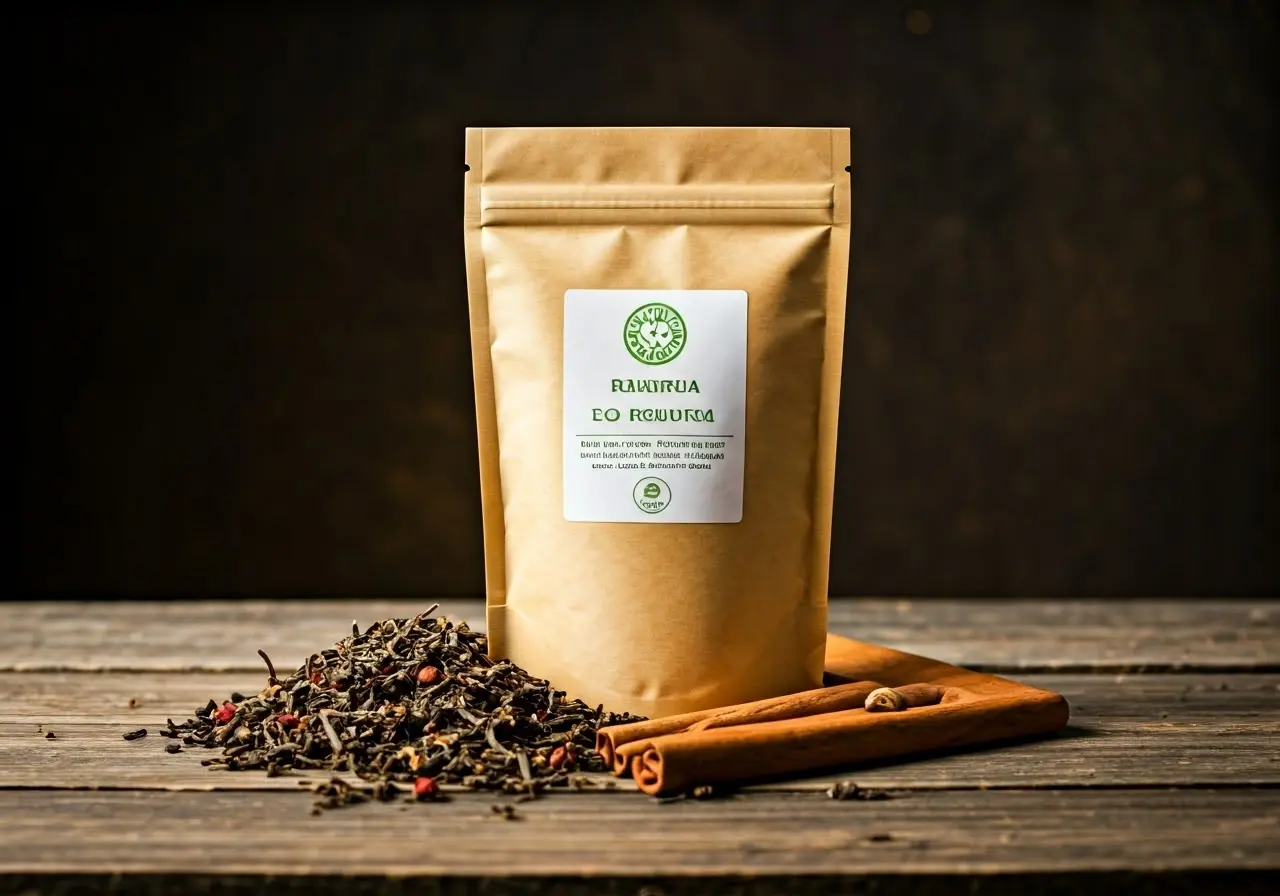
Understanding Consumer Preferences
Today’s consumers are more aware than ever of the environmental impact of their purchasing choices. They prefer products that align with their values, and this includes favoring brands that use sustainable packaging.
This shift in consumer preference isn’t just a fad; it’s a new reality for businesses. As environmental concerns mount, more shoppers are asking brands tough questions about their environmental impact, including how their products are packaged. This change has made environmentally friendly tea packaging not just an appealing option, but a business necessity.
Moreover, customers are willing to pay a premium for products wrapped up in eco-friendly packaging. They see it as an investment in the planet’s future, thus making the added expense worthwhile. This willingness indicates that sustainable packaging can indeed be a profitable venture for tea companies aiming to elevate their sales.
Boosting Brand Image and Loyalty
Using eco-friendly packaging can enhance a brand’s image. Consumers are likely to support companies that demonstrate a commitment to sustainability, leading to increased customer loyalty and repeat sales.
When a brand visibly embraces sustainability, it doesn’t go unnoticed by consumers. Companies that commit to using environmentally friendly tea packaging often find that their customers become loyal ambassadors of the brand, sharing their positive impressions with others and leading to word-of-mouth growth.
In today’s competitive market, brand loyalty can be elusive. However, sustainable initiatives can foster a real connection with customers, especially those who highly value sustainability. By leveraging eco-friendly packaging as a part of their corporate ethos, tea businesses not only appeal to existing customers but attract new ones who share similar environmental values.
Environmental Impact and Cost Efficiency
Eco-friendly packaging reduces waste and carbon footprint, and in many cases, it can also result in cost savings. These efficiency gains can be passed on to consumers, making products more competitively priced.
It’s worth noting that as technology and materials continue to advance, the cost associated with producing environmentally friendly packaging is steadily decreasing. This reduction in cost helps teas remain affordable while being sold in packaging that treads lightly on the planet.
Moreover, some biodegradable or recyclable materials can be produced using less energy than traditional packaging materials. This energy-saving aspect not only cuts down production costs but contributes to a smaller carbon footprint, aligning business practices with environmental goals.
Ultimately, these savings and efficiencies support profitability in two main ways: direct cost reductions and increased consumer preference, as more people gravitate towards brands that embody eco-friendly values in their business operations.
Standing Out in the Market
In a crowded marketplace, environmentally friendly tea packaging can differentiate a brand. This unique selling proposition helps attract eco-conscious consumers and create a competitive edge.
Eco-friendly packaging is not just functional; it’s a potent marketing tool. By using it, companies send a clear message that they prioritize the environment and are responsive to the concerns of their customers.
When a brand stands out for the right reasons, it elevates its market presence and attracts attention. For tea companies, particularly those without large advertising budgets, this distinction brought about by eco-friendly packaging serves as an effective means to capture consumer attention without breaking the bank.
Meeting Regulatory Requirements
With increasing regulations around waste management and plastic usage, adopting eco-friendly tea packaging helps companies comply with legal requirements, potentially avoiding fines and enhancing market presence.
Legislation surrounding packaging waste and sustainability is tightening globally. For brands, this means that adopting environmentally friendly practices isn’t just beneficial; it’s rapidly becoming necessary to stay compliant with laws and regulations, thus maintaining a good standing in their operating regions.
By staying ahead of regulatory changes and adopting eco-friendly tea packaging, companies demonstrate foresight and adaptability, key traits that resonate well with modern consumers and also ensure uninterrupted operations.
The Strategic Advantage of Eco-Friendly Tea Packaging
Switching to environmentally friendly tea packaging is more than just a trend—it’s a strategic move that aligns with consumer values, enhances brand reputation, and can ultimately boost sales. By embracing sustainable practices, tea companies can attract eco-conscious consumers, reduce environmental impact, and differentiate themselves in a competitive market.