

Blog

8 Packaging Solutions to Elevate Your Brand in the United States
In today’s competitive market, how your products are packaged can make all the difference in capturing the attention of potential customers. Elevating your brand through innovative packaging solutions is not just about aesthetics—it’s also about functionality, sustainability, and aligning with consumer values. Here, we’ll explore impactful packaging strategies that can help set your brand apart in the United States.
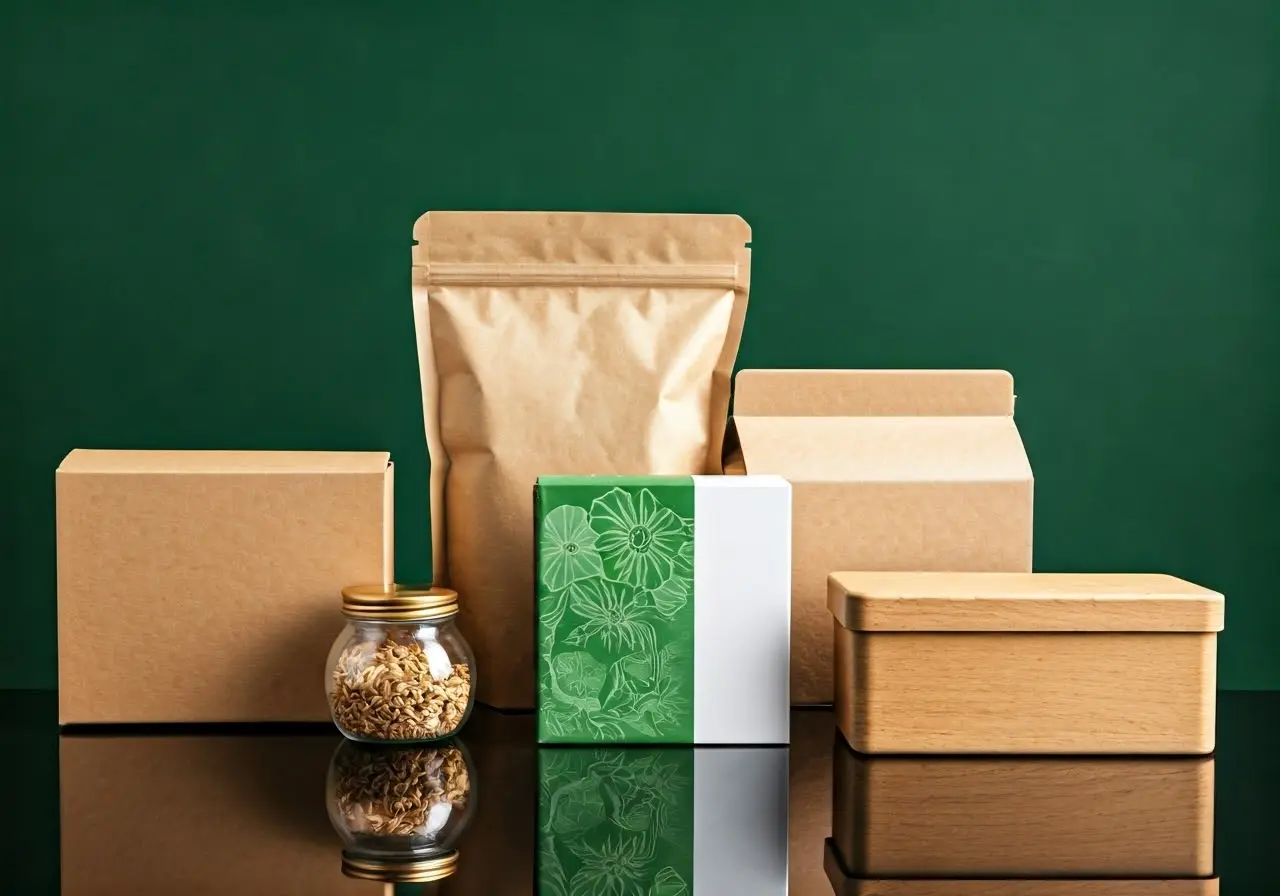
1. Eco-Friendly Packaging Materials
As the world becomes increasingly aware of environmental issues, eco-friendly packaging materials are not just an option but a necessity. Adopting sustainable materials not only reduces the ecological footprint but also resonates strongly with consumers who prioritize environmental stewardship. Brands that make a visible effort to reduce plastic use and incorporate biodegradable options, such as paper and plant-based materials, can build trust with their audience. According to Elite Custom Boxes, companies like Nestlé are leading the way by replacing plastic with paper-based packaging, aiming to use one-third less new plastic by 2025.
Moreover, opting for reusable and recyclable packaging solutions can significantly help your brand stand out. It’s not just about using any biodegradable material; it’s about choosing the right material that speaks to the brand’s ethos. By tapping into eco-friendly options, your brand isn’t just selling a product; it’s telling a story of commitment towards a greener planet. Utilizing eco-friendly packaging can easily become a rallying point for your brand, appealing to consumers who are conscious of their buying impacts.
2. Innovative Design Techniques
In an age where first impressions are everything, the design of your packaging can create a lasting impact. Innovative design techniques utilize state-of-the-art technology to create unique, eye-catching packaging that not only attracts attention but also communicates the brand’s story. The art of combining aesthetic appeal with effective branding can transform a casual viewer into a loyal customer.
Consider the power of color psychology and texture in your design choices. Bold colors may convey energy and excitement, while minimalist designs can evoke sophistication and purity. Incorporating elements that reflect your brand’s personality can differentiate your product on crowded shelves. From structural innovations like unique box openings to engaging graphics, design is about breaking the mold and creating a memorable product interaction.
Understanding flexographic printing process can also revolutionize your packaging design, providing high-quality prints that are both vibrant and clear. Fortis Solutions Group shares insights on how flexographic techniques can enhance your packaging, allowing your brand to shine through with impressive imagery and customized detailing.
3. Personalization and Customization
Personalized packaging is an incredibly effective way to engage consumers on a more intimate level. Customization transcends mere aesthetics—it’s about creating a tailored experience that resonates with individual customers. Consumers want more than just quality products; they desire a connection to the brands they support. Personalized packaging strategies, such as unique prints or names, can enhance this connection, making each purchase a memorable event.
Think about Coca-Cola’s successful personalized name bottles campaign, which caught the attention of consumers by adding a personal touch. This concept can be taken further by incorporating customer feedback or using buyer personas to design packaging that speaks directly to diverse consumer segments. Personalized patterns, colors, and even surprising package structures can transform a static product into a dynamic connection point with your audience.
4. Smart Packaging Technology
Smart packaging technology is not just about looking forward; it’s about offering tangible benefits to the end consumer. In an era dominated by digital connectivity, integrating technology such as QR codes and augmented reality can enrich the customer experience exponentially. Through QR codes, consumers can access content like detailed product information or brand stories, creating an engaging brand interaction with just a scan. This seamless integration between physical packaging and digital content can enhance user experience and brand perception.
Augmented reality takes packaging to the next level by providing an interactive experience that can captivate consumers in unprecedented ways. By scanning packaging, customers can unlock immersive content like video tutorials, user reviews, or behind-the-scenes looks at your product. These smart features do not just add value but transform the mundane act of shopping into an engaging experience, thus reinforcing brand loyalty.
5. Minimalist Design Trends
The phrase ‘less is more’ has never been more applicable in the world of packaging. Minimalist designs emphasize function and beauty, ensuring that the product remains the focal point. Clean lines, ample whitespace, and simple typography can exude elegance and draw attention to what truly matters—the product itself. This strategy not only appeals to a modern audience but also aligns with sustainable practices by reducing unnecessary material usage.
Minimalist packaging communicates purity, efficiency, and modernity. By removing unnecessary embellishments, brands convey confidence in their product’s value. This approach can especially appeal to eco-conscious consumers, as it frequently aligns with the use of recyclable materials and an understated carbon footprint. By stripping down to the essentials, brands can craft a trustworthy and timeless image.
6. Multi-Functional Packaging Solutions
In today’s market, packaging that serves multiple purposes offers additional value that can sway customers in favor of your brand. Multi-functional packaging can improve usability and consumer convenience, going beyond the basic requirement of product protection. Imagine a package that transforms into a stand for smartphones or a children’s toy. Such versatility not only enhances consumer interaction but also boosts product desirability.
Consider sustainability as well in your multi-functional designs. Packaging that doubles as a storage container or repurposable item aligns well with eco-friendly values. These creative solutions can significantly enhance brand image and foster a loyal customer base that appreciates innovation and utility in product design.
7. Cultural and Regional Inspirations
Harnessing cultural and regional elements is a powerful, yet often overlooked, packaging strategy. This approach connects the product with local consumers, making it resonate more deeply and fostering a sense of belonging. It can be as simple as integrating local art or as complex as reflecting regional histories in packaging narratives. By tapping into local inspirations, brands can differentiate themselves from global competitors while showing respect and appreciation for local cultures.
Culturally inspired packaging also offers a chance to educate consumers on the traditions and values of different communities. This educational aspect can attract global consumers looking to explore diverse cultures through their purchases. Crafting a packaging strategy that celebrates cultural diversity not only appeals to local sensibilities but enriches the brand’s global story.
8. Cost-Effective Packaging Strategies
Balancing innovation with cost-efficiency is critical for any brand looking to maintain financial health without compromising their product presentation. Cost-effective packaging doesn’t mean cutting corners but finding creative ways to maximize resources. Employing flexible cost structures and utilizing materials efficiently are just a few strategies that can keep packaging appealing without breaking the bank. These savvy approaches can help brands remain competitive in fluctuating markets.
Partnering with reliable packaging suppliers is also crucial for budget-friendly solutions, as consistent quality and price controls contribute to cost-effectiveness. By leveraging economies of scale and exploring innovative packaging technologies, brands can cut costs and invest in superior design and functionality. These strategies help maintain the balance between economic viability and excellent branding.

7 Key Features Every Condiment Label Should Have
When you grab a condiment off the shelf, most people don’t realize how much thought went into that small label wrapped around the bottle. A good condiment label does more than just display the name; it speaks to the brand’s identity, provides essential information, and attracts customers. Let’s dive into the key features every successful condiment label should have.
1. Clarity in Branding
The label is a key component of branding. It should clearly present the logo and use colors and fonts consistent with the brand’s identity. This helps consumers easily identify the product among a sea of competitors.
This is crucial for building brand recognition and differentiation in a crowded market. Imagine walking down an aisle filled with myriad condiment options—how do you decide which to pick? The answer usually lies in brand familiarity. When customers recognize and trust a brand based on its distinct label design, they’re more likely to grab that product off the shelf. Additionally, maintaining brand consistency across all products, from sauces to dressings, reinforces reliability and familiarity with consumers, further establishing your foothold in their purchasing decisions.
Investing in cohesive branding is not just about aesthetics but a strategic move to build loyalty and trust. According to Fortis Solutions Group, integrating coherent visual designs across various products and packaging elements significantly enhances market presence and consumer commitment. High-quality labels that mirror your brand narrative ensure your products stand out, making a lasting impression and encouraging repeat purchases.
2. Ingredient Transparency
Listing ingredients is not just a regulatory requirement; it builds trust with consumers. Being transparent about what’s inside can address dietary preferences and allergen concerns, establishing a connection based on honesty.
Today’s consumers are increasingly mindful of what they consume, with many scrutinizing labels for dietary compatibility and allergen information. Proper ingredient transparency can protect both the consumer and your brand from potential disputes. It’s crucial to provide an accurate and honest breakdown of ingredients, which also complies with local and international regulatory standards. Transparency in labeling not only avoids legal complications but also bolsters the company’s reputation for integrity.
Consider the surge in popularity for specific dietary lifestyles, such as gluten-free, vegan, or keto. Labels that reflect these preferences through clear ingredient lists make a strong buyer’s ally. Consumers may favor brands that communicate openly, aligning your product as a trustworthy choice within their dietary parameters and suggesting a broader commitment to their well-being.
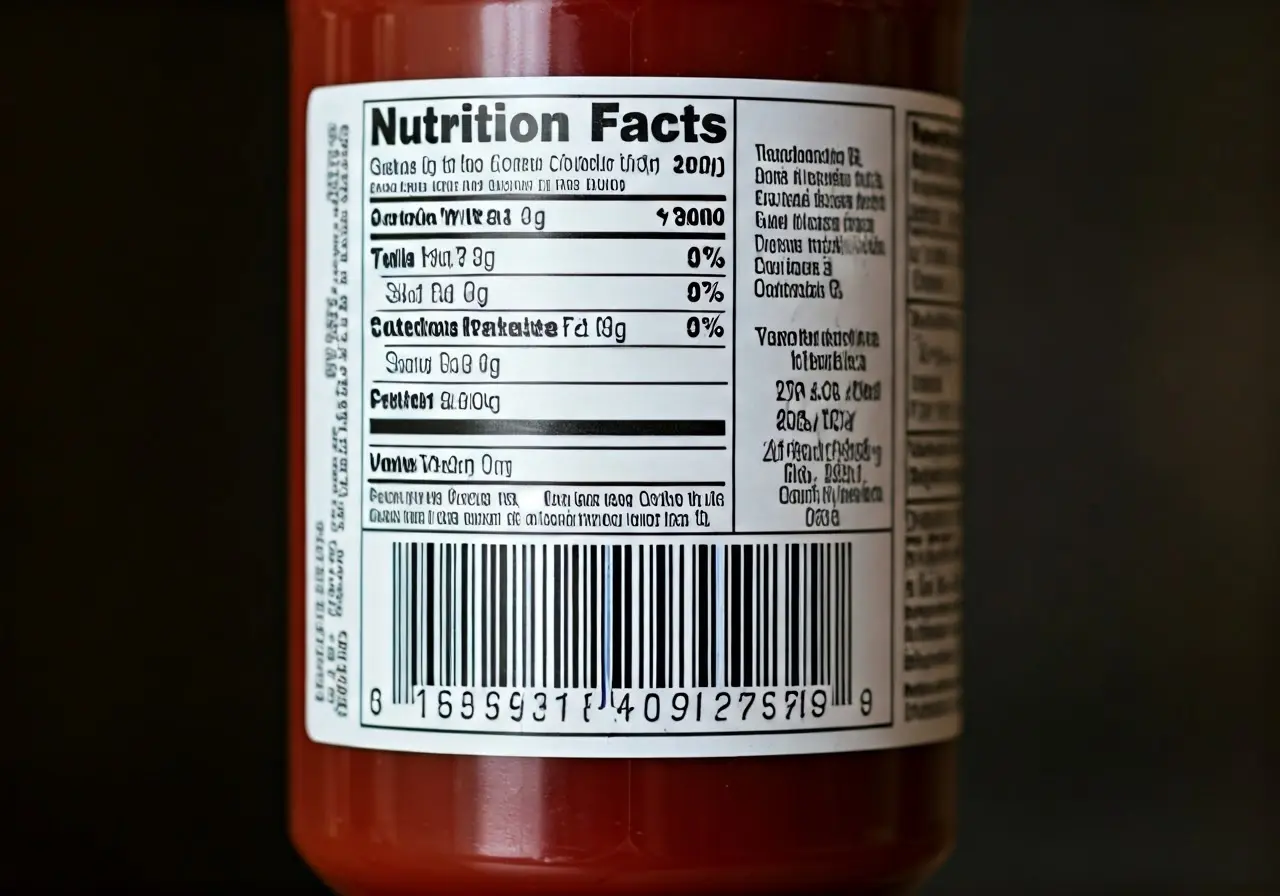
3. Nutritional Information
Nutritional labels provide important health-related information, helping consumers make informed choices. Essential nutrients, calories, and serving size are details that food-savvy customers look for.
As more people become health-conscious, nutritional information on labels has become incredibly valuable. It’s not just about listing calories or fat content but providing a comprehensive overview of the product’s health benefits or drawbacks. A thoughtful presentation of this data implies that the brand values transparency and consumer education. This is particularly beneficial when introducing a new product to a health-aware market.
Integrating visuals such as charts or percentage guides can further simplify the information, making it more accessible. These elements not only adhere to recent regulatory standards but also enhance the readability and overall quality of the label, enhancing consumer clarity.
4. Eye-Catching Design
The label should be visually appealing, using graphics, color, and typography to attract a buyer’s attention. Striking the right balance between aesthetics and readability is crucial in ensuring the label stands out.
The design serves as the first point of contact with potential buyers, making its effectiveness paramount. Selecting the right color palette and font that aligns with your brand can turn a passerby into a customer. For instance, bright, sunny yellows and reds might appeal to condiment shoppers looking for zest and boldness, whereas muted pastels can indicate subtlety and luxury. Using high-resolution images and clean lines can keep the design crisp and professional.
Innovative design elements like textures and embossing can add tactile interest, encouraging consumers to physically interact with your product. Condiment labels that provide a unique sensory experience stand a better chance at capturing the consumer’s attention and making a memorable first impression.
5. Barcode and Scannability
A functional barcode ensures the product can be easily scanned at the point of sale. It also allows for inventory management and provides a simple way for consumers to access more information.
Beyond facilitating checkout processes, modern barcode features can enhance consumer interaction. Scanning technology can be linked to a wealth of information, from simple pricing to promotional offers or links to brand stories and sourcing details. This transparency caters to an increasingly tech-savvy market and allows consumers to make more informed purchase decisions.
6. Instructions for Use
Clear usage instructions help consumers get the most out of the product. Whether it’s a simple ‘shake well before using’ or serving suggestions, this can enhance the consumer experience.
Adding creative, engaging instructions can elevate customer interaction with your product. Offering serving suggestions or pairing ideas transforms a simple condiment into a culinary companion. These additions not only reveal a brand’s personality but also establish an emotional connection with the consumer by offering value beyond the shelf.
7. Sustainability Messages
With growing environmental concerns, labels that highlight sustainability practices or recyclable packaging resonate well with eco-conscious consumers. It’s an effective way to showcase corporate responsibility.
Consumers are increasingly drawn to brands that prioritize eco-friendly practices. If your labels are made using recyclable materials or printed with soy-based inks, communicating this can add significant value to your brand. Green packaging solutions not only cater to consumer ethics but can aid in positioning your brand as a leader in sustainability within the industry, attracting a broader customer base.

8 Unique Trends in Beer Labels You Can’t Ignore
In the ever-evolving world of craft beer, the labels on the bottles and cans are becoming as important as the brews themselves. They’re not just mere identifiers; they’re a canvas for art, culture, and storytelling. Here are some of the most unique trends in beer labels that are captivating consumers and changing the game.
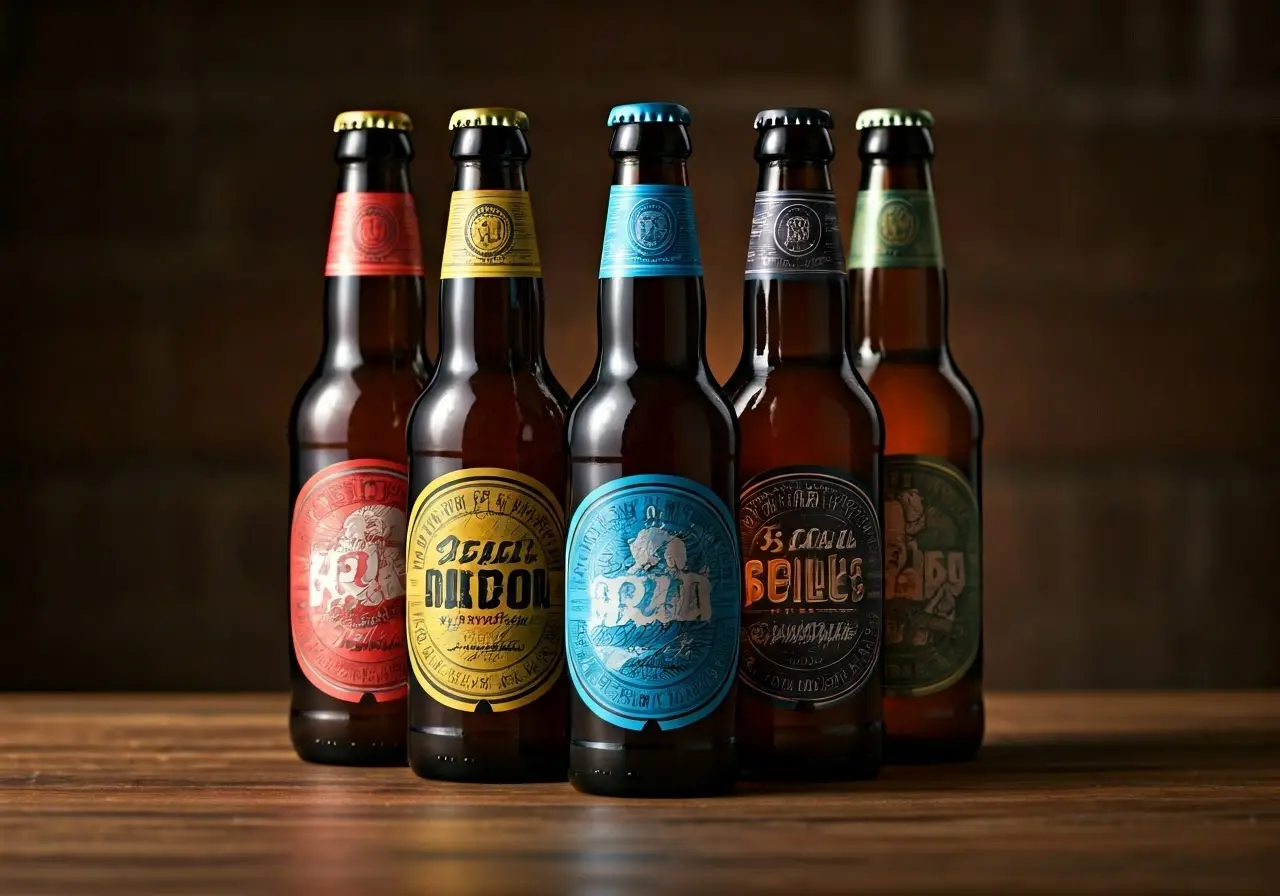
1. Minimalist Designs Speak Volumes
In a world filled with noise, minimalist beer labels stand out with their simplicity. These designs often use limited color palettes and clean lines to echo the quality and craftsmanship of the beer inside. This less-is-more approach is not just a design choice; it’s a strategic move that aligns with a growing consumer preference for authenticity and transparency in product labeling. Minimalist designs simplify the branding message, making it easily digestible for consumers who are inundated with visual stimuli every day.
This approach often emphasizes the intrinsic qualities of the beer itself rather than overshadowing it with elaborate design elements. A minimalist design also has practical benefits in the digital age, where smaller smartphone screens dominate the way consumers perceive brands. By incorporating clean and bold design conventions, breweries communicate sophistication and elegance that translates well both in physical and digital marketplaces.
Moreover, minimalist beer labels amplify the significance of the brand logo and other key identifiers, ensuring that they are immediately recognizable. Many successful brands have found that a refined label not only stands out on crowded shelves but also aids brand recall, retaining consumer loyalty. It’s about distilling the essence of the brew into an aesthetically pleasing visual format that still manages to speak loudly to its audience.
2. The Rise of Local Artistry
Many breweries are collaborating with local artists to create labels that reflect their community and culture. This not only supports local talent but also roots the brand in a unique regional identity. Artists often infuse regional landscapes, folklore, and cultural elements into their designs, creating labels that serve as a visual love letter to the brewery’s hometown.
By involving local artistry, breweries offer consumers not just a beverage, but a piece of the locale’s heritage. This trend fosters a sense of community and pride, providing drinkers with a more enriched experience. For instance, a brewery nestled in a historical town might incorporate local architectural themes in their label design, sharing a piece of the town’s story with every can or bottle sold.
Such artistic collaborations can evoke a deeper emotional connection with consumers. According to Craft Beer Professionals, engaging regional artists in label design allows breweries to remain culturally relevant and authentic, inviting drinkers to not just taste the brew, but to experience a community’s spirit with each sip.
3. Interactive Labels and Augmented Reality
Tech-savvy breweries are using augmented reality to add an interactive element to their labels. Through smartphone apps, drinkers can watch animations or discover stories hidden within the artwork. This innovative use of technology offers an immersive experience, where labels come to life, providing an extra layer of engagement that goes beyond traditional branding.
Interactive labeling appeals to a demographic that’s increasingly reliant on technology for entertainment and information. When consumers use their phones to unveil animations or hidden elements on these labels, they are not only entertained but also engaged in a novel storytelling approach. Each interactive element can reveal interesting facts about the brewery, the brewing process, or even the ingredients used.
4. Vintage Aesthetics Make a Comeback
Nostalgia is a powerful tool, and many beer labels are bringing back vintage designs. These retro styles evoke a sense of history and tradition, appealing to both older customers and those seeking something classic. By drawing on design elements from the past, such labels offer comfort and familiarity in a fast-paced world increasingly drawn to modernistic aesthetics.
5. Eco-Friendly Materials for a Greener Future
Sustainability is at the forefront of consumers’ minds, and breweries are responding by using eco-friendly label materials. From recycled paper to biodegradable inks, these green initiatives appeal to environmentally-conscious drinkers. As highlighted in our blog on sustainable beverage labels, these labels are not just about reducing waste, but about fostering an ecosystem of sustainability that breweries and consumers are keen to support.
Eco-friendly labels are becoming a norm, crafted from resources intended to lessen environmental impact. Many breweries are shifting towards materials that align with eco-friendly practices, engaging in a narrative that both consumers and businesses benefit from. This has established a new benchmark in the industry, ensuring that products are marketed in a manner that is as wholesome and sustainable as the brews themselves.
6. Humor and Wit Capture Attention
Humorous beer labels use clever wordplay and playful images to make a lasting impression. This trend engages consumers with a touch of fun, making sipping a beer an even more joyful experience. By harnessing wit, brands create memorable and relatable identity, which translates into positive consumer experiences and improved brand loyalty.
7. Storytelling Through Labels
Every beer has a story to tell, and labels are increasingly becoming a way to share these narratives. From the origin of the ingredients to the craft behind the brew, storytelling labels forge a deeper connection with consumers. This trend is not merely about informative enhancements; it’s an intrinsic part of an engaging brand story that starts even before the first sip.
8. Limited Edition and Collectible Labels
Collectible beer labels are a hit among enthusiasts. Limited edition releases with unique, eye-catching artwork not only create buzz but also encourage consumers to try new brews and add to their collections. These labels are often sought-after pieces of art that transcend their utilitarian purpose, creating a cult-like following among their loyal consumer base.
These limited edition labels frequently feature collaborations with artists or themed designs aligning with culturally significant events. The rarity and exclusivity of these releases make them desirable to collectors and craft beer aficionados alike. It’s this exclusivity, often coupled with sophisticated artistic vision, that garners attention and drives demand for exclusive releases.

10 Reasons Barrier Films are Essential in Modern Packaging
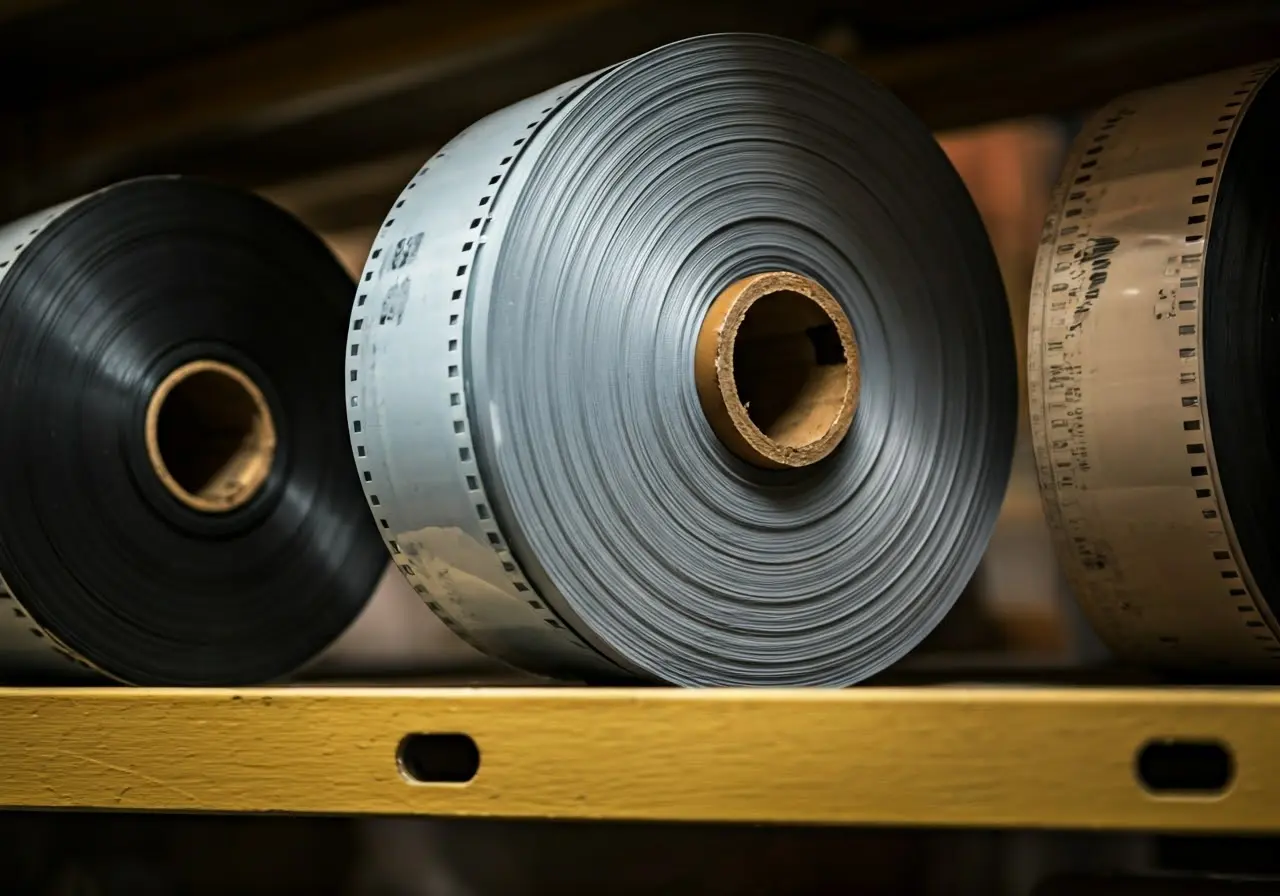
In the realm of modern packaging, barrier films have become indispensable. Their unique properties not only preserve product freshness but also enhance brand image. Dive into why these materials are revolutionizing the way we package goods.
1. Enhanced Product Shelf Life
Barrier films play a crucial role in extending the shelf life of products by protecting them from moisture, oxygen, and other environmental factors. This ensures that consumers receive fresh and quality goods every time.
Imagine picking up your favorite snack from the shelf, only to find it stale or lacking flavor. Such disappointment is largely mitigated due to the effective use of barrier films. These films form an airtight seal that locks in freshness, keeping the product as intended by the manufacturer. After all, nobody wants to buy a product that’s past its prime. With extending shelf life, goods can be transported across longer distances without compromising quality, too.
2. Superior Protection Against Contaminants
One of the primary benefits of barrier films is their ability to shield products from contaminants, preserving the product’s integrity and ensuring consumer safety.
Contaminants are everywhere – from the factory floor to the retail shelf, and they pose a threat to product safety. Barrier films act as a formidable wall against unwanted external elements. Whether it’s dust during manufacturing or bacteria during transport, barrier films ensure that the product remains in pristine condition. This protective layer not only enhances product longevity but also builds consumer trust in brand reliability.
Furthermore, ensuring product safety is more crucial than ever as consumers become increasingly informed about what they purchase. Health and safety concerns drive purchasing decisions, and barrier films give businesses a competitive edge by assuring consumers of their product’s safety. It’s a win-win situation for both manufacturers and consumers!
3. Preserving Flavor and Aroma
Barrier films help in maintaining the original taste and aroma of food products, providing consumers with the authentic experience intended by the manufacturer.
Have you ever opened a package and been greeted by the delightful aroma of its contents? This experience is made possible by the advent of barrier films. Odor retention is as critical as taste, especially for products like coffee, spices, and teas, where consumers seek a sensorial journey. By locking in these aromatic compounds, barrier films guarantee a sensational experience with every use, making sure the consumer gets exactly what they expect – time and again.
4. UV Protection for Sensitive Goods
These films are adept at protecting products from harmful ultraviolet rays that can degrade sensitive items such as pharmaceuticals and cosmetics.
Ultraviolet rays might be great for tanning, but they are no friend to delicate products on store shelves. Barrier films for items vulnerable to UV degradation, such as skincare products or certain medications, provide a much-needed shield. They preserve the efficacy and safety of these sensitive goods, ensuring that consumers receive products that perform as promised. After all, a product’s value lies in its ability to deliver on its intended purpose without adverse effects. Through UV protection, barrier films extend beyond mere physical guarding to assuring quality preservation.
5. Reducing Food Waste
By extending shelf life and protecting product quality, barrier films contribute significantly to reducing food wastage, which is an ever-growing concern worldwide.
In today’s world, minimizing waste is not just a goal but a necessity. The role of barrier films in this context is monumental. With the global population growing and resources becoming scarcer, reducing food waste is imperative. By maintaining food quality over extended periods, barrier films ensure that less food gets thrown away due to expiry or contamination. This not only saves resources but also allows food to reach places where it is needed most, helping to mitigate food scarcity. It’s about creating a more efficient, sustainable food chain.
6. Meeting Environmental Standards
Many barrier films are designed with the environment in mind, being recyclable or made from biodegradable materials, thus aligning with global sustainability goals.
Aligning with environmental standards doesn’t just benefit the earth; it also resonates with today’s eco-conscious consumers. These customers are not only interested in what’s inside the package but how that package impacts the planet. Barrier films are increasingly manufactured using eco-friendly methods, reducing the carbon footprint of products. By opting for recyclable or biodegradable barrier films, companies take a firm stand in their commitment to environmental stewardship. It’s about harmonizing product safety with ecological responsibility, paving the way for a greener tomorrow.
7. Versatile Applications
From food and beverages to pharmaceuticals, the versatility of barrier films makes them suitable for a broad range of applications, proving their essential role in diverse industries.
The adaptability of barrier films is a testament to their integral role across various sectors. In the food industry, they keep perishables fresh. In pharmaceuticals, they protect sensitive medications. In the cosmetics field, they preserve formulations from external degradation. The versatility of these films extends to even more niches, such as electronics, where they shield components from moisture and dust. Regardless of the industry, barrier films offer tailored solutions, effectively meeting the specific requirements of each sector.
This versatility means that businesses can rely on one type of packaging material for multiple needs, simplifying supply chains and reducing costs. It’s a clever way for businesses to streamline their operations while still ensuring their products remain top-notch. A truly impressive feat of modern material science!
8. Cost-Effective Packaging Solutions
Despite their advanced features, barrier films offer cost-effective solutions that help businesses balance quality protection with production budgets.
Finding cost-effectiveness without sacrificing quality is a balancing act that every business strives to achieve. Barrier films streamline this endeavor by providing high-level protection without exorbitant costs. Due to their lightweight nature, these films can reduce transportation costs, lowering the overall expenditure for packaging and delivery. Moreover, the extended shelf life they offer can cut down on potential losses from expired or returned products. What businesses get is a robust protective mechanism that doesn’t dwindle the financial resources but rather optimizes them.
9. Flexibility in Design and Branding
Barrier films allow companies to create innovative packaging designs that enhance brand visibility while meeting specific protection needs.
In a world where first impressions matter, packaging plays a pivotal role in attracting consumers. Barrier films offer unparalleled design flexibility, allowing brands to craft visually appealing and functionally superior packaging solutions. Whether it’s brilliant colors or transparent windows to showcase the product inside, manufacturers can customize barrier films to reflect their brand identity perfectly. This design freedom helps brands stand out on the shelf, catching the eye of potential buyers and communicating what they stand for. With attractive packaging that aligns with brand messaging, companies can also build stronger relationships with their customers.
10. Enhancing Consumer Appeal
With their sleek and modern appearance, barrier films add an aesthetic appeal to products, which can enhance consumer attraction and satisfaction.
Consumers today seek products that not only meet their functional needs but also provide an aesthetic delight. Barrier films deliver on this expectation with their sleek and modern finishes. Their ability to convey quality and sophistication through packaging enhances the perceived value of the product inside. By choosing barrier films, brands can attract discerning customers who value aesthetic and innovation equally. This can lead to increased sales and heightened brand loyalty, as customers are more likely to return to products that captivate with both look and substance. In essence, barrier films transform standard products into premium items that consumers eagerly embrace.

7 Reasons Why Label Applicators Can Boost Your Packaging Efficiency
In today’s fast-paced world, efficiency is key, especially when it comes to packaging. Many businesses overlook the impact that a quality label can have, often resulting in time-consuming errors and excessive waste. This is where label applicators come in! Let’s dive into why these handy machines are essential and how they can transform your packaging process.
1. Streamlined Operations
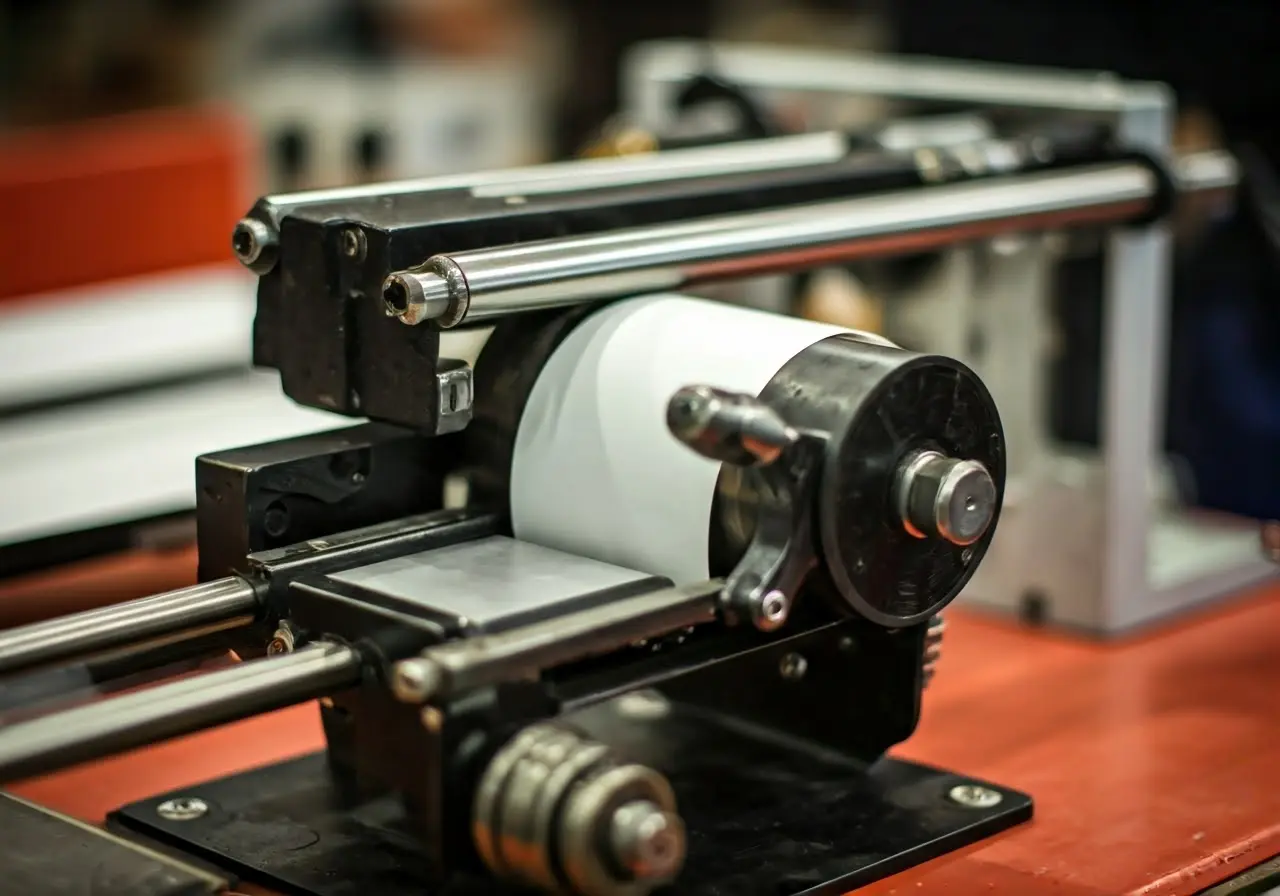
Implementing label applicators ensures that your packaging line runs smoothly. By automating the labeling process, you can reduce manual labor and potential human error, saving both time and resources. When incorporating these high-tech machines into your workflow, you’re not just investing in equipment but enhancing your operational efficiency significantly. A study on Print and Apply Label Applicators highlights how these devices streamline the packaging process, ensuring accuracy and reducing the chance of mislabeling.
Consider the diverse range of label applicators offered by Fortis Solutions Group. Whether you need a solution for high-speed production lines or a smaller-scale operation, there’s a label applicator to fit your specific requirements. Their state-of-the-art, dependable applicators are designed with flexibility in mind, allowing seamless integration into your existing setup and enabling a smoother operational flow.
2. Enhanced Speed
Label applicators operate at a much faster rate than manual labeling, boosting your overall packaging speed. This increase in speed not only meets higher demands but also improves your bottom line by getting products to market faster. For example, a particular type of applicator, called blow-on models, uses a precise airflow to apply labels without direct contact, making them suitable for delicate or uneven surfaces. Their touchless nature enhances speed without compromising the quality of labeling.
Moreover, automated label applicators like CTM Labeling Systems are built to handle increased production volumes while maintaining high accuracy. As demand escalates during peak seasons or product launches, relying on these automated solutions can facilitate prompt market entry, ensuring that your products are always on the shelves when consumers need them.
3. Consistency in Labeling
One of the major advantages of using label applicators is the consistent application of labels. This precision ensures that each product looks professional and uniform, enhancing your brand’s image and reliability. Quality control is paramount in maintaining brand reputation and operational efficiency, which is precisely where the consistent application of technology proves invaluable. Through their use, the variance in label placement that might occur with manual handling is virtually eliminated, guaranteeing uniformity across product batches.
4. Reduced Waste
Automated label applicators minimize material waste by ensuring accurate placement. This reduction in waste not only cuts costs but also supports more sustainable practices within your business. As labeling errors decrease, the amount of wasted materials, like misprinted labels, diminishes sharply. This feature is particularly significant in industries emphasizing green initiatives, as it directly impacts the reduction of carbon footprints and aligns with corporate social responsibility goals.
The advanced technology used in these machines ensures waste reduction through pinpoint accuracy and efficient use of resources. By automatically adjusting for misalignments and utilizing precise application techniques, such as tamp-on or wipe-on methods, these applicators can be tailored to minimize waste depending on the specific requirements of your product’s packaging design.
5. Flexibility of Use
With modern label applicators, you have the flexibility to easily switch between different types of labels and products. This adaptability is ideal for businesses with diverse product lines, allowing for quick adjustments without lengthy downtime. From the application of promotional labels to the deployment of different adhesive strengths for varying surface types, label applicators, like those offered by Fortis Solutions Group, excel in handling this diversity.
For instance, removable labels, discussed in detail in a recent blog, benefit greatly from the flexibility provided by automated systems. These labels can be applied and removed without leaving residue, making them perfect for temporary applications such as promotional or information tags, further demonstrating how modern applicators can adapt to different business needs effectively.
6. Cost Savings
Although the initial investment for a label applicator can seem high, the long-term cost savings can be substantial. Reduced labor costs and minimized errors translate to significant savings over time, making it a cost-effective choice. In a detailed guide on Print & Apply Label Applicators, it’s shown that these devices not only enhance efficiency but also provide a favorable return on investment through lower labor costs and faster production cycles.
Imagine the difference when tasks that traditionally took a team hours to complete are done in minutes by a label applicator. This translates to more available resources that can be redirected towards other essential business tasks, maximizing productivity across the board. Furthermore, the minimized need for rework and reduced error rates drive down costs associated with production downtime and material wastage.
7. Improved Productivity
By freeing up employees from manual labeling tasks, you can redirect their efforts to other vital areas, boosting overall productivity and efficiency throughout your packaging department. This shift allows skilled employees to focus on higher-value tasks rather than being bogged down by repetitive labeling chores. The automated systems handle the grunt work, so your team can focus on innovation and quality control.
At Fortis Solutions Group, particularly, the use of automated systems such as Gold Seal & CTM Applicators enhances workflow due to their dependability and customization options, which directly contribute to heightened operational productivity. When these systems free employees from menial tasks, they foster an environment that fuels creativity and strategic development, essential for sustaining competitive advantage in the marketplace.

7 Beverage Labels Trends You Need to Watch in 2024
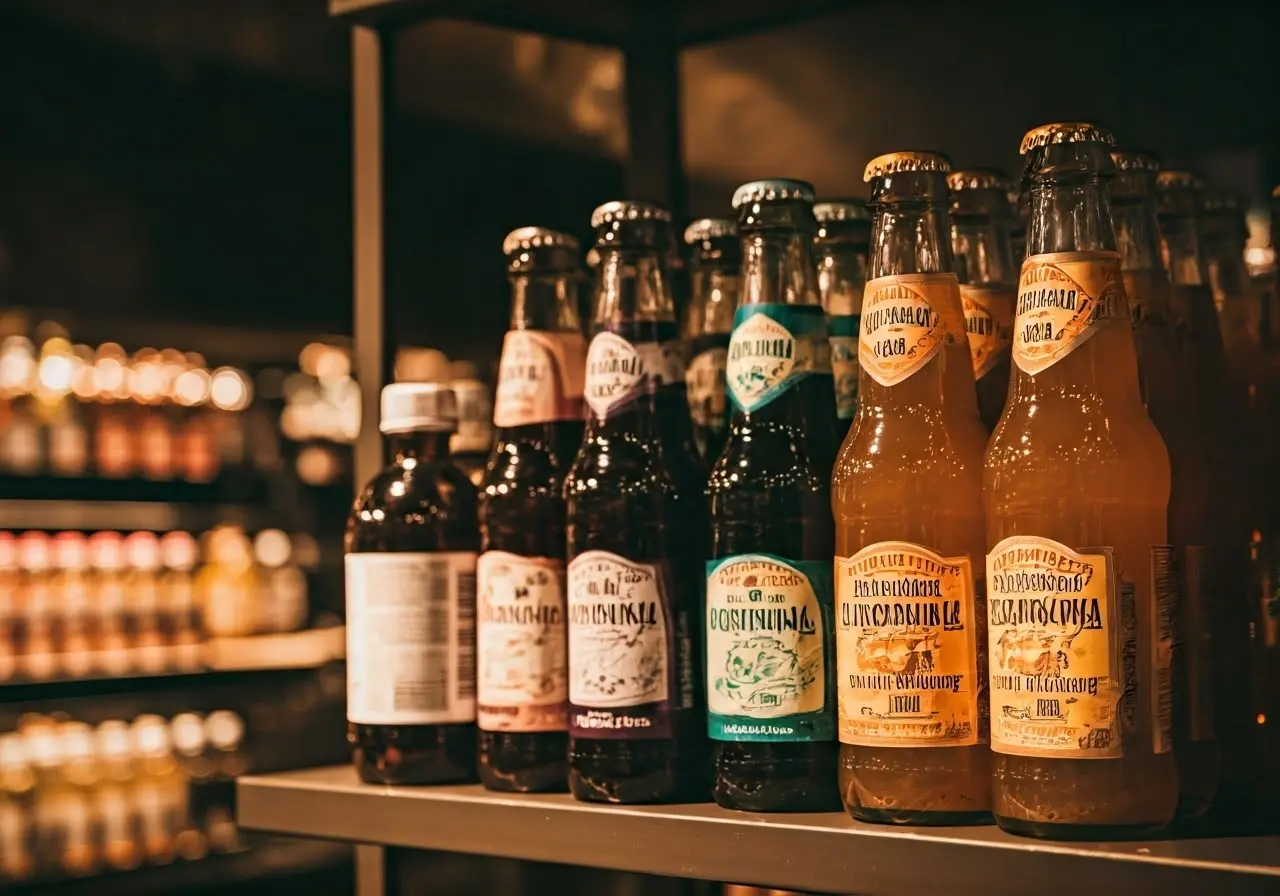
In the fast-paced world of beverages, staying ahead of trends can make all the difference. As we step into 2024, beverage labels are transforming, not just as carriers of information but as creative expressions of brand identity. Join us as we explore the emerging trends in beverage labels that are capturing consumer attention and shaping the market.
1. Minimalist Designs Lead the Way
Less is more with beverage labels in 2024. Minimalist designs that focus on simplicity and elegance are gaining popularity, offering consumers a refreshing break from cluttered packaging. This trend highlights essential information with clean lines and subtle color schemes, making it easy for brands to convey their message effectively.
This shift towards minimalism isn’t just about aesthetics—it’s about building trust. In today’s marketing landscape, transparency is key, and minimalist labels support this by being delightfully straightforward. Consumers are drawn to brands that they perceive as honest and transparent, and a clean design can communicate these values with ease. For brands, the challenge lies in crafting a label that is both minimal and memorable, ensuring the brand stands out while keeping the design simple yet impactful.
We all love a touch of elegance, and minimalist labels deliver exactly that. They often feature soft color palettes and simple typography, stripping away the non-essential to focus on what truly matters. This not only aligns with the growing consumer demand for uncluttered, user-friendly packaging but also supports a sustainable approach in line with eco-conscious design principles that are set to dominate 2024.
2. Eco-Friendly Materials Gain Momentum
Sustainability is at the forefront of consumer consciousness, and beverage labels are reflecting this shift with eco-friendly materials. Brands are turning to biodegradable, recyclable, and reusable packaging options, showcasing their commitment to the environment while appealing to ethically-minded consumers.
The surge in demand for sustainable options has led to innovation in material technology, allowing brands to offer eco-friendly solutions without compromising on quality or aesthetics. Modern eco-friendly labels might incorporate fibers from bamboo, seaweed, or other renewable resources, giving products a unique tactile and visual appeal that is hard to ignore. This approach is not just limited to the materials themselves—brands are also adopting sustainable practices throughout the entire manufacturing process, from eco-conscious inks to energy-efficient production techniques.
3. Interactive and Augmented Reality Experiences
Innovative technologies like augmented reality (AR) are making beverage labels interactive. Consumers love engaging with labels that unlock digital experiences, whether it’s a virtual tasting session, animated storytelling, or brand-origin information—adding a layer of excitement and connection to the product.
This technological leap is transforming the static nature of labels into dynamic interfaces that engage consumers in unprecedented ways. AR capabilities are particularly exciting for brands looking to create memorable experiences—imagine scanning your juice bottle to reveal a virtual orchard where the fruits were harvested! This innovation not only enriches the consumer’s experience but also offers a new dimension in storytelling, allowing brands to convey messages and brand values more compellingly.
4. Bold Colors and Unique Typography
Standing out on crowded shelves is crucial, and bold colors combined with unique typography are making beverage labels more noticeable. This trend invites creativity, allowing brands to experiment with vibrant palettes and custom fonts that capture attention and differentiate their products.
In a world where first impressions are often visual, leveraging high-impact colors and inventive typography can communicate a brand’s personality instantly. Brands are now more willing than ever to step outside conventional boundaries to explore brighter, more vivid color schemes. Additionally, unique, handcrafted fonts can add an extra layer of uniqueness, setting products apart from competitors while embodying the brand’s essence.
Beyond aesthetics, using strategic color psychology can influence consumer behavior. For instance, yellow might be associated with energy and happiness, making it ideal for a refreshing lemonade, while green could signify organic or healthy options. This nuanced approach to label design can prime consumer perceptions even before they take a sip of the product.
5. Personalized Labels for a Personal Touch
Consumers crave personalized experiences, and labels that cater to individual tastes are setting trends. Through personalization, brands can create a deeper connection with their audience, offering tailored messages or custom designs that resonate on a personal level.
The rising trend of personalization in labels leverages technology like variable data printing, which allows brands to produce labels that are individualized for different consumer segments, regions, or even single customers. Such personalization can range from custom names on bottles to labels that feature unique artwork reflecting the drinker’s personality or interests. This approach not only enhances consumer engagement but also fosters a sense of ownership and connection with the product.
6. Vintage and Retro Inspirations
Nostalgia sells, and vintage-inspired labels are making a comeback. Channelsing the aesthetics of past decades, these labels evoke a sense of tradition and authenticity, appealing to consumers who appreciate classic charm and timeless styles.
The allure of retro designs lies in their ability to tap into the collective memory of consumers—sparkling bygone eras that many find comforting and familiar. Beverage brands are reviving these styles to create an emotional connection, reminiscent of simpler times. Whether it’s through art-deco motifs or mid-century color palettes, incorporating a touch of nostalgia in their label designs affords brands an opportunity to highlight their heritage, craftmanship, or just a fun throw-back to the times of yesteryear.
7. Transparent Labels for Transparency
With consumers demanding more transparency from brands, transparent labels are on the rise. These labels provide a clear view of the product itself, symbolizing honesty and trust, while maintaining a sleek and modern look.
The strategic use of such labels aligns with the broader consumer desire for authenticity by allowing products to speak for themselves—literally! By letting the consumers peek at what’s inside, transparent labels make the product the hero of its design, communicating purity, freshness, and appeal through its visible quality. This design can be particularly effective for companies wishing to highlight the quality or clarity of their products, such as organic juices, premium spirits, or artisanal teas.