

Blog

10 Blister Packaging Trends Revolutionizing Retail Spaces in the United States
In the fast-paced world of retail, packaging isn’t just about protection—it’s about making a statement. Blister packaging is at the forefront of this revolution, offering innovative solutions that enhance not only functionality but also consumer experience. Dive into these exciting trends transforming retail landscapes across the United States.

1. Sustainable Materials and Eco-Friendly Solutions
Retailers are increasingly opting for sustainable materials in blister packaging to meet consumer demands for eco-friendly options. Biodegradable plastics and recycled content are leading the way in reducing environmental impact. This shift echoes the broader industry movement towards sustainability, as highlighted by global blister packaging market reports, which indicate a rising trend in eco-conscious packaging solutions. It’s clear that choosing sustainable materials not only supports environmental goals but also enhances brand reputation, making it a critical consideration for companies aiming to resonate with environmentally aware consumers.
Innovative eco-friendly solutions have begun to set industry standards, as observed in recent advancements like the PharmaGuard packaging concept unveiled at CPHI. This highlights how sustainable packaging is not merely a distant ideal but an active trend reshaping the market. Farmers, manufacturers, and retailers alike are realizing that eco-friendly blister packages are crucial for reducing carbon footprints.
2. Smart Packaging for Enhanced Consumer Interaction
Integrating technology into blister packaging allows consumers to interact with products in new, exciting ways. QR codes and NFC tags provide instant access to product information and promotions, enhancing the shopping experience. This technological leap isn’t merely a gimmick; it serves as a bridge to digital applications, offering retailers novel ways to connect with their consumers. As a result, packaging becomes not just a protective casing but a portal into the brand’s digital universe, opening opportunities for increased consumer engagement.
3. Customization for Personalized Consumer Experiences
Customized blister packaging enables brands to connect with their audience on a personal level. Tailored designs and personalized messages create a unique user experience that stands out on retail shelves. This trend is gaining traction as brands recognize the power of personalization in building customer loyalty and enhancing brand image. Personalization not only serves to attract attention but also fosters a sense of connection, especially in today’s age where personal expression and identity play a dominant role in purchasing decisions. It’s about creating that moment of delight, when customers see their names on a package or discover a personalized message just for them.
Brands like Arcade Beauty have already tapped into this trend by offering blister packaging for their wide range of cosmetic products, allowing consumers to feel truly special. Such strategies demonstrate how personalization goes beyond mere packaging aesthetics, profoundly impacting consumer perception and brand loyalty.
4. Minimalist Designs for a Modern Aesthetic
Minimalist designs are becoming popular in blister packaging as consumers gravitate towards simple, clean aesthetics. This trend enhances product visibility and instills a sense of elegance and sophistication. In the cluttered retail landscape, less is more; simple designs often make the most significant impact, allowing the product itself to shine unencumbered by unnecessary design elements. This shift towards minimalism reflects a broader cultural movement where consumers increasingly value function over form, opting for aesthetics that promote serenity and clarity.
5. Durability and Protection in High Demand
As consumers seek more value, durable blister packaging that guarantees product protection is gaining momentum. These designs are essential for preventing damage during transportation and extending shelf life. In sectors like pharmaceuticals, where blister packaging is not just a convenience but a necessary safeguard against contamination and damage, durability cannot be overstated. The blister packaging market has been witnessing a surge in the demand for materials that combine strength with flexibility, ensuring that products remain pristine from manufacturer to consumer.
This need for robust packaging solutions has led to innovations in materials technology, offering packaging that withstands harsh environments without compromising on safety or quality. For instance, companies like Constantia Flexibles have pioneered sustainable yet durable blister pack solutions, ensuring their products are as sturdy as they are eco-friendly.
6. Transparency and Visibility Driving Consumer Trust
Transparent blister packaging allows consumers to see the product within, fostering trust and confidence in purchase decisions. This trend proves vital in competitive retail environments where product quality is key. Transparent packaging provides an immediate visual confirmation of product integrity, which is especially crucial for items like food and drugs, where visual cues can reinforce notions of quality and freshness. By removing the barrier of uncertainty, clear packaging builds a direct line of trust between the brand and its consumer, enhancing the purchasing experience.
7. Enhanced Security Features for Product Protection
Security features in blister packaging, such as tamper-evidence seals, protect products from unauthorized access, enhancing consumer safety and satisfaction. Retailers are increasingly focusing on safeguarding their products. The added assurance provided by these security measures reflects the consumer’s rising demand for transparency and reliability in products, particularly in the pharmaceutical industry where tamper-evidence is not just preferred but mandated for consumer safety. Technologies like RFID tags and holographic seals are setting new benchmarks in securing blister packaged products against tampering or counterfeit.
8. Convenience Focused Designs for Busy Lifestyles
Consumer lifestyles are busier than ever, making convenient packaging solutions imperative. Easy-open blister packs are increasingly popular for their user-friendly designs that accommodate a fast-paced lifestyle. The convenience of blister packaging doesn’t end at its ease of use; it extends to its functionality, such as resealable features and portability. This makes them a go-to choice for daily essentials ranging from chewable vitamins to tech accessories. Consumers want products that fit seamlessly into their routine, without the fuss of complicated packaging.
9. Vibrant Graphics for Stand-Out Shelves
Bold and colorful graphics in blister packaging attract consumer attention and add an element of fun to the shopping experience. Vibrancy encourages immersion and interaction with the product. By integrating dynamic imagery and compelling colors, brands can differentiate their products in an ever-crowded retail landscape. This vibrant presentation not only draws eyes but also conveys the brand’s ethos, making it a powerful element of marketing strategy. Blister packaging thus becomes a canvas for self-expression, both for the brand and the consumer.
10. Regulatory Compliance and Safety Standards
Navigating regulatory compliance and safety standards is crucial in designing blister packaging. Ensuring compliance not only protects businesses legally but also assures consumers of product safety and quality. The complexity of navigating these regulations underscores the need for packaging solutions that are both effective and compliant. As seen with pharmaceutical blister packaging advancements, these standards are non-negotiable for companies looking to maintain trust with consumers.
Blister packs must meet stringent criteria set by bodies like the FDA and EMA, ensuring that each product is safe for consumer use and properly documented. As the packaging industry continues to innovate, it must do so within the framework of these regulatory guidelines, balancing creativity with compliance to succeed in today’s global market.

12 Key Features of Barrier Films That Improve Product Protection
Barrier films are a vital component in the world of product packaging, providing the necessary protection against various environmental factors. Understanding the key features that make these films indispensable can assist businesses in choosing the right materials for their packaging needs. Let’s delve into the essential attributes that these advanced films offer to enhance product protection.

1. Understanding Moisture Resistance
One of the foremost advantages of barrier films is their exceptional moisture resistance. This feature plays a critical role in preserving the integrity and quality of packaged contents, especially those sensitive to humidity. In an environment saturated with moisture, these films act as a protective shield, preventing water vapor from penetrating the package and spoiling the product inside. The importance of moisture resistance is further underscored by its critical role in food preservation, where prolonged exposure to moisture can lead to mold and spoilage, significantly diminishing product value.
Moisture can be a silent culprit in product degradation. It’s unseen but ever-present and can create a host of problems for products in storage. Barrier films are engineered to provide a robust seal against such threats, utilizing materials and coatings that effectively repel moisture. By doing so, they not only extend shelf life but also ensure that the products reach the consumer exactly as intended. Whether it’s keeping dry foods crisp or preventing pharmaceutical powders from clumping, moisture resistance is indispensable in maintaining product efficacy and safety.
2. The Role of Oxygen Barrier
The permeation of oxygen through packaging can lead to oxidation, a process that may significantly alter the composition of food and other sensitive products. Barrier films are specifically crafted to combat this issue by using advanced materials that reduce oxygen permeability. This not only helps maintain the freshness but also the overall quality of the product. In the case of high-performance applications like preserving delicate snacks or pharmaceuticals, the effectiveness of oxygen barrier films is unparalleled.
By controlling the oxygen transmission rate (OTR), barrier films optimize the internal atmosphere of the packaging, aiding in the retention of vital flavors, colors, and aromas. The meticulous selection of barrier properties ensures that the delicate balance is maintained without compromising the product’s sensory attributes. This feature is particularly vital in extending the shelf life of perishable goods—turning what might otherwise be a short-lived product into a long-term shelf staple.
3. Shielding from Odors
Barrier films not only guard against environmental elements but also efficiently shield the product from undesirable odor penetration. This is an often overlooked yet crucial aspect, especially in products that rely heavily on their scent appeal, such as fragrances and certain food items. By ensuring the odor doesn’t escape, these films maintain the brand’s promises on aromatic quality, preventing any intermingling of scents that might occur during transport or storage.
4. Protecting Against Light
Light exposure is another adversary of product integrity, causing degradation and chemical reactions in some products. Many barrier films offer UV protection to combat this challenge, ensuring that light-sensitive items remain intact from manufacturing to the point of sale. This is particularly valuable for keeping essential nutrients in food products and preventing color fading in non-food products. In the cosmetic industry, for instance, protecting against light is crucial for maintaining the efficacy and appearance of the final product.
5. Chemical Resistance Capabilities
Barrier films serve as a robust line of defense against chemical exposure, an essential feature in sectors ranging from pharmaceuticals to household cleaning products. They protect the product from external pollutants while preventing any reaction between the package and the contained product. This strength is achieved through the careful selection of materials and coatings that avert chemical interactions, making barrier films a safe haven for sensitive or reactive substances.
Ensuring chemical resistance is pivotal for maintaining the product’s original formulation. For products that comprise volatile compounds or those that require stability during extended periods of storage, this attribute assures consumers that the product’s integrity remains uncompromised throughout its lifecycle. Additionally, this resistance contributes vastly to consumer safety, a priority that resonates within the packaging industry.
6. Temperature Control Features
In a world where temperature fluctuations are commonplace, barrier films stand out with their ability to withstand varying thermal conditions. This makes them particularly suitable for products requiring cold chain logistics or heat-sensitive applications. Their durability under extreme temperatures ensures that the contents remain as intended, whether kept in a freezer or exposed to transient heat during transport.
This thermal resilience not only protects but also extends the flexibility of their usage across different consumer and industrial applications. Whether it’s preserving the texture of ice cream or ensuring a medication remains unaffected by ambient heat, temperature control is a pivotal consideration. In many ways, barrier films facilitate integral changes in packaging that accommodate these versatile thermal needs.
7. Enhancing Product Visibility
While protection is paramount, visibility is a feature that cannot be overlooked. Transparent barrier films offer the best of both worlds, safeguarding the product while allowing consumers a clear view of the item inside. This transparency doesn’t compromise the protective qualities of the film but instead enhances customer trust and the likelihood of purchase by providing reassurance about the product’s state.
8. Improving Product Cleanliness
In the ever-evolving world of product packaging, maximizing cleanliness is of utmost importance. Barrier films rise to this challenge with their excellent sealability, which ensures the product remains free from contaminants. This protects not only the delicate contents inside but also maintains strict hygiene standards vital in today’s health-conscious consumer market.
9. Flexibility and Customization
The impressive flexibility and customization capabilities of barrier films allow manufacturers to tailor packaging solutions to precise specifications. Be it adjusting thickness, selecting specific barrier properties, or modifying shapes to fit unique marketing designs, barrier films provide an adaptable solution that aligns with contemporary design needs. This level of customization supports brand differentiation and enhances consumer appeal by aligning packaging aesthetics with product identity.
10. Sustainability and Environmental Benefits
Incorporating eco-friendly materials, many barrier films contribute to sustainability efforts by reducing environmental impact without sacrificing protection quality. The ability to use recycled and recyclable materials in the production of barrier films helps businesses meet environmental regulations and demonstrate corporate responsibility. This integration of sustainability reflects the growing industry trend towards greener packaging, an initiative Fortis Solutions Group passionately supports.
11. Cost Efficiency in Packaging
The cost efficiency of barrier films is another attractive feature for businesses aiming to maximize their packaging budgets. By significantly reducing waste and product spoilage, these films offer an economical solution that ensures long-term investment returns. They help businesses curtail losses and optimize packaging processes, providing more bang for the buck and keeping products secure across the supply chain.
12. Enhancing Consumer Experience
Ultimately, barrier films play a pivotal role in elevating the consumer experience. By preserving the integrity of products throughout their journey from manufacturer to end user, these films cultivate customer satisfaction and foster brand loyalty. Consumers value the reliability that comes with well-protected products, and in turn, are more likely to remain loyal to brands that consistently deliver this promise.
For businesses, investing in barrier films is synonymous with investing in consumer trust. The security and assurance these films impart cannot be overstated, as they translate into enhanced brand reputation and market competitiveness. Explore our range of innovative packaging solutions to give your brand a distinctive edge.

9 Tendencias de Tea Packaging que No Puedes Ignorar en 2023
As we sip our way through 2023, the world of tea packaging continues to transform in exciting ways. From sustainable practices to personalized experiences, brands are innovating to capture a consumer base that’s ever more conscientious and diverse. In this blog, we’ll explore the latest trends in tea packaging that are setting the pace for the industry.
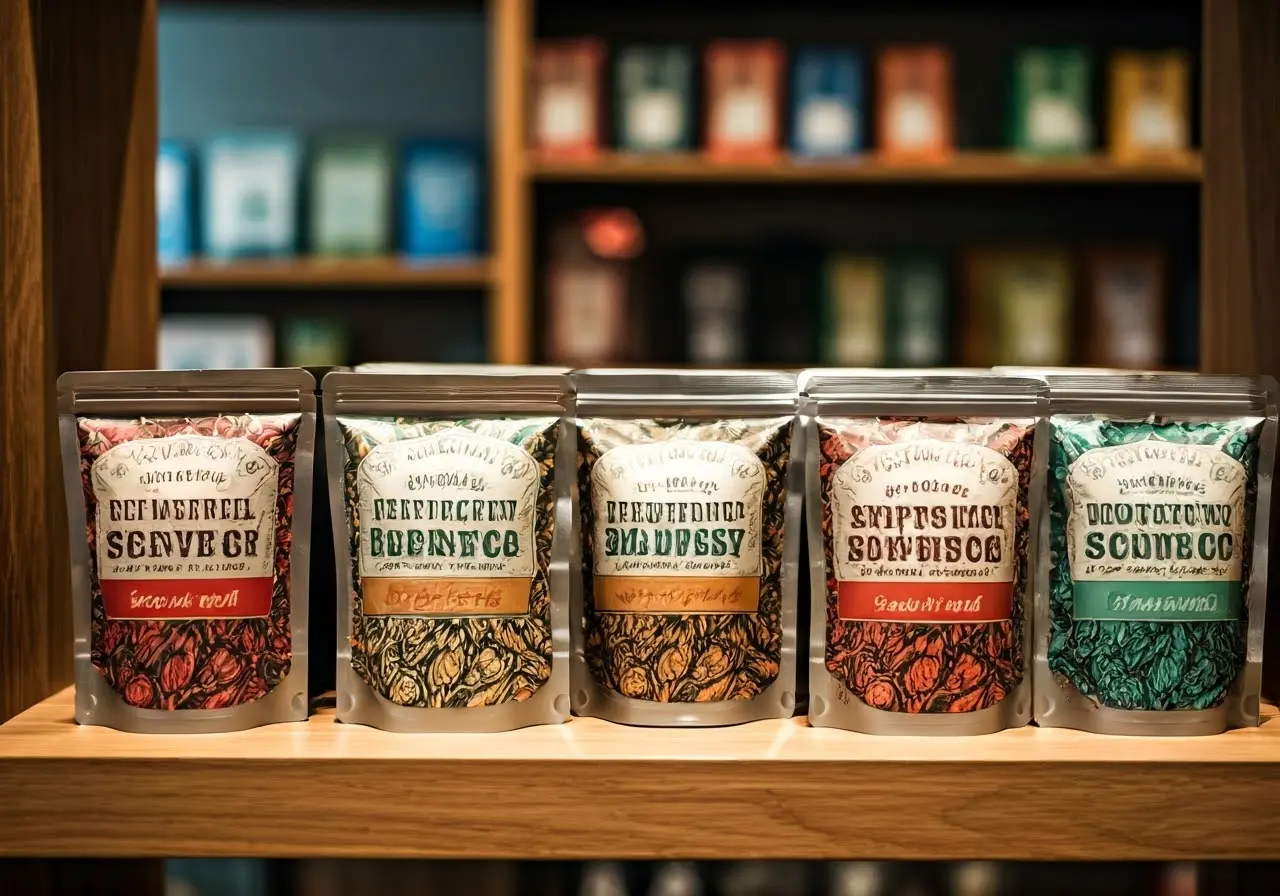
1. Embracing Sustainability
In 2023, sustainability is more than just a buzzword; it’s a fundamental expectation. Brands are opting for biodegradable and recyclable materials to minimize their ecological footprint. The shift towards sustainable tea packaging is fueled by the increasing demand for eco-friendly solutions. According to Future Market Insights, the tea packaging market is projected to reach $10.5 billion by 2033, leveraging the growing preference for sustainable options. By integrating sustainability into their packaging strategies, brands not only cater to consumer preferences but also contribute to a more eco-conscious industry.
This growing trend is not just about using eco-friendly materials but also embracing innovative designs that promote sustainability. For instance, some companies are using biodegradable tea bags that can be easily decomposed after use. These biodegradable materials help reduce waste, driving a major transformation in the industry. Packaging manufacturers are also experimenting with plant-based alternatives that promise a win-win situation for brands and the environment alike.
2. Minimalist Designs with Maximum Impact
Striking yet simplistic, minimalist packaging offers clarity in clutter. These designs use clean lines and subtle colors to convey elegance and sophistication. The minimalist trend appeals to consumers seeking to strip away the unnecessary and focus on what’s truly important—the tea itself. With brands focusing on minimalist packaging, they are able to highlight the purity and quality of their products without overwhelming consumers with excessive branding.
3. Interactive Packaging for Cultured Enthusiasts
Augmented reality and QR codes are making packaging more interactive, offering consumers a gateway into the story and provenance of their favorite teas. This innovative approach not only enhances the consumer experience but also builds a deeper connection with tea enthusiasts. Imagine scanning a QR code on your tea packaging for a virtual tour of the tea garden where it was grown. Such experiences add a layer of storytelling, allowing brands to engage directly with consumers in a unique and personalized way.
4. The Rise of Personalization
Customized packaging allows consumers to feel a personal connection with their tea choices. Whether it’s a monogram or a personalized message, brands are embracing individuality. Personalization in tea packaging caters to consumers’ desires for unique and exclusive products. It’s a trend that’s gaining momentum as brands look to create memorable experiences for their customers. Beyond just the product, customers are looking for packaging that reflects their personal tastes and values.
5. Innovative Shapes and Structures
Gone are the days of the standard box. Unique shapes and structures are creating intrigue and offering practical benefits, such as better storage and portion control. This trend is not just about aesthetics; it’s also about functionality. Innovative packaging designs can enhance the user experience by providing ease of use and ensuring the integrity of the tea. Unconventional shapes can also make products stand out on the shelves, capturing consumer attention and boosting brand recognition.
6. Fusion of Tradition and Modernity
Brands are blending traditional motifs with modern aesthetics, respecting cultural heritage while appealing to contemporary tastes. This fusion creates a packaging experience that feels both timeless and fresh. By incorporating elements of cultural significance, brands can resonate with consumers seeking authenticity and connection. At the same time, modern design elements ensure the packaging remains relevant to today’s market. It’s a delicate balance that brands are mastering, resulting in packages that tell a story while standing out in a competitive marketplace.
7. Eco-Luxe Appeal
Luxury does not have to be at odds with sustainability. Upscale materials and finishes that are also eco-friendly are drawing in discerning consumers. The eco-luxe trend combines the allure of sophistication with a commitment to environmental responsibility. Elastic energy between these two aspects appeals to consumers who are unwilling to compromise on either luxury or sustainability. In this way, eco-luxe packaging is redefining the notion of premium tea, offering products that are as good for the earth as they are for the consumer.
8. Transparency in Materials and Source
Clear packaging and transparent supply chains cater to consumers who demand to know exactly what they are buying and where it comes from. This demand for transparency is a growing trend in the market, as consumers become more informed and conscious of their purchasing decisions. Brands that can provide detailed information about the sourcing and quality of their teas can gain a competitive edge. Transparency builds trust and loyalty, encouraging consumers to make informed choices and deepening their connection with brands.
9. Tech-Enhanced Packaging Solutions
Technological advancements in packaging, such as moisture control and smart labels, are enhancing the longevity and quality of tea. These innovations ensure that teas remain fresh, flavorful, and aromatic. Smart packaging solutions not only improve the product’s shelf life but also offer added convenience for consumers. By allowing for real-time tracking of freshness, such innovative solutions enable tea consumers to have a premium experience, reinforcing their trust in the brand.
The integration of technology into tea packaging also opens new avenues for interactivity and personalization. Smart labels might offer additional information, or guide consumers in pairing teas with foods, thereby extending the tea-drinking experience beyond the cup. As technology continues to evolve, it presents endless possibilities for reshaping how we experience our favorite teas.

8 Mistakes to Avoid When Creating Beverage Labels
Creating beverage labels might seem straightforward, but there are common pitfalls that can compromise your brand’s image and effectiveness. Let’s explore these mistakes and learn how to avoid them.
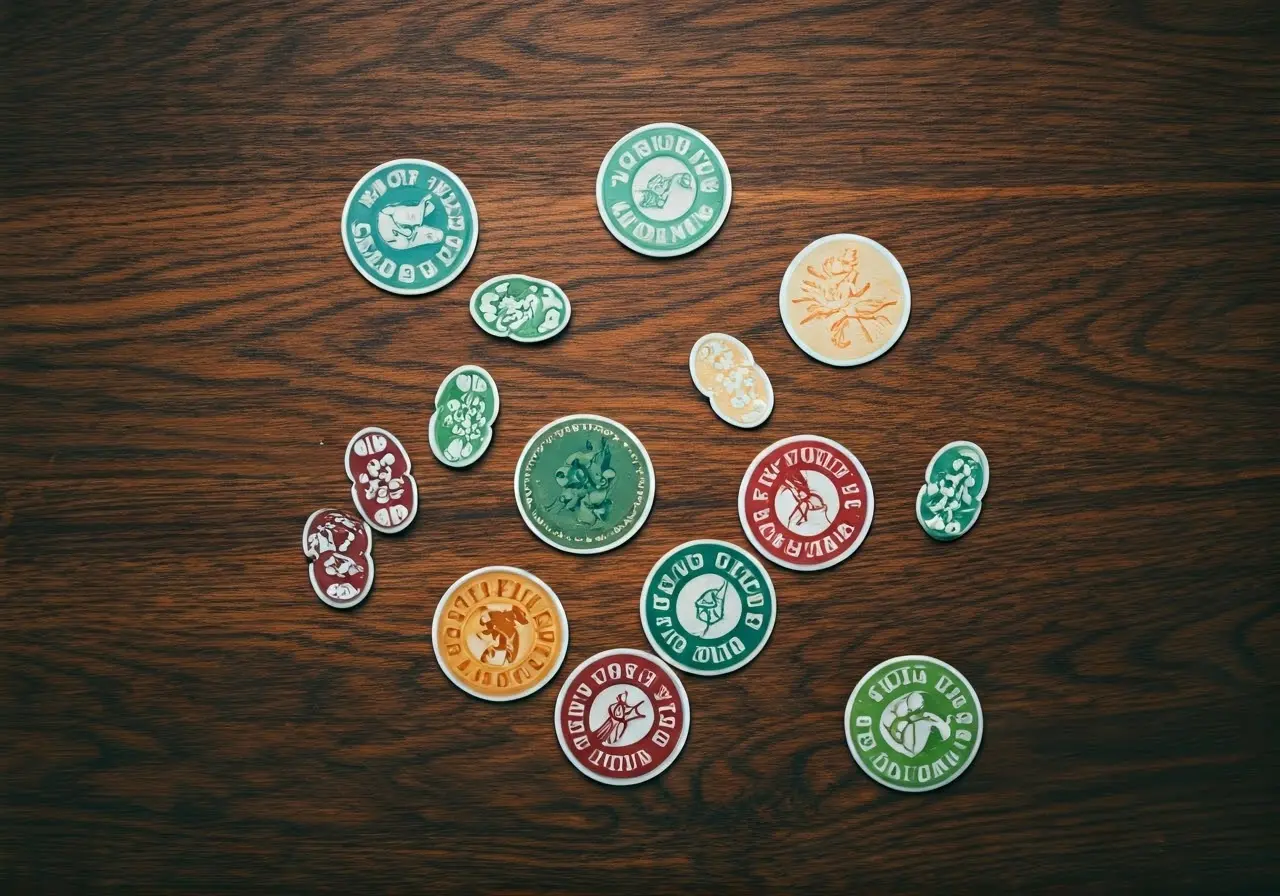
1. Ignoring Target Audience Preferences
Understanding your audience is key. Know who you’re designing for to make your labels resonate with the right people. The more aligned your labels are with the preferences and expectations of your target demographic, the more likely your product will attract attention. Generic designs can sometimes work, but they’re usually not enough to clinch customer loyalty. Dive into demographics like age, gender, and lifestyle to tailor your labels. Are you targeting health-conscious millennials? Then vibrant, fresh looks with organic textures might do the trick. Designing with the customer in mind ensures your brand’s voice comes through loud and clear.
Consider cultural and regional influences as well, which play a significant role in consumer choices. Different colors and symbols may have varying significance depending on the target market understanding your audience. By adapting your design to cultural nuances, you’ll forge deeper connections with your audience. This understanding can prevent faux pas that might detract from your brand’s credibility. An in-depth understanding will allow you to craft a label design that not only stands out but feels familiar and inviting to potential buyers.
2. Overlooking Brand Consistency
Your beverage label should align with your brand’s voice and aesthetics to maintain a cohesive brand identity. Consistency is paramount because it helps reinforce brand recognition and trust. When consumers can easily identify your product because of its consistent branding, they’re more likely to remain loyal customers. Regularly review your branding strategies to ensure that all elements—from color schemes to fonts—are harmonized across all your products. This holistic approach to branding can amplify your marketing efforts and streamline the customer experience.
Another way to reinforce brand consistency is by integrating your brand’s story and values into the label design sustainable practices. Does your brand emphasize sustainability? Utilize eco-friendly packaging and print with soy-based inks to make a subtle but powerful statement. Consistent storytelling in your design not only resonates with values-driven consumers but also differentiates your brand in a crowded market, promoting a loyal following and sparking deeper connections with your consumer base.
3. Neglecting Essential Information
Always include necessary information like ingredients, volume, and nutritional facts. These details are vital for consumer trust and legal compliance. Omitting essential information can lead to disenchantment, eroding consumer confidence in your product. Displaying accurate information transparently helps cultivate an honest connection with consumers, encouraging informed purchase decisions.
Incorporating QR codes can also be an innovative solution for presenting detailed information without cluttering the label. By scanning a QR code, consumers can access extended product information, from sourcing facts to detailed testimonials and brand stories. This offers transparency and builds trust by ensuring consumers have access to all the facts in a convenient way common packaging design errors. Additionally, double-check legal requirements related to beverage marketing in various regions to avoid fines and ensure consumer health and safety standards are met.
4. Using Unreadable Fonts or Colors
Ensure your text is legible, with fonts and color contrasts that are easy on the eyes. The readability of your label directly affects how potential customers perceive your brand. Poor legibility can frustrate consumers, leading to missed sales opportunities. Choose fonts that balance style with readability and ensure contrasting colors to highlight key information without overwhelming the eye.
A simplistic design approach can prevent overwhelming the consumer legibility tips. Choose clean, minimal fonts and a cohesive color palette that enhances the design while maintaining a strong emphasis on crucial details. Testing various color combinations and contrasting elements in different lighting conditions can help ensure readability under diverse circumstances. Ultimately, striking the right balance between creativity and functionality remains paramount for maintaining consumer satisfaction and ensuring your label resonates effectively.
5. Disregarding Regulatory Requirements
Each region has specific labeling laws. Familiarize yourself with these to avoid legal issues. Regulatory compliance can get complicated, with rules varying for allergens, nutritional information, and claims across different markets. Staying informed and updated on current labeling standards in your target regions is essential to avoid potential fines and penalties. These regulations aren’t just bureaucratic hurdles; they’re crucial for ensuring safety, transparency, and fair competition in the marketplace.
Consult with legal experts or licensing professionals who can assist in aligning your labels with government standards before production design guide for recyclability. Regular audits and adaptability to changing regulations are also wise practices. Remaining proactive can prevent costly slip-ups and reassure consumers that your business prioritizes safety and compliance, which, in turn, boosts brand credibility and long-term loyalty.
6. Opting for Subpar Printing Quality
Invest in quality printing. Poor print jobs can make your label look unprofessional and hurt your brand image. Grains or blurring could make vital text indecipherable, leading to confusion and hampering consumer trust. High-quality printing techniques will not only guarantee a polished look but also ensure that your label’s durability and vibrancy withstand challenging environmental conditions.
Priority should be placed on collaborating with printing vendors who are reliable, experienced, and aware of the latest advancements in print technology. Consider working with professionals like Fortis Solutions Group to guarantee high-grade print outputs. Incorporating frequent quality checks and utilizing advanced color management systems ensures an optimized print process, maximizing visual appeal and longevity of your beverage labels.
7. Cluttering the Design
A crowded label can overwhelm consumers. Aim for a clean, appealing design that highlights the most critical elements. It’s important to embrace minimalism by focusing on simplicity in your design to prevent your label from looking busy or chaotic. Less really can be more when it comes to effective communication.
Incorporate whitespace strategically to boost readability while guiding the consumer’s eyes through significant details. Delivering a design that is aesthetically pleasing yet informative maximizes usability and engages consumers in a meaningful way Govisually insights. Relying on consumer feedback regarding design preferences can aid in crafting impactful solutions that emphasize clarity, assuring your label stands out for all the right reasons.
8. Forgetting About Practicality and Durability
Consider the environment your product will be in. Choose materials and finishes that withstand these conditions. For instance, a beverage label needs to endure various temperatures and humidity levels, both in transit and in use. Choosing robust, water-resistant materials ensures your design remains attractive in all conditions, preventing peeling or fading.
Testing your label designs for durability can identify potential weaknesses before they reach the market. Simulating store conditions or customer use scenarios help recognize essential improvements for every design iteration. Partnerships with Fortis Solutions Group also bring a wealth of innovation in sustainable durable models, balancing aesthetics with practicality to meet the evolving demands of a conscientious and discerning consumer base.

10 Innovative Blister Packaging Solutions for Your Business
In today’s competitive market, packaging can make all the difference. Blister packaging, with its versatility and durability, has become a popular choice for many businesses. In this article, we’ll explore exciting blister packaging solutions that could help elevate your product presentation and ensure customer satisfaction.

1. Eco-Friendly Materials
As consumers become more environmentally conscious, using recyclable and biodegradable blister packaging materials can greatly impact your brand’s reputation. Incorporating sustainable materials not only helps the planet but also resonates with eco-friendly consumers, making your brand more attractive to this growing demographic. For instance, companies like Klöckner Pentaplast are leading the charge in sustainable packaging by developing recyclable plastic films and high-barrier protective materials. Such initiatives demonstrate the potential of blister packaging to meet both consumer expectations and environmental standards.
Sustainability doesn’t just end at recyclability; opting for biodegradable materials or those with a smaller carbon footprint also forms an integral part of eco-friendly packaging. By choosing to invest in sustainable options provided by leaders in the industry, businesses can now offer packaging solutions that are not only effective but also minimize environmental impacts. As these materials become more widely available, businesses will be able to choose from a broader range of options to suit their specific needs without compromising on their commitment to the environment.
2. Custom Shapes and Sizes
Tailoring blister packaging to fit your product perfectly can not only enhance its appearance but also protect it during shipping and handling. Custom shapes and sizes can also provide an opportunity to stand out on the shelves. By extending your brand’s design language into the dimensions and aesthetics of the blister packaging, you maintain consistency, making it easier for consumers to identify your products quickly. Consider consulting with experts like Fortis Solutions Group’s flexible packaging products to find the best approach for creating unique, customer-specific packaging solutions. Well-designed custom packaging not only looks appealing but also adds an extra layer of protection for the product.
Innovative design doesn’t just end with a snug fit; customization can include interactive and functional features that make your packaging more user-friendly. Picture designing a blister pack with a built-in compartment for accessories or instructions, using that extra space to convey important brand messaging or instructions for use. These design enhancements go beyond the visual appeal, contributing directly to a positive consumer experience. Hence, tailoring your packaging is not just about aesthetics, but it’s also about crafting an experience that aligns with your brand’s values and consumer expectations.
3. Tamper-Evident Designs
Ensure your customers’ safety by incorporating tamper-evident features in your blister packaging, offering both security and peace of mind. By designing packaging that reveals any tampering attempts, brands can safeguard consumer trust, essential for products such as pharmaceuticals and food items. According to Fortis’ insights on consumer safety, tamper-evident blister packaging can prevent unauthorized access and maintain the integrity of the product.
Tamper-evident designs not only protect consumers but also shield companies from potential liabilities associated with compromised goods. From a manufacturing perspective, integrating these features isn’t as complicated or costly as one might expect. Specialized adhesives, secure seals, and breakable caps are just a few cost-effective solutions that enhance packaging security without significant expense, making them viable for a range of businesses.
4. Multi-Functional Packaging
Combine multiple product functionalities in one package to enhance user experience and add value to your offerings. Multi-functional designs can integrate compartments for separate components, such as batteries or interchangeable accessories, maximizing the utility and convenience of blister packs. This is particularly beneficial for consumer electronics and some pharmaceutical products, where additional accessories are often required.
Multi-functional packaging also allows for creative stacking and compartmentalization, providing a visual cue for consumers on how to use multiple elements of a product together. Such organizational efficiency could prove indispensable across various industries, encouraging product differentiation and offering a fresh perspective on traditional packaging solutions. Customizable elements like compartments for product samples can also engage consumers, adding another layer of marketing right at the point of sale.
Moreover, multi-functional blister packaging can simplify the user journey by reducing the number of separate packages needed to fulfill a single purchase. This can decrease potential confusion and result in a cleaner, more modern aesthetic. Without sacrificing form or function, comprehensive compartmentalization can become a unique selling point that offers distinct competitive advantages in the marketplace.
5. Vibrant Printing Techniques
Use bright colors and eye-catching designs to make your blister packaging stand out on the shelves and attract more customers. Successful product presentation hinges on how effectively the packaging captures attention, and investing in advanced printing techniques, such as those used in Fortis’ comprehensive flexographic printing, can offer the sizzle brands need. High-quality printing processes can transform ordinary packaging into a visually enticing product showcase.
Leveraging captivating graphics requires more than just vibrant colors. High-resolution imagery, sophisticated finishes, and special inks can significantly elevate presentation, conveying quality and precision integral to brand identity. Moreover, implementing holographic or metallic foils adds an extra dimension to packaging, catching consumers’ eyes from afar. Detailed and imaginative designs can ignite consumer curiosity, create memorable in-store experiences, and thus, differentiate your product in a crowded marketplace.
6. Easy-to-Open Features
Improve user satisfaction by incorporating easy-to-open features that make accessing the product simple and hassle-free. Packaging that is user-friendly can significantly enhance the consumer experience, eliminating frustration and encouraging repeat purchases. Effective designs can help people of all ages and abilities access products without difficulty, boosting product accessibility and retention. Accessibility-enhancing solutions like tear strips or perforated backs are simple yet effective ways to cater to consumer convenience.
7. Interactive Packaging Options
Engage your customers by adding interactive elements such as QR codes or augmented reality to your blister packaging. This creates a bridge between physical and digital retail experiences, allowing consumers to interact with products in-new and exciting ways. By incorporating simple technologies like QR codes, brands can extend their messaging to include exclusive offers, video tutorials, or further product information, enhancing consumer engagement and perceived added value.
Augmented reality represents yet another frontier in achieving consumer engagement through packaging, offering dynamic interactions unlike any traditional packaging can provide. Imagine a consumer scanning your product only to have a digital display of information or a playful animation come to life. Such an experience builds brand loyalty by meeting consumers where they are, transforming mundane packaging into a launchpad for storytelling and innovation.

10 Reasons Why Blister Packaging is Perfect for Your Product
Are you searching for the ideal packaging solution that combines functionality and cost-effectiveness? Blister packaging could be your answer. In this article, we’ll explore why this popular packaging option is a great choice for a variety of products. From its protective properties to its convenience, discover what makes blister packaging stand out.
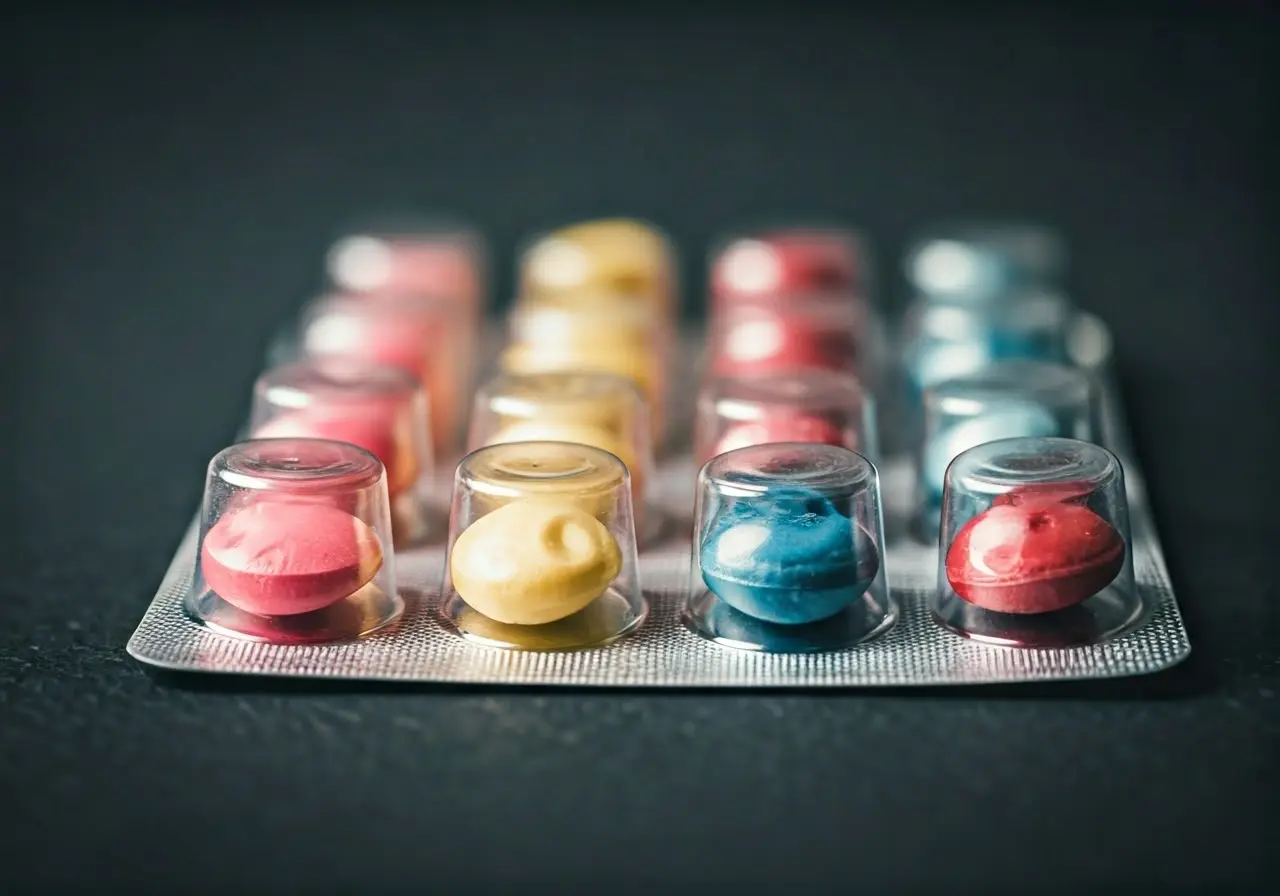
1. Maximum Protection and Security
Blister packaging provides a robust barrier that keeps products safe from external factors such as moisture, contamination, and physical damage, ensuring they reach the consumer in perfect condition. This packaging format excels in protecting pharmaceuticals, electronics, and a wide range of consumer goods from potential threats explore more about benefits.
One of the defining characteristics of blister packaging is its tamper-evident nature. A quick glance reveals whether the protection has been compromised, offering peace of mind to both consumers and vendors. In sectors like pharmaceuticals, where safety is non-negotiable, this packaging method has become a trusted ally in ensuring medications remain uncontaminated and effective discover how blister packaging enhances safety.
The construction of blister packs involves a seamless combination of a preformed clear plastic cavity and a lidding material, such as foil or paperboard. This design not only acts as a protective shell but also allows consumers to examine the product’s integrity. As a result, the potential for accidents or misuse is significantly reduced; a vital feature for pharmaceutical products that demand precise handling.
2. Cost-Effectiveness for Manufacturers
This packaging option is economical, using less material while providing adequate protection, reducing overall packaging costs for manufacturers. Its efficient use of materials like PVC and aluminum makes it both practical and affordable in mass production settings. Opting for blister packaging can lead to significant savings, particularly for products with high turnover rates.
Blister packaging’s efficient design contributes to less waste, aligning with cost-saving initiatives while supporting eco-friendly practices. Its structure requires fewer resources than traditional packaging methods, without compromising on quality or durability. Furthermore, manufacturers can increase efficiency in production and logistics by relying on this reliable packaging choice.
3. Enhanced Product Visibility
Clear blister packs allow consumers to see the product before purchasing, which can help increase sales by boosting consumer trust and transparency. This visibility is particularly beneficial in retail environments, where seeing the product firsthand can sway purchasing decisions.
In competitive markets, such as consumer electronics and cosmetics, blister packaging sets products apart by allowing their features to be immediately visible. Shoppers prefer to know exactly what they’re getting for their money, and transparent packaging provides that assurance. This visibility fosters consumer confidence right from the start.
Transparent packaging not only showcases the product but also highlights its quality, reducing the hesitation often felt with opaque packaging. When consumers can clearly see the design, color, and components of a product, it aligns expectations with reality, leading to more satisfactory purchases and an edge in consumer competition.
4. Ease of Customization
Blister packaging can be easily tailored to fit the specific dimensions and branding needs of your product, allowing for unique shapes and designs. This flexibility empowers brands to create visually appealing packages that become memorable to consumers. Customization options can reflect brand colors, logos, and even thematic designs that differentiate the product on the shelf.
Custom blister packs can also incorporate features like QR codes for enhanced user engagement, linking consumers to digital content such as product information, tutorials, or discount offers learn about design innovations. These digital compliments enhance the purchasing experience, adding value beyond the physical product.
5. Improved Shelf Life
By providing an airtight seal, blister packaging helps extend the shelf life of products, particularly those sensitive to environmental changes. The hermetic seal created by the lidding materials safeguards contents from humidity and oxygen, preserving their quality, freshness, and potency. Longer shelf life not only benefits consumers but also reduces product losses for retailers and manufacturers.
The structural protection offered by blister packaging assists in maintaining the integrity of volatile compounds and ingredients. This durability ensures impressive shelf stability, benefiting products like medications, food items, and specialized small electronics by safeguarding their vital properties over time.
6. Deters Tampering
The security features of blister packaging make it difficult to tamper with, offering added peace of mind for both sellers and consumers. The visible evidence of any tampering instantly signals product compromise, helping to prevent health hazards and protecting brands from potential liabilities.
7. Encourages Product Interaction
By showcasing the actual product inside, blister packaging invites consumers to interact with and evaluate the item, facilitating a personal connection. This interaction is crucial in encouraging trial and driving purchase decisions, particularly in crowded retail spaces where first impressions matter.
8. Eco-Friendly Options Available
With growing environmental awareness, blister packaging can be made from recyclable materials, supporting sustainability initiatives. The transition to eco-friendly packaging options such as PET is driven by consumer demand and regulatory standards, making blister packaging an environmentally responsible choice explore sustainable practices.
Innovative developments in biodegradable materials and recyclable plastics are set to reshape the blister packaging industry. Manufacturers are increasingly striving to achieve sustainability goals without compromising the inherent benefits of blister packaging, aligning with broader trends towards environmentally conscious production processes.
9. Convenience for Consumers
Consumers find blister packages easy to open and reseal, providing a convenient user experience without compromising product integrity. The practicality of blister packs meets modern lifestyles, offering a straightforward method of product retrieval while maintaining the protective benefits.
10. Versatile Across Industries
From pharmaceuticals to electronics, blister packaging is adaptable, making it suitable for a wide range of industries and product types. Its versatility allows manufacturers to package a diverse array of products with consistent quality and consumer assurance.
The cross-industry application of blister packaging attests to its comprehensive benefits, from safety and efficiency to affordability. Brands can adopt blister packaging to stand out in the market and meet the evolving needs of their consumer base while maintaining a commitment to sustainability and product integrity discover more industry practices.