

Blog

12 Advantages of Thermal Labels for Efficient Packaging Solutions
In the fast-paced world of packaging, finding efficient and reliable methods to meet your labeling needs is crucial. Thermal labels have emerged as a popular choice for many industries due to their versatility and functionality. In this blog, we’ll explore the numerous advantages these labels offer and why they might be the perfect solution for your packaging needs.
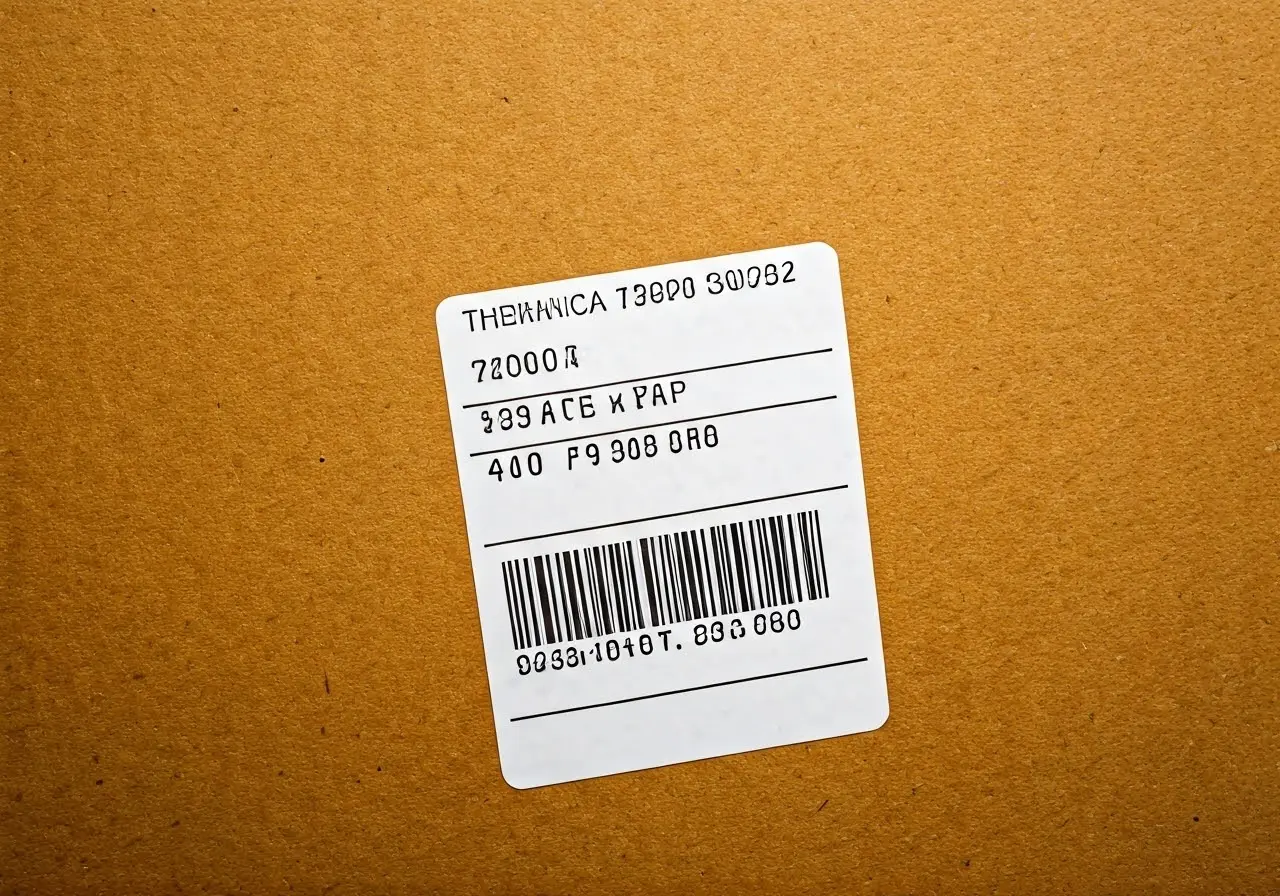
1. Cost-Effectiveness of Thermal Labels
Thermal labels are known for being budget-friendly. Without the need for ink, ribbons, or toners, they cut down on overhead expenses significantly, making them an attractive option for businesses looking to reduce costs. Additionally, by eliminating these elements, thermal printing reduces the frequency of consumable purchases, contributing to long-term savings.
Moreover, the initial investment in thermal printing technology is offset by lower operating costs. This efficiency resonates particularly with businesses seeking to optimize their expenses while maintaining a high-quality packaging process. As operational costs drop, companies can redirect savings towards other growth initiatives, making thermal labels not just cost-effective, but strategic.
2. High-Speed Printing Capability
Time is of the essence in packaging, and thermal labels excel in this department. Their quick and streamlined printing process helps maintain high productivity levels, especially during peak operation periods. High-speed thermal printing eliminates bottlenecks, allowing businesses to meet tight deadlines with ease.
Furthermore, the enhanced speed and efficiency help companies handle larger volumes of print jobs without compromising on quality. This capability is a boon for businesses experiencing demand spikes, ensuring packaging schedules remain intact while boosting client satisfaction and loyalty.
3. Durability and Longevity
Thermal labels are designed to withstand various environmental conditions, ensuring that your labels remain legible and durable over time, which is essential for shipping and storage. This durability is particularly important for products that are subject to rough handling and frequent transportation.
The robust nature of thermal labels means they are resistant to smears, scratches, and moisture, maintaining clarity until they reach the end-user. This reliability is vital for ensuring that information, such as barcodes and addresses, is preserved throughout the delivery cycle, minimizing errors and enhancing logistic efficiency.
4. Versatility in Applications
Whether it’s retail, logistics, or healthcare, thermal labels can be applied across various sectors. Their versatility allows them to adapt to a wide range of packaging requirements. This adaptability is one of their standout features, as it enables businesses to implement them across different product lines seamlessly.
From fragile glass bottles to robust cardboard boxes, thermal labels cater to diverse materials and conditions, providing aesthetic and functional consistency. This flexibility is why they are often chosen by businesses with a broad spectrum of packaging challenges, ensuring uniformity across shipments.
5. Enhanced Print Quality
With thermal labels, the print quality is consistently sharp and clear. This ensures that barcodes, text, and graphics are easily scanned and interpreted. The technology behind thermal printing achieves crispness without the need for ink, promising precision for both small and large text.
Moreover, the absence of ink fades and smudges means that high-quality prints are maintained from the production line to the customer’s hands. This consistency in print standards helps sustain a professional brand image, crucial for companies striving to uphold their market reputation.
6. Eco-Friendly Benefits
Thermal labels help in reducing carbon footprints by eliminating the need for additional printing supplies. Their materials are often more recyclable, contributing to an environmentally conscious choice. As the push for sustainability grows, businesses find thermal labeling aligns well with eco-friendly practices.
Adopting thermal labels can also enhance a brand’s green credentials, appealing to consumer demographics that prioritize sustainability. By demonstrating environmental responsibility, companies can foster goodwill and foster stronger customer engagement.
7. Simplified Maintenance
Since thermal printers don’t require ink or toner, maintenance is straightforward and hassle-free. This reduces downtime and keeps packaging operations running smoothly. The simplified upkeep means fewer disruptions in production lines, allowing for consistent output.
This ease of maintenance also liberates workforce resources, enabling staff to focus on core tasks rather than printer troubleshooting. The result is not only operational savings but also improved productivity and worker satisfaction, enhancing overall business efficiency.
8. Compatibility with Various Printers
Thermal labels are compatible with several types of printers, making them a flexible option for different business setups and equipment. This compatibility means businesses do not need to overhaul existing systems to integrate thermal labels, saving both time and resources.
The wide range of compatibility also allows for seamless transitions during equipment upgrades, ensuring continuity in operations without requiring major retraining. For companies that prioritize technological adaptability, thermal labels present an ideal solution.
9. Temperature and Chemical Resistance
Thermal labels can handle fluctuations in temperature and exposure to chemicals, ensuring that print remains unaltered under various conditions. Their resilience makes them suitable for environments where labels are exposed to harsh elements, safeguarding vital data against degradation.
This resistance capability extends the usability of thermal labels, broadening their application across industries from healthcare to manufacturing. It’s an essential feature for businesses where robust labeling solutions are critical to maintaining the quality and safety of products.
10. Ease of Use and Setup
These labels are user-friendly, simplifying the printing process for operators and allowing quick setups in busy environments. The intuitive design of thermal printers makes it easy for staff to learn and operate, reducing training time and error rates.
Ease of use also extends to quick label changes and minimal intervention, enabling businesses to maintain their pace without interruptions. This smooth operational flow is particularly beneficial during high-demand periods, emphasizing the strategic value of thermal labels.
11. Customizable Options Available
Thermal labels can be customized to suit specific branding needs, offering businesses the ability to personalize their packaging efficiently. This customization capability covers aspects such as size, shape, and color, giving businesses creative freedom.
Brands can leverage this flexibility to enhance their visibility and reinforce their identity in a crowded marketplace. By utilizing custom thermal labels, companies can ensure that every package aligns with their marketing objectives, fostering brand consistency and customer recognition.
12. Consistent Supply Availability
A wide supply network ensures that thermal labels are always within reach, preventing any delays in packaging operations due to a lack of materials. This reliability in supply chains helps stabilize production schedules and avoid costly disruptions.
For businesses, dependable supply signifies fewer inventory-related stresses, allowing them to focus on growth and strategic planning. The assurance of consistent availability helps maintain high levels of operational efficiency, directly impacting service delivery and customer satisfaction.

The Psychology Behind Packaging: Unwrapping Consumer Behavior

The Psychology Behind Packaging: Unwrapping Consumer Behavior
Packaging isn’t just about protecting products; it’s a critical touchpoint in the consumer experience, wielding psychological power through color, shape, material, and even sound. Let’s delve into how these elements shape consumer behavior, perception, and ultimately, sales.
The Color of Desire
- Color Psychology: Colors aren’t just visually appealing; they communicate at a subconscious level. For instance, red can evoke urgency or appetite, often used by fast-food chains like McDonald’s. Blue, on the other hand, suggests trustworthiness and serenity, perfect for tech or health brands like IBM or Dove.
- Case Study: When Tropicana changed its packaging from a traditional orange with a straw to a more modern, clean look in 2009, sales dropped significantly. Consumers didn’t recognize the new packaging, leading to a $35 million loss and a swift return to the old design. This highlights how color consistency can anchor brand identity and consumer trust.
Shapes That Sell
- Shape Psychology: The shape of packaging can influence perception of the product’s size, quality, or even its taste. Angular shapes might convey precision and efficiency, while curves suggest comfort and organic nature.
- Case Study: Pringles’ unique tube-shaped packaging not only protects the chips but also creates a memorable brand identity. This shape influences consumers to see the product as premium, contributing to higher perceived value and brand recognition.
Material Matters
- Touch and Feel: The tactile experience of packaging can convey luxury or affordability. Materials like glass or metal suggest high quality, whereas plastic might be associated with convenience or disposability.
- Case Study: Apple’s switch to thinner, lighter packaging for its products like the iPhone not only reflects the product’s sleek design but also enhances the unboxing experience, making it feel more luxurious and exclusive.
The Sound of Success
- Auditory Engagement: The sound of packaging, from the crinkle of a snack bag to the pop of a champagne cork, can influence perceptions of freshness, quality, or even the product’s premium nature.
- Case Study: The distinct sound of opening a Toblerone bar has become part of its brand experience, enhancing the perception of indulgence and quality.
Interactive Packaging
- Engagement Through Design: Packaging that invites interaction, like pull tabs, windows, or even augmented reality features, can significantly increase consumer engagement.
- Case Study: Coca-Cola’s “Share a Coke” campaign, where names were printed on bottles, not only boosted sales but also made the packaging a personal and interactive experience, turning consumers into brand ambassadors.
Sensory Synergy
When all these elements—color, shape, material, and sound—work in harmony, they create a sensory synergy that can elevate a brand far beyond its product. Here’s how:
- Perceived Value: Packaging can make a product seem more valuable, justifying a higher price point.
- Brand Loyalty: Unique and appealing packaging can foster brand loyalty by creating a memorable experience.
- Market Differentiation: In crowded markets, innovative packaging stands out, helping products to be noticed and remembered.
Packaging is a silent salesman, psychologist, and storyteller all rolled into one. By understanding and leveraging the psychological impacts of packaging design, companies can not only increase sales but also deeply connect with consumers on an emotional level. As we’ve seen with various case studies, even small changes in packaging can lead to significant shifts in consumer behavior and brand perception.
In this digital age, where physical touchpoints are becoming rarer, packaging remains one of the few tangible interactions between brand and consumer. It’s not just what’s inside that counts; how you wrap it up matters just as much. If you’re looking to visually explore these concepts further, I can generate images to complement this discussion.
Share Now!
Contact Us

How to Design stickpack Packaging That Works for Your Brand
Why Does Stickpack Design Matter?
A stickpack gives a designer a few square inches to identify the brand, name the product, signal the flavor, carry the required copy, and make someone pick it up. There’s no room for a choice that isn’t pulling weight, and design decisions on this format reach further than appearance: they affect how easily the pack opens, whether the text reads at arm’s length, how well the product stays protected, and how smoothly the packs run on a filling line.
This guide is about how to design stickpacks, from planning through production readiness. If you’re still weighing whether the format fits your product in the first place, start with our guide to the benefits of stickpacks and come back when the format’s decided.
What Should You Know Before Designing a Stickpack?
Visual design should be the second phase of the project. The first is a planning conversation that answers the questions the design has to serve:
- What’s inside? Powder, granules, gel, or liquid each shape the pack’s structure, dispensing behavior, and material requirements.
- How much per serving? Dose size drives pack dimensions, which drives how much printable space the design gets.
- When and where is it used? A pre-workout torn open at the gym, a sweetener at a café table, and a serum sample in a subscription box each set different priorities for opening, dispensing, and messaging.
- Who’s using it? The audience shapes tone, typography, and how much instruction the pack needs to carry.
- What’s the distribution path? Retail shelf, sampling program, travel kit, and promotional mailer each present the pack differently and put different demands on durability.
- What has to be on it? Regulatory and required copy is non-negotiable and often larger than expected. Scope it before design starts, not during final review.
- How will it be filled? Manual filling forgives variation; high-speed multi-lane equipment doesn’t. Knowing the production path early prevents redesigns later.
Get these answers down before anyone opens a design file. The best stickpack designs start with the product and use case, and the concepts follow from there.
How Can stickpack Design Improve Usability?
Usability is where stickpack design earns or loses consumer loyalty, one opening at a time. A pack that tears cleanly and pours where it’s aimed becomes invisible in the best way. A pack that shreds, sprays, or resists opening gets remembered for the wrong reason.
Design for the moment of use:
- Tear performance. A well-placed tear notch and a construction engineered to tear cleanly matter more to the daily experience than any graphic. Directional films and easy-tear constructions make opening predictable instead of lucky.
- Pour control. The narrow opening is the format’s advantage; the design should support it. Consider where the tear line sits relative to how the consumer will aim the pack at a bottle, cup, or mouth.
- Grip and handling. The pack gets held, shaken, folded, and squeezed. Finishes and dimensions affect how secure that feels, especially with wet or gym-chalked hands.
- Portion clarity. If the consumer needs to know it’s one full serving, say so where they’ll see it at the moment of use.
- Leak resistance. For gels and liquids, seal integrity is a usability feature, not just a protection feature. A pack that seeps in a gym bag doesn’t get repurchased.
One thing worth planning for: usability features interact with construction and production. A tear feature that works beautifully in a hand sample still has to run reliably on high-speed multi-lane stickpack equipment, which is why usability decisions should be made alongside structural ones rather than after.
How Should Branding Work on a Small Stickpack Format?
The instinct on a small format is to shrink the full brand system down until it fits. The better approach is to decide what the brand’s one or two strongest signals are and let them own the space. On a crowded shelf or in a variety pack, a shopper identifies a stickpack by color and one word, not by reading it.
Principles that hold up on the format:
- Establish hierarchy ruthlessly. Brand or product name first, flavor or variant second, everything else third. If three things compete for first, nothing wins.
- Let color do the identification. Consistent brand color makes the pack recognizable at a distance; flavor color-coding makes variants sortable at a glance. Both work harder than any logo lockup at this size.
- Keep variants systematic. A product line reads as a family when layout stays fixed and only the variant cues change. Redesigning each flavor from scratch wastes the recognition the first SKU built.
- Stay consistent with the larger packaging. The stickpack usually lives inside or beside a carton or pouch. When the single pack echoes the parent package, each one reinforces the other.
How Much Copy Should Go on a stickpack?
Less than the first draft has. Prioritize the product name, one key benefit or descriptor, the flavor, the serving cue, and whatever copy is legally required. Everything else, including the brand story, the full instructions, and the ingredient education, belongs on the carton, the pouch, the display, or behind a QR code. Overcrowding is the most common stickpack design failure, and it’s self-inflicted: every added element makes every other element smaller and weaker.
How Can Color and Finish Help Products Stand Out?
Color strategy on stickpacks runs in two directions, and both work when they’re deliberate. Bold, saturated color wins visibility in busy retail sets and variety displays. Restrained, minimal palettes signal premium positioning, especially in supplements and personal care. The mistake is landing in the middle by accident.
Finish adds a second layer: matte reads modern and premium, gloss makes color vivid, metallic and tactile finishes give the pack a quality shoppers register the moment they pick it up. Finishes should be chosen with the material and print process in mind, since not every effect is available on every construction, and a finish that complicates production may not be worth its shelf impact.
How Do You Keep Stickpack Text Readable?
Readability on a stickpack fails quietly. Copy that looked fine enlarged on a designer’s monitor becomes a gray smudge at actual size, and nobody catches it until the packs are printed.
The technical guardrails:
- Set a real minimum type size and hold every element to it, including the required copy. If required text can’t fit legibly, the layout needs to change, not the point size.
- Demand contrast. Text over busy graphics, low-contrast color pairs, and thin type reversed out of dark backgrounds all degrade fast at small sizes and on flexible film.
- Mind the curve. A filled stickpack isn’t flat. Copy near the edges wraps away from the reader, so keep critical text in the center of the panel.
- Plan for codes. Lot codes and date codes need a designated clear zone where they’ll print and scan reliably, not wherever space is left over.
- Proof at actual size. Print the design at 100%, fill a sample if you can, and read it at arm’s length. This single habit catches most readability failures before production does.
The test is simple: the pack should communicate at a glance on the shelf and read comfortably in the hand. If it needs to be brought close to the face and rotated toward the light, the design isn’t done.
What Materials and Finishes Should You Consider?
Material selection is a design decision, even though it rarely gets treated like one. The film structure determines what the print looks like, how the pack tears, how it feels in hand, and whether the product inside stays fresh, and no graphic survives the wrong substrate.
Work through the requirements in this order:
- Protection first. Moisture, oxygen, and light sensitivity set the barrier requirement, and the barrier requirement narrows the material options. A hygroscopic powder and a shelf-stable sweetener don’t get the same film.
- Function second. Tear performance, seal integrity, and durability through shipping and handling all come from the construction. These are the properties that make the usability features above actually work.
- Appearance third. Within the materials that satisfy protection and function, choose for print quality and finish. Modern films print beautifully, but options vary by structure, so the design and material conversations should happen together.
- Production always. The material has to run on the intended filling equipment at the intended speed. A film that jams lanes or seals inconsistently costs more than any material savings.
How Should Sustainability Fit into Stickpack Design?
Sustainability belongs in the material conversation, held to the same standard as every other requirement. Real options exist: material reduction, responsible sourcing, PCR content, and constructions designed with end-of-life in mind. Which ones apply depends on the product’s barrier needs and the recycling infrastructure in the markets where it sells.
Two disciplines keep this honest. First, don’t put a claim on the pack that the specific material can’t support; “eco-friendly” with nothing behind it invites scrutiny the brand doesn’t want. Second, don’t trade away product protection for a sustainability story: a greener film that shortens shelf life and increases spoiled product hasn’t reduced anything.
What Innovative stickpack Features Are Worth Considering?
Innovation on this format is only interesting when it does a job. The features below have earned their place on real packaging; the filter for each is whether it improves usability, brand connection, education, traceability, promotion, or shelf impact for your specific product.
- Easy-tear and ergonomic features that make the pack more pleasant to use daily
- QR codes and interactive elements that extend the pack’s limited space
- Textured and tactile finishes that differentiate in hand
- Transparent or window concepts where showing the product builds appetite or trust
- Limited edition, seasonal, and promotional versions that keep a familiar product fresh
- Personalization and versioning for campaigns, cohorts, or channels
- High-impact graphics designed for the multipack and display context, not just the single unit
When Do QR Codes or Interactive Elements Make Sense?
A QR code earns its space when it carries something the pack can’t: full instructions or recipes, expanded supplement facts and product education, how-to-use content, authentication for products where counterfeiting is a concern, loyalty and promotion mechanics, or the detailed sustainability information that shouldn’t be compressed into an on-pack claim. It wastes space when it links to a homepage. Decide the destination and its job before adding the code, and place it where it scans reliably on a filled, curved pack.
When Do Limited Edition or Promotional Stickpacks Make Sense?
The stickpack’s low per-unit footprint makes it a natural vehicle for short-run marketing: seasonal campaigns, product launches, trade show and event sampling, retail promotions, collaborations, and trial-size programs. It’s also a low-risk way to test a new flavor or SKU before committing to full-size packaging. The design consideration is keeping the promotional version recognizably part of the brand family, so the equity flows back to the core product when the campaign ends.
How Can Design Support Product Protection?
It’s worth saying plainly: a stickpack can have flawless branding and still fail if the structure doesn’t protect the product. Clumped powder, oxidized contents, or a seal that let moisture in undoes every design decision that came before it.
Protection requirements to design around rather than after:
- Barrier performance matched to the product’s moisture, oxygen, and light sensitivity
- Seal integrity strong enough for the distribution path, from warehouse to gym bag
- Durability through shipping, handling, and temperature swings in transit
- Shelf life targets, which set the bar for everything above
The practical implication for designers: confirm the material and construction before finalizing artwork, since the substrate affects printable area, finish options, and how graphics render. Structure and design developed together produce a pack where neither compromises the other.
How Can Design Support Production Performance?
The last audience for a stickpack design is the production line, and it’s the least forgiving one. Design choices that look harmless in a mockup can slow filling speeds, break print registration, or push waste rates up across a run.
Production-aware design means:
- Respecting seal areas. Graphics that intrude into seal zones distort or interfere with sealing. Keep the dieline’s clear zones actually clear.
- Designing for registration. High-speed printing on flexible film has tolerances. Layouts that depend on hairline alignment between colors or on graphics meeting exactly at a seal will show every variance across a run.
- Placing tear features deliberately. Tear notches and easy-open features are part of the converting process, and their placement interacts with both the design and the equipment.
- Thinking in lanes. On multi-lane stickpack machines, consistency across lanes and across runs is the goal. Simple, well-toleranced designs reproduce reliably; fragile ones drift.
- Reducing waste by design. Efficient layouts and realistic tolerances reduce rejected packs, which matters more as volumes grow.
The pattern across all five: evaluate the design against the production process before production starts. Problems found on the line are the most expensive kind to fix.
What Stickpack Design Mistakes Should Brands Avoid?
The recurring failures are consistent enough to list:
- Treating the pack like a tiny billboard and cramming the full brand system onto it
- Overcrowding the layout until nothing reads
- Chasing a trend at the expense of usability
- Low-contrast text that disappears at actual size
- Discovering required copy after the design is finished
- Choosing a material for its look without checking it against the product
- Making sustainability claims the material can’t back up
- Ignoring tear performance until consumers complain
- Never testing how the pack actually dispenses or pours
- Designing without asking how the pack will be filled and at what speed
- Copying another product’s format without adapting it to your product’s use case
Every item on this list traces to the same root cause: treating design as a visual exercise instead of a packaging decision. The planning questions at the top of this guide are the antidote.
How Do You Choose a Stickpack Packaging Partner?
Design quality is capped by what the packaging partner can execute, so evaluate partners on the intersection of design and production rather than either alone. The useful questions: Do they have real flexible packaging experience with stickpacks specifically, or are stickpacks a sideline? Can they advise on materials and constructions from your product’s requirements, or do they quote from a standard menu? Will they support design and prepress so the artwork arrives production-ready? Can their equipment, quality systems, and capacity handle your volumes now and after the product grows? And when something about your project doesn’t fit the standard path, do they problem-solve or steer you back to what’s easy for them?
A partner who engages with the design and the production questions in the same conversation is the one who’ll catch the expensive problems while they’re still cheap.
How Can Fortis Help With Stickpack Design and Packaging?
Designing an effective stickpack takes more than choosing colors and graphics. The right solution supports the product, the brand, the consumer experience, and the production process at the same time, and decisions in each area affect the others.
Fortis Solutions Group helps brands develop custom stickpacks and other custom flexible packaging that balance shelf appeal, usability, material performance, and production needs. From Easy Tear construction and print quality to material guidance and scalable production support, Fortis works with brands to create stickpack packaging that performs in the real world.
Explore Fortis’ flexible packaging capabilities or connect with the team to talk through your stickpack project.

4 Reasons Why Sustainable Snack Packaging is the Future
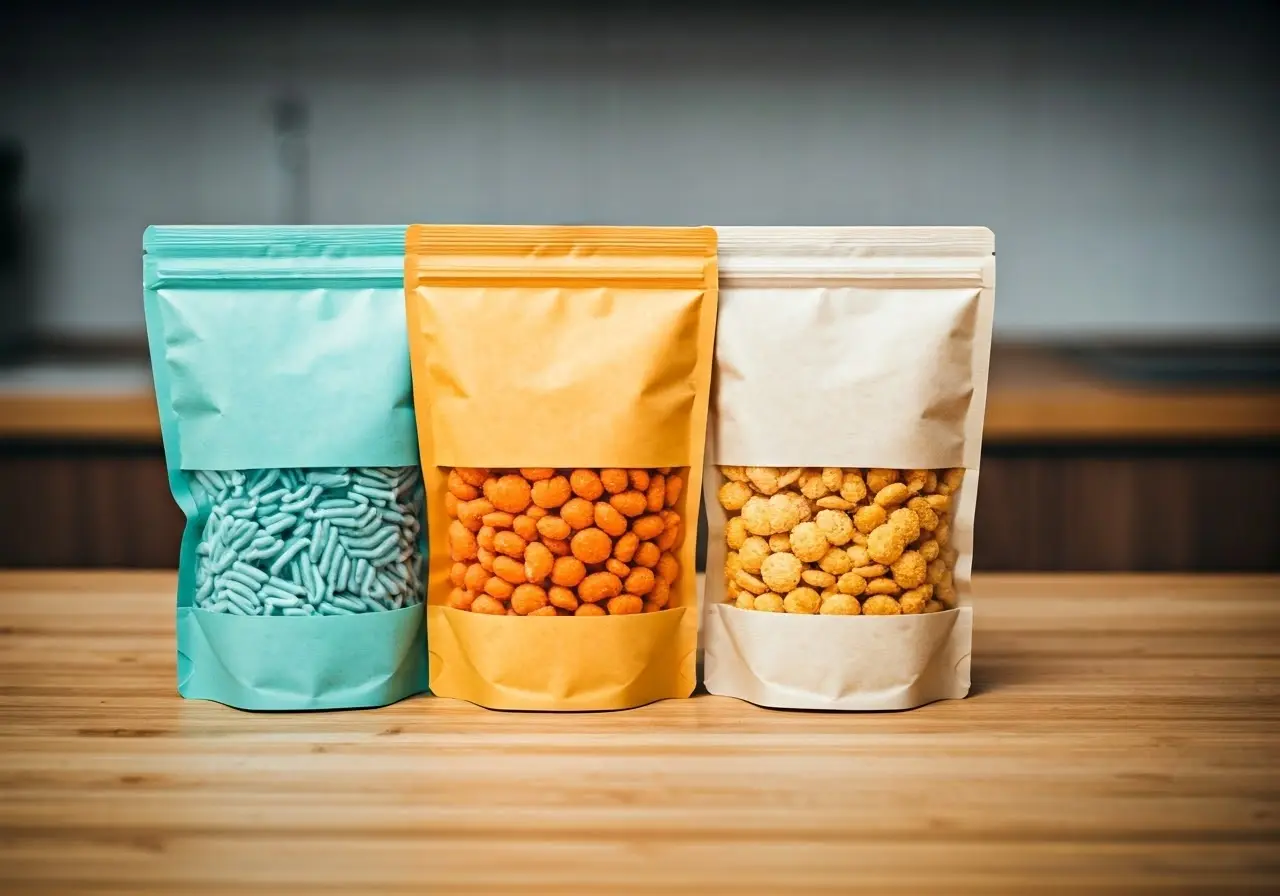
In recent years, there has been a growing focus on sustainability across various industries, with snack packaging at the forefront. As consumers become more environmentally conscious, the demand for eco-friendly packaging solutions has skyrocketed. Let’s delve into why sustainable snack packaging is not just a trend, but the future.
1. Reducing Environmental Impact
One of the most significant benefits of sustainable snack packaging is its potential to reduce environmental impact. Traditional packaging often ends up in landfills, contributing to pollution and waste. Sustainable options, however, are designed to be biodegradable or recyclable, helping to minimize waste and promote a cleaner environment.
Moreover, by minimizing the use of non-renewable resources, these eco-friendly packaging options play a crucial role in conserving our planet’s limited natural resources. The widespread adoption of sustainable packaging materials, such as recycled paper and compostable components, fosters an eco-conscious mindset that encourages both businesses and consumers to make better choices. Additionally, reducing our dependency on fossil fuels for traditional packaging production can significantly mitigate the negative impacts of industrial manufacturing on the planet.
2. Responding to Consumer Demand
Today’s consumers are increasingly aware of the environmental consequences of their purchases. As such, there’s a growing demand for products that align with sustainable practices. By adopting eco-friendly packaging, brands can attract environmentally conscious consumers, building loyalty and trust in the process.
Responding to this shift in consumer behavior has become paramount for businesses aiming to maintain competitiveness. A significant portion of modern shoppers prefer brands that demonstrate a commitment to sustainability. This trend is particularly evident among younger generations, who tend to prioritize ecological responsibility in their purchase decisions. Leveraging this demand by transitioning to sustainable packaging solutions can thus create a direct line to these valuable consumer segments, translating into long-term business success.
3. Innovation in Packaging Materials
Sustainable snack packaging has spurred exciting innovations in materials. From plant-based plastics to edible packaging, companies are exploring creative ways to reduce waste and improve sustainability. These innovations not only benefit the environment but also encourage further advancements in packaging technology.
One notable example is the development of biodegradable films that can safely break down without leaving harmful residues. Such innovations demonstrate the vast potential for the snack packaging industry to balance functionality with environmental stewardship. Efforts are not limited to material composition; companies are also enhancing packaging designs to use minimal materials while maintaining durability. As creativity continues to unlock new possibilities, the combined strength of scientific advancement and consumer interest is setting the stage for a transformative future in packaging.
The future of packaging materials is not just about finding alternatives but also about making these options more accessible and cost-effective for businesses. For example, the use of algae-based packaging reduces reliance on traditional plastics and opens new frontiers for innovation. The idea is not only to replace existing materials but to create a circular economy where packaging waste serves as valuable feedstock for new products or energy, ultimately contributing to our shared sustainability goals.
4. Economic Benefits for Businesses
While there may be initial costs in switching to sustainable packaging, the long-term economic benefits are substantial. Companies can reduce their carbon footprint and potentially lower packaging costs by opting for renewable resources. Additionally, sustainability can be a powerful marketing tool, attracting new customers and increasing brand value.
Moreover, integrating sustainable practices can significantly enhance a brand’s reputation, leading to increased market share and customer loyalty. Businesses often discover that by investing in eco-friendly innovations, they not only streamline their operations but also uncover additional savings over time. For instance, lightweight materials often incur lower transportation costs due to reduced fuel consumption. By embracing sustainable practices, businesses position themselves as leaders in the industry’s future, appealing to stakeholders, investors, and customers alike.
Additionally, transitioning to sustainable packaging provides opportunities for companies to engage in meaningful partnerships and collaborations. Building a network of like-minded partners who emphasize ecological responsibility can foster a more resilient supply chain. Such strategic collaborations support continuous innovation and resource sharing, further driving the growth of sustainable practices across the industry.

The Evolution and Importance of Retail Ready Packaging

In today’s fast-paced retail environment, businesses are constantly seeking ways to optimize operations, enhance the shopping experience, and drive brand visibility. Retail Ready Packaging (RRP) has emerged as a game-changer, revolutionizing the way products are displayed, accessed, and purchased in stores.
What is Retail Ready Packaging?
Retail Ready Packaging refers to packaging designed to simplify the process of stocking shelves, displaying products, and providing convenience for both retailers and consumers. Often referred to as shelf-ready or display-ready packaging, RRP enables products to go directly from shipment to the store shelf with minimal handling.
Key Features of Retail Ready Packaging
To meet the definition of RRP, packaging should include the following attributes:
- Ease of Identification: Clear labeling for quick recognition by store employees and customers.
- Effortless Opening: Designed for easy and damage-free unpacking.
- Efficient Shelving: Facilitates quick stocking and reduces labor time.
- Strong Brand Visibility: Enhances shelf presence with attractive designs and branding.
- Sustainability: Often made from recyclable or eco-friendly materials to align with consumer and retailer demands.
Benefits of Retail Ready Packaging
- Streamlined Supply Chain Operations
RRP reduces the time and effort required to stock shelves, improving supply chain efficiency. Pre-packed and organized displays mean fewer steps between delivery and availability on the retail floor.
- Enhanced Shopper Experience
By organizing products neatly and ensuring consistent presentation, RRP makes it easier for shoppers to locate and choose items. This leads to better customer satisfaction and potentially higher sales.
- Cost Savings for Retailers
Retailers benefit from reduced labor costs and faster restocking times. Additionally, minimizing handling helps reduce damage to products, saving money in the long run.
- Stronger Brand Messaging
Customized RRP acts as an in-store marketing tool, showcasing logos, colors, and messaging that capture consumer attention. This is particularly crucial in competitive categories where shelf appeal can make or break a sale.
- Environmental Benefits
Many RRP solutions focus on sustainability, using materials like corrugated cardboard that are both sturdy and recyclable. This aligns with growing consumer preferences for eco-friendly practices.
Applications of Retail Ready Packaging
RRP is used across various industries, including:
- Food and Beverage: Displays for snacks, drinks, and pantry staples.
- Personal Care Products: Soaps, shampoos, and skincare items.
- Household Goods: Cleaning supplies and small appliances.
- Electronics: Accessories like headphones, chargers, and batteries.
Trends in Retail Ready Packaging
- Digital Printing for Customization
Advancements in digital printing allow for high-quality, customizable designs, making RRP more adaptable to seasonal promotions or limited-edition launches.
- Increased Focus on Sustainability
Eco-friendly materials and designs that minimize waste are becoming the norm, driven by consumer demand and regulatory pressures.
- Smart Packaging Features
Integration of QR codes or RFID technology into RRP enables interactive experiences, providing product information or promotional offers directly to consumers.
Challenges and Considerations
While RRP offers numerous advantages, it also comes with challenges, such as:
- Balancing durability and sustainability.
- Managing design complexity to ensure both functionality and aesthetic appeal.
- Aligning with retailer-specific requirements and guidelines.
Conclusion
Retail Ready Packaging is no longer a “nice-to-have”—it’s a necessity for brands aiming to succeed in today’s competitive retail landscape. By optimizing supply chain operations, enhancing customer experiences, and promoting sustainability, RRP provides a comprehensive solution that benefits manufacturers, retailers, and consumers alike. As trends continue to evolve, businesses that embrace innovative RRP solutions will be well-positioned to lead in their respective markets.
Share Now!
Contact Us

10 Clever Ways to Use Removable Labels in Your Small Business
Running a small business comes with its own set of challenges, and keeping things organized is often high on the list. Removable labels can be an absolute game-changer in this regard. Not only are they versatile, but they also leave no residue behind, making them perfect for various applications. Whether you’re looking to streamline your operations or enhance your marketing efforts, these clever uses for removable labels might just inspire you.

1. Organize Your Inventory with Ease
Keeping track of inventory is crucial for any small business. With removable labels, you can easily tag products with their names, prices, or codes, and update them whenever necessary without leaving a sticky mess. This flexibility is particularly beneficial for businesses dealing with seasonal products or constantly changing stock. By implementing a standardized labeling system, you ensure accuracy in inventory management, allowing for better forecasting and purchasing decisions. This method not only saves time but also reduces waste by eliminating the need to dispose of and replace permanent labels every time your inventory shifts. Consider using high-quality, durable labels that offer the best of both worlds in clarity and convenience.
2. Streamline Shipping and Receiving
Simplify your shipping and receiving processes by using removable labels on packages and shipments. This ensures that each package has the correct destination and details, and they can be peeled off as soon as they arrive, making them perfect for reuse. Additionally, if your business requires quick turnarounds, removable labels help maintain speed and efficiency. Set up a system to easily identify the shipment contents, expected delivery times, and any important handling instructions directly on the packaging. The ability to remove these labels cleanly is helpful to avoid confusion over reused boxes and maintain neatness during inspections.
3. Effortless Temporary Signage
Need signs for sales, promotions, or events? Removable labels are perfect for creating temporary signage that can be easily applied and removed without damage, giving you the flexibility to update your messages with ease. These labels stick firmly to walls or windows and can be reapplied elsewhere, making them perfect for pop-up events or detailed promotions without committing to permanent fixtures. By printing your own labels using a service like custom printed labels, you can ensure they align seamlessly with your brand’s aesthetic, reinforcing your message across every customer touchpoint. Also, consider using them for directing foot traffic or marking exits and restrooms at events.
4. Customize Branding on the Go
Create custom labels that reflect your brand and apply them to products, packaging, or promotional materials. With removable labels, you can change or update your branding as needed without a long-term commitment. Imagine instantly adapting to a seasonal theme or holiday event with ease; the possibilities are endless. Whether your branding changes dictate new colors or fresh typography styles, removable labels let you evolve your product’s look over time. This versatility allows small businesses to stay current and responsive to market changes without reinvesting in costly packaging alternations.
5. Enhance Menu Flexibility in Cafes and Restaurants
For cafes and restaurants, menu flexibility is key. Use removable labels to update daily specials, prices, or ingredients quickly and efficiently, ensuring your menu is always current. With frequent supplier changes or seasonal availability, menu items often adjust, and so should your conveyance of this information. Removable labels can be used on menu boards, table tents, or even on digital displays where changes are necessary on the fly. They can also keep your staff informed about allergen information or preparation notes to ensure fantastic service delivery.
6. Organize Office Spaces and Supplies
Order begins with a well-organized space. Use removable labels to categorize files, cables, equipment, and supplies, creating a more functional and efficient workspace. Imagine labeling everything from filing cabinets to drawers, ensuring team members can find what they need without hesitation. This not only streamlines workflow but also decreases the time spent searching for equipment or documents, contributing to overall productivity for your team. Specific labels can detail contents, designated sections, or even priority lists, all of which help orchestrate a dynamic office environment. And when team needs change, the labels can too, without damaging surfaces.
7. Create Interactive Workshops and Presentations
Engage your audience by using removable labels during workshops or presentations. They can serve as interactive elements that participants can write on or rearrange, facilitating group activities and discussions. By using different color-coded labels or assigning parts of a project to different teams, you can encourage creativity and collaboration. These markers of progress support brainstorming sessions or visual roadmaps, creating a dynamic experience with tangible takeaway points for participants. When the session concludes, participants can take them for further implementation or discard them quickly, without any environmental impact.
8. Facilitate Easy Customer Instructions
Removable labels can be used to provide instructions or tips directly on products. These labels can easily be removed by the customer once they’ve read them, without leaving a sticky residue. Imagine applying a label on hair products with styling tips or recipes on kitchen gadgets, adding value by informing customers in a way that is unobtrusive yet direct. These labels allow you to educate customers without permanently altering packaging aesthetics. The best part? If instructions change or improve, you simply replace the labels, keeping your messaging accurate and up-to-date.
9. Temporary Decorations for Events
Prepare for events with custom decorative labels that match the theme. Use them to enhance decorations, label gift bags, or create event-specific branding that can be removed immediately after. They offer an affordable way to infuse personality into your events or products. Whether it’s decorating a wedding venue with the couple’s monogram or ensuring your booth stands out at a trade show, these flexible tools allow for quick adaptations and easy clean-up. They’re also a cost-effective way to decorate without the financial or physical permanence of traditional options.
10. Simplify Product Returns and Exchanges
Make the process of returns and exchanges smoother by using removable labels to mark returned items. This prevents confusion and helps quickly identify items that need processing. In retail, quick and efficient sorting can drastically improve customer service experiences by minimizing waiting times and ensuring accuracy in restocking. You’ll appreciate the streamlined impact that systematic labeling provides, especially when simultaneously dealing with multiple returns. Furthermore, in systems that emphasize sustainability, the clean removal feature aligns perfectly with greener inventory cycles.