

Snack packaging plays a crucial role in attracting customers and enhancing the overall appeal of the product. In this blog, we will explore the essential elements that make snack packaging eye-catching and effective. Let’s dive into some tips and insights that can help make your snack packaging stand out on the shelves.
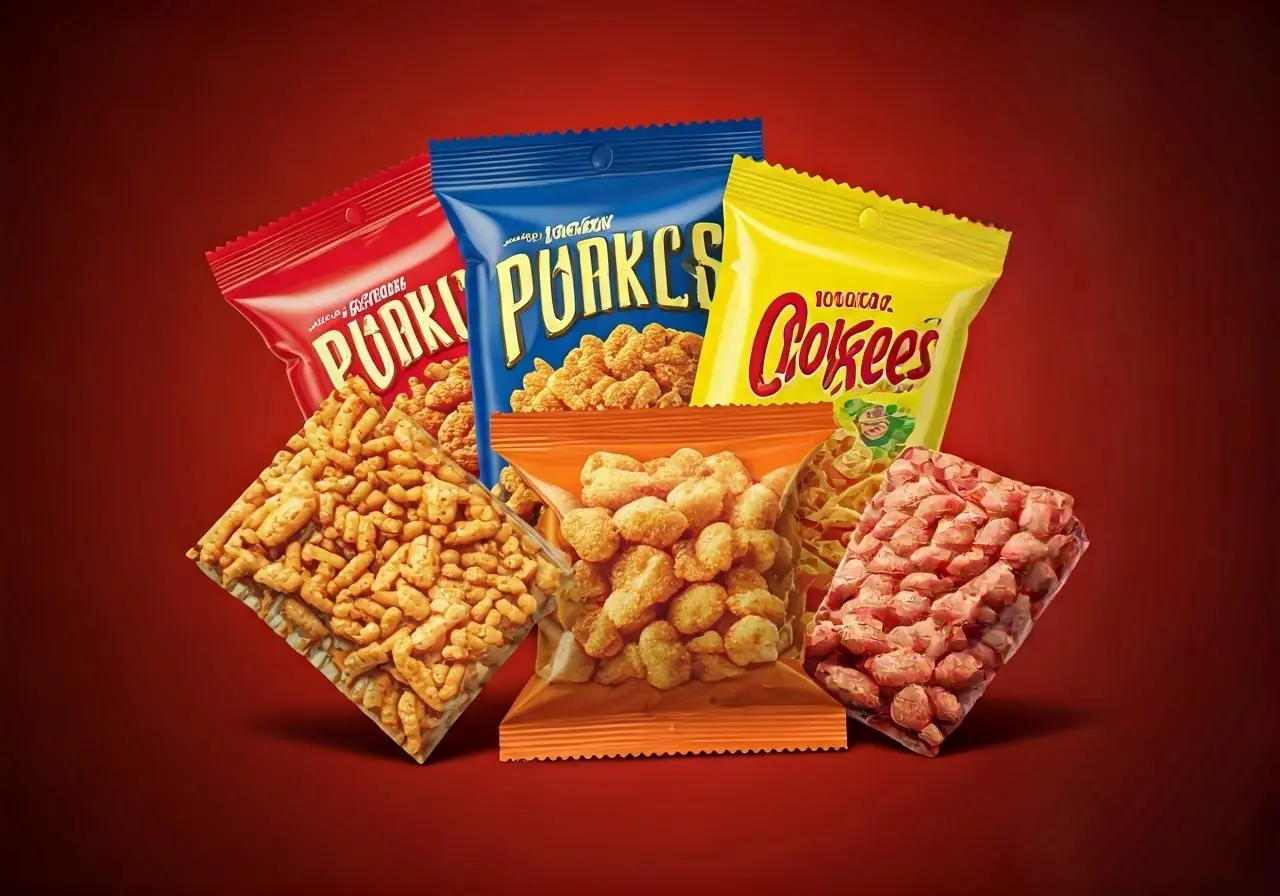
Understanding the Importance of Snack Packaging
Snack packaging is more than just a protective shell for the product. It serves as a marketing tool that communicates the brand’s message and values to consumers. A well-designed package can greatly influence purchasing decisions.
Imagine walking down the aisle of a store, and your eyes are immediately drawn to a package that stands out with vibrant colors and engaging graphics. This is the power of effective packaging. It’s not just about catching the consumer’s eye; it’s about connecting with them on a deeper level. When consumers feel a connection, they are more likely to choose that product over countless others. Packaging that tells a story can deepen this connection, making it memorable.
Key Elements for Eye-Catching Packaging
To create packaging that stands out, it’s essential to consider elements such as color, typography, imagery, and overall layout. Each of these can capture attention and convey the right message to potential buyers.
Choosing the right color palette can significantly affect a product’s first impression. Bright colors might exude energy and fun, while muted tones can suggest sophistication or health-focused benefits. Typography complements this, setting the tone for the consumer. Bold fonts might convey excitement or urgency, whereas softer scripts can evoke a sense of luxury or comfort. Imagery ties in the narrative—whether it’s appetizing photos of the snack or creative illustrations—making the product more relatable and desirable.
Another integral element is ensuring the layout is not cluttered but rather clean and well-organized. A clear hierarchy in the design helps emphasize crucial information, such as nutritional facts or unique selling points. Remember, less can often be more when it comes to effective packaging.
Aligning Packaging Design with Brand Identity
It is vital for the packaging to be consistent with the brand’s identity. This includes using colors, fonts, and design elements that align with the brand’s overall aesthetic and values.
When a consumer recognizes a brand instantly through its packaging, it reinforces trust and loyalty—key aspects for any brand aiming to establish itself firmly in the marketplace. Consistency helps in creating a visual language that lets customers identify what’s at the heart of the brand. Moreover, when the design is mirrored across various product lines, it reinforces the brand’s presence and builds a cohesive brand image.
Incorporating Sustainable Packaging Solutions
With increasing environmental awareness, using sustainable materials in packaging is not only a responsible choice but also a compelling selling point for brands. Consumers are increasingly seeking products with eco-friendly packaging.
Using materials that are biodegradable, recyclable, or made from renewable resources can significantly reduce the environmental impact. It’s an opportunity for brands to take a stance on environmental issues, which resonates with the modern consumer who is more aware and conscientious. By promoting sustainability, brands can appeal to eco-conscious individuals, thus setting themselves apart from competitors who have yet to adopt such measures.
As sustainability continues to shape consumer behavior, innovative packaging solutions like compostable pouches or reusable containers are gaining traction. These solutions not only demonstrate a commitment to sustainability but can also enhance the consumer’s experience, adding an extra layer of value to the product.
Staying Current with Snack Packaging Trends
Keeping up-to-date with the latest trends in snack packaging, like minimalism or bold graphics, can provide inspiration and keep the brand relevant in a competitive market.
Trends in packaging design often reflect broader cultural and societal changes. For example, minimalist designs have surged in popularity as consumers seek simplicity and clarity amidst a busy, often cluttered world. On the other hand, bold, eclectic designs are embraced for their expressive nature and ability to convey individuality in an ever-diversifying market. Staying attuned to these shifts can help brands make informed decisions, ensuring their products remain fresh and in step with consumer desires.
Crafting Memorable Snack Packaging Designs
Incorporating creative and strategic elements in snack packaging can significantly elevate a brand’s presence in the market. By focusing on unique designs, understanding branding, using sustainable materials, and staying ahead with trends, snack brands can not only attract but also retain their customers. Remember, packaging is not just about protecting the product; it’s about creating a memorable experience.


