

Blog

12 Design Tips for Eye-Catching Metallic Labels
Designing metallic labels can be a striking way to make a product stand out, adding a touch of sophistication and elegance. In this guide, we’ll explore creative tips to ensure your metallic labels not only captivate attention but also communicate your brand effectively.

1. Choosing the Right Metallic Finish
The first step in designing a metallic label is selecting the type of metallic finish that suits your brand. Options like foils, metallic inks, and films offer different aesthetics and can significantly affect the final look of your label. Selecting the right finish not only improves visual appeal but also ensures it harmonizes with your product’s overall design. For example, metallic foils can add a luxurious touch, ideal for high-end products, while metallic inks can be used to create subtle sheen on labels, suitable for a minimalist approach.
Consider how the finish will interact with other elements in your label. A glossy metallic surface can catch light beautifully, while a matte metallic finish might offer a more subdued, yet sophisticated look. Additionally, think about the conditions your labels will face in the real world. A durable metallic film might be perfect for products that need to withstand moisture or frequent handling.
2. Leveraging Color Contrast
When working with metallic elements, color contrast is crucial. Using complementary colors can make the metallic accents pop, drawing attention to important information and design elements. The interplay between bright metallic hues and darker backgrounds can deliver an eye-catching effect, compelling customers to notice your product on a crowded shelf.
It’s important to keep in mind that some colors can overpower metallic tones if not carefully chosen. Experiment with various combinations until you find a palette that enhances the metallic features without overshadowing them. Consider using a color wheel to select contrasting colors that naturally enhance metallics.
3. Incorporating Textures for Depth
Integrating textures into your metallic label design can add depth and interest. Consider using embossing or debossing techniques to create tactile experiences that enhance your overall design. This not only provides an extra layer of engagement for the consumer but also elevates the perceived quality of the product.
Another approach is to incorporate patterns that play with light and shadow on the metallic surface. Subtle textures like linen or waves can catch the light in different ways, making your label visually dynamic and constantly intriguing from various angles.
4. Balancing Simplicity and Detail
Striking a balance between simplicity and intricate detail is key. Simple designs with thoughtfully placed metallic elements can create an elegant and modern look without overwhelming the viewer. A minimalist layout with a focal metallic element can emphasize key brand messages and logos effectively, making sure your design communicates its intent clearly.
However, it’s essential to ensure that your simple design does not look unfinished. Use fine details sparingly to accentuate the metallic features, creating a seamless blend of simple yet sophisticated. This will help maintain the design’s focus while adding an element of intrigue to attract consumer curiosity.
5. Ensuring Readability
High readability is essential for effective communication. Choose fonts and sizes that ensure the text is legible against the metallic background, and consider how lighting might affect readability at different angles. Matte finishes can enhance text readability in bright lighting, whereas gloss might look more appealing in controlled environments.
Try to avoid overly intricate fonts that can be difficult to read on reflective surfaces. Additionally, testing under various lighting conditions can prevent unexpected surprises, making certain your message remains clear and compelling, no matter where your product is displayed.
6. Experimenting with Shapes
Metallic labels don’t have to be confined to traditional shapes. Explore different die-cut shapes to add a unique flair that stands out on shelves and conveys the creativity of your brand. Die-cuts can help your product communicate fun, elegance, or innovation, depending on the shapes chosen.
Choose shapes that enhance your product’s use or theme. A beverage label, for example, could use a shape that mimics a drop of liquid, while a container for a luxury item might benefit from an elegant, elongated form that exudes sophistication and style.
7. Using Negative Space Wisely
Negative space can be a powerful tool in design. In metallic labels, it helps create a clean, striking appearance by allowing the metallic elements to shine without clutter. This design principle can also subtly guide the viewer’s eye to important details on the label, such as brand names or key information.
When using negative space, ensure that it’s not perceived as empty or unfinished. The key is to find a harmonious balance where the empty areas complement the metallic features, adding contrast and clarity to your overall label presentation.
8. Adapting to Brand Identity
Your metallic labels should always reflect your brand’s identity. Ensure all design elements align with your brand’s color scheme, style, and overall message for consistency across marketing channels. A strong visual identity helps consumers immediately recognize your products, reinforcing brand loyalty.
Consider integrating iconic brand elements such as logos or slogans into your design in creative ways, where metallic accents can highlight these features, adding prestige or highlight to your brand’s story.
9. Exploring Different Printing Techniques
Different printing techniques can yield diverse results. Digital and offset printing each have unique advantages, so experiment to see which best achieves the desired effect for your metallic labels. Digital printing is perfect for smaller batches and allows for easy adjustments, whereas offset printing offers precision and economies of scale for larger runs.
Also, take into account how different techniques interact with metallic finishes. Some might enhance the finish’s shimmer, while others work better for intricate designs. Testing various methods ensures you choose the right one for producing high-quality results tailored to your needs.
10. Protective Coatings for Longevity
Consider applying protective coatings to your labels to enhance durability. Coatings can help safeguard against scratches and fading, ensuring your labels maintain their allure over time. Such coatings can be glossy for extra shine or matte if you prefer a non-reflective look.
Depending on where and how your products will be stored or displayed, selecting the right coating can protect your labels from UV rays, smudging, and moisture, extending the life and attractiveness of your products.
11. Sustainability in Metallic Label Design
Incorporating sustainable materials and methods in your metallic label design can reduce environmental impact while appealing to eco-conscious consumers. Look for recyclable materials and eco-friendly printing options. Sustainability can be a strong selling point, reflecting a brand’s commitment to environmental responsibility.
Research shows that consumers increasingly prefer brands with sustainable practices. By using eco-friendly materials and techniques, not only do you protect the environment, but you also align your brand with the growing demand for green products.
12. Testing Before Large Scale Production
Finally, always test your design on a small scale before committing to large production runs. This helps identify potential issues and allows for adjustments, ensuring the final product meets your expectations perfectly. Testing is an invaluable step to avoid costly mistakes and guarantees that every detail has been fine-tuned for production.
Consider seeking feedback from focus groups or select customers. Consumer insight at this stage could reveal perspectives or concerns you hadn’t considered, providing an opportunity for revision that could boost your label’s market performance.

Why Quality Counts When Choosing A Flexible Packaging Company
Quality is a word often thrown around, but it takes on a special importance when it comes to selecting a flexible packaging company. With packaging being a consumer’s first point of contact, its quality speaks volumes about what’s inside. More than just a protective shell, it’s a visual ambassador for a product, setting expectations before the contents are even revealed. The difference between average and exceptional packaging can influence buying decisions, affect customer satisfaction, and ultimately reflect on the brand itself.
Choosing a packaging partner is more than just a business transaction—it’s a strategic decision that impacts your product’s success. Good packaging not only preserves freshness and ensures safety but also plays a vital role in presenting the product attractively and functionally. Your chosen company needs to offer the right mix of material quality, technological capability, and design flexibility to meet those needs effectively.
Importance of Material Quality
When it comes to packaging, the materials used are the bedrock of quality. High-grade materials make the difference between a sturdy protective barrier and a flimsy outer shell that fails to do its job. It’s critical that packaging withstands the rigours of transport, storage, and handling without compromise, ensuring that what lies inside remains safe and fresh.
Consider how material choices affect packaging:
– Durability: High-quality materials provide strength and resilience, protecting contents from physical damage.
– Barrier Properties: Superior materials offer excellent barriers against light, oxygen, and moisture, which can extend the shelf life of products.
– Sustainability: With growing environmental awareness, materials that offer recyclability or biodegradability are now a priority for many brands.
Material quality doesn’t just protect; it communicates value, reliability, and care to the consumer. A package that tears easily or allows external elements to spoil the product can lead to disappointment and negative perceptions. Instead, robust and secure packaging builds trust and adds perceived value to the product. When selecting a flexible packaging company, ensure they prioritize using top-quality materials to meet various product needs efficiently.
Role of Advanced Technology
In the packaging industry, technology isn’t just a nice-to-have; it’s a game-changer. Modern technology transforms how packaging is designed, produced, and delivered, enhancing consistency and precision at every step. Packaging companies that invest in advanced tech tools can offer solutions that meet high standards, from automated machinery delivering precise cuts to digital printing ensuring vibrant, accurate colors.
The benefits of using cutting-edge technology in packaging include:
– Precision: Advanced machines provide consistent and exact cuts, reducing waste and ensuring uniformity.
– Speed: Automated systems improve production speed, which helps meet tight deadlines without losing quality.
– Innovation: Technology enables innovative designs that can set products apart on store shelves.
For example, smart sensors in packaging lines can detect and reject defective items instantly, maintaining quality control. This technology-driven approach ensures that what’s promised in the design phase carries all the way through to production.
Customization and Design Capabilities
No two brands are alike, and their packaging shouldn’t be either. Customizable packaging solutions allow businesses to express their brand identity clearly and creatively. By combining unique materials, shapes, and graphics, brands can create packaging that captures consumer attention and tells a story.
Consider the thrive of tea brands using specially cut boxes with windows to showcase the vibrant hues of their tea blends. This not only draws in curious shoppers but also highlights the product in a visually appealing way. Packaging that offers flexibility in design lets brands experiment with what’s visually appealing while ensuring functionality, making their products memorable.
Certification and Compliance
Navigating the world of standards and regulations in packaging can be overwhelming, yet it’s a vital part of producing safe and reliable products. Certifications and compliance with industry standards provide reassurance that the packaging operation meets essential quality and safety metrics.
Here’s why these certifications and sticking to compliance rules matter:
– Consistency: Certifications ensure packaging processes are standardized, leading to consistent quality.
– Safety: Compliance guarantees that packaging materials are safe for specific products, especially in food and health-related industries.
– Trust: Products that meet recognized standards build consumer trust, as they adhere to established quality checkpoints.
In the longer run, maintaining certifications and compliance helps avoid costly mistakes that can affect product quality and consumer health. It’s an assurance to customers that they’re making a safe choice.
Ensuring Top-Notch Packaging for Your Brand
In the end, selecting a flexible packaging company isn’t just about who offers the lowest cost or the shiniest design. It’s about finding a partner that understands the complexities of packaging, one that can help elevate a brand’s presence and secure its place in the market. By considering factors such as material quality, technology, customization potential, and compliance, brands can find a packaging solution that not only meets their needs but also enhances consumer experience.
Take time to verify and match these qualities to your brand’s needs. In doing so, you ensure your product isn’t just another face on the shelf—it’s the one that customers will remember and trust. Making the right choice today can lead to successful partnerships and stronger brand loyalty tomorrow.
Choosing the right packaging partner can be a turning point for your brand. Trusting your needs with a credible and skilled flexible packaging company can secure your product’s appeal and longevity. At Fortis Solutions Group, we are committed to providing top-tier packaging solutions that align perfectly with your brand’s unique style and requirements. Elevate your packaging today with our expert guidance and innovative solutions.

7 Reasons Why Stick Packs Are Redefining Packaging Solutions
In the world of packaging, change is constant. As consumers seek convenience and brands aim for efficiency, stick packs have emerged as a revolutionary solution. In this blog post, we’ll explore why these sleek and simple packs are taking the packaging industry by storm.

1. Maximizing Convenience for Consumers
Stick packs offer unparalleled convenience. Their compact design means they fit easily into bags and pockets, allowing consumers to enjoy their products on the go without any hassle. This advantage not only enhances the experience for busy individuals but also caters to the modern lifestyle that demands efficiency and flexibility. The ease of opening and using stick packs further emphasizes their consumer-friendly nature. Imagine being on a hiking trip or in a bustling cityscape; accessing your favorite products with a simple tear is a breeze.
2. Enhancing Product Versatility
From coffee and sugar to vitamins and supplements, stick packs can accommodate a wide variety of products. Their versatility in application is a game-changer for brands looking to diversify their offerings. Whether it’s dry powders, liquid supplements, or even skincare products, the adaptability of stick packs is unmatched. This flexibility enables manufacturers to cater to different market segments without having to overhaul their packaging infrastructure continuously. By incorporating stick packs, companies can seamlessly expand their product lines while maintaining high standards of quality and customer satisfaction.
Moreover, the versatility of stick packs extends beyond the types of products they contain. These packs can also be easily customized in terms of size and appearance, appealing to brands aiming to capture the essence of their identity. Such customization options facilitate tailored marketing strategies that resonate well with specific target audiences. As a result, brands can establish a personalized connection with their customers, making each product feel unique and desirable.
3. Reducing Packaging Waste
In an era where sustainability is key, stick packs shine by using minimal materials. This reduction in packaging not only cuts down waste but also aligns with eco-friendly practices that consumers increasingly value. As society becomes more conscious of environmental impacts, consumers are demanding products that adhere to sustainable standards. Stick packs allow companies to meet these expectations while simultaneously reducing their carbon footprint.
By minimizing material usage, stick packs also address the growing concern over landfill waste. The implementation of biodegradable materials and recyclable options further supports the cause, demonstrating a commitment to the environment. Companies adopting these eco-conscious packaging solutions can enhance their brand reputation and appeal to environmentally-savvy customers who prefer sustainable choices. Through improved designs and material selection, stick packs illustrate a practical approach to sustainability that resonates with modern consumers.
4. Improving Cost Efficiency
For companies, stick packs offer a cost-effective solution. The reduced material usage and efficient production processes translate into savings that can be passed on to consumers or reinvested into the business. Manufacturers can streamline their operations by employing automated packaging lines that optimize production speed and efficiency.
5. Enhancing Product Freshness
Stick packs are designed to preserve the freshness of the product within. Their airtight seal ensures prolonged shelf life, delivering quality that consumers can rely on. This feature is particularly essential for products such as food and pharmaceuticals that require consistent quality assurance. By maintaining the integrity of the content, stick packs prevent exposure to moisture, air, and contaminants, safeguarding the product’s efficacy and flavor.
Moreover, the enhanced product freshness offered by stick packs aligns with consumer demands for high-quality products. Shoppers prioritize packaging that retains product quality over extended periods, driving up demand for reliable and innovative solutions like stick packs. In doing so, brands can build trust and loyalty among their clientele, fostering long-term relationships that contribute to sustained business growth.
6. Creating Eye-Catching Designs
With their sleek and customizable surface, stick packs offer brands the opportunity to create attractive and unique designs. This ensures that products stand out in the competitive retail space. Vivid colors, eye-catching graphics, and distinct brand elements can be easily printed on stick packs, capturing consumer attention and conveying brand messages effectively. This ability to make a memorable impression sets products apart amidst a sea of competitors, driving consumer curiosity and engagement.
7. An Innovative Approach to Branding
Stick packs provide a modern canvas for branding. With innovative design opportunities, brands can convey their identity and values clearly, making a strong impression on consumers. This modernizes how brands communicate with their audience, offering a fresh take on traditional packaging methods. By investing in creative solutions, companies can showcase brand elements like logos, taglines, and color schemes, ensuring they remain relevant in a dynamic market.

How To Overcome Challenges In Folding Carton And Packaging
Folding carton and packaging are fundamental to many industries, playing a crucial role in protecting products and presenting them attractively. However, the road to creating effective packaging isn’t always smooth. Challenges such as structural weaknesses, poor material choices, and complex design requirements can emerge at different stages of the packaging process. Addressing these challenges is key to ensuring that products not only look appealing but also reach consumers in perfect condition.
While it might seem like just folding up some cardboard, folding cartons require precision and careful planning to meet the demands of various sectors. Poorly designed cartons can lead to damaged goods, unhappy customers, and unnecessary costs. Therefore, it’s important to tackle these issues head-on, exploring innovative solutions that offer reliability and flexibility. This article will explore common challenges in folding carton and packaging and suggest practical ways to overcome them.
Identifying Common Challenges
When it comes to folding carton and packaging, several common issues can arise. Recognizing these challenges is the first step in finding solutions:
– Structural Integrity: Weak or poorly designed cartons can collapse, compromising the product inside. Ensuring sturdy construction is vital for maintaining product safety during handling and shipping.
– Material Selection: Choosing the wrong material can lead to a host of issues, such as inadequate protection from moisture or crushing. The material should match the specific needs of what’s inside, considering both durability and environmental impact.
– Design Complexities: Sometimes, the simplest-looking designs can pose the most complexity. Design needs to balance aesthetics with functionality to attract customers while ensuring products are securely packaged.
Each of these challenges can impact product protection and customer satisfaction. If a product arrives damaged or fails to impress due to poor packaging, it can significantly affect a brand’s reputation. Taking a proactive approach to understanding and addressing these challenges can lead to more efficient, effective packaging solutions.
Innovative Solutions to Overcome Challenges
Finding effective solutions in folding carton and packaging requires embracing new materials and processes. One key approach is using advanced and eco-friendly substances that provide both strength and sustainability. These materials not only help meet environmental standards but also enhance the durability of the packaging, offering better protection to the goods inside.
Design flexibility and customization play an important role in addressing specific needs. By tweaking the design to suit different products and industries, businesses can ensure that each package is tailored for both appeal and function. It’s like having a custom-made suit; when the design fits perfectly, it enhances the overall presentation and product safety.
Precision in manufacturing is another corner piece of the puzzle. Ensuring that every fold, cut, and seal is done accurately can dramatically improve the quality and consistency of the packaging. This not only reduces the risk of product damage during transportation but also boosts customer confidence in the brand.
The Role of Technology in Enhancing Packaging Solutions
Technology continues to revolutionize many industries, and packaging is no exception. Digital tools and software can significantly streamline the packaging process, offering improved accuracy and efficiency. From design software that allows for instant adjustments to automated machinery that ensures precise cuts and placements, technology brings numerous benefits to the table.
– Digital Design Tools: Quickly adjust and perfect packaging designs to match specific product needs.
– Automation: Implement machines that cut, fold, and seal packages with impeccable precision, minimizing human error.
– Quality Monitoring Software: Use tech to keep a constant check on the quality, catching issues early before they become costly problems.
Automation doesn’t just reduce errors; it also speeds up production, allowing businesses to meet tight deadlines without compromising on quality. This efficiency is priceless, especially when dealing with large volumes of packaging.
Partnering with a Reliable Packaging Provider
Collaborating with an experienced packaging provider can significantly ease the burden of overcoming packaging challenges. These specialists bring expertise and insights that can help tailor solutions to fit any unique packaging problem. By leaning on their knowledge, businesses can simplify the packaging process and focus on their core objectives.
Experienced providers have access to the latest materials, technology, and techniques, ensuring that their clients receive high-quality, innovative packaging solutions. Working with such partners ensures that businesses benefit from the latest advancements and enjoy a seamless, efficient packaging operation.
Transform Challenges into Opportunities
Addressing the challenges in folding carton and packaging isn’t just about solving problems. It’s about seizing the opportunity to enhance product presentation and integrity. By adopting innovative solutions, leveraging technology, and choosing the right partners, businesses can create packaging that’s not just functional but also leaves a lasting impression on consumers.
Being proactive and strategic in handling these challenges can transform the entire packaging process into a streamlined, effective operation. This approach not only improves customer satisfaction but also sets a strong foundation for future growth and innovation in product packaging.
Overcoming obstacles in folding carton and packaging can be straightforward with the right support. Discover how you can elevate your packaging strategy by exploring our tailored solutions at Fortis Solutions Group. For more insights, learn about our specialized folding carton and packaging services designed to protect and showcase your products effectively.

15 Benefits of Using High-Quality Industrial Labels in Manufacturing
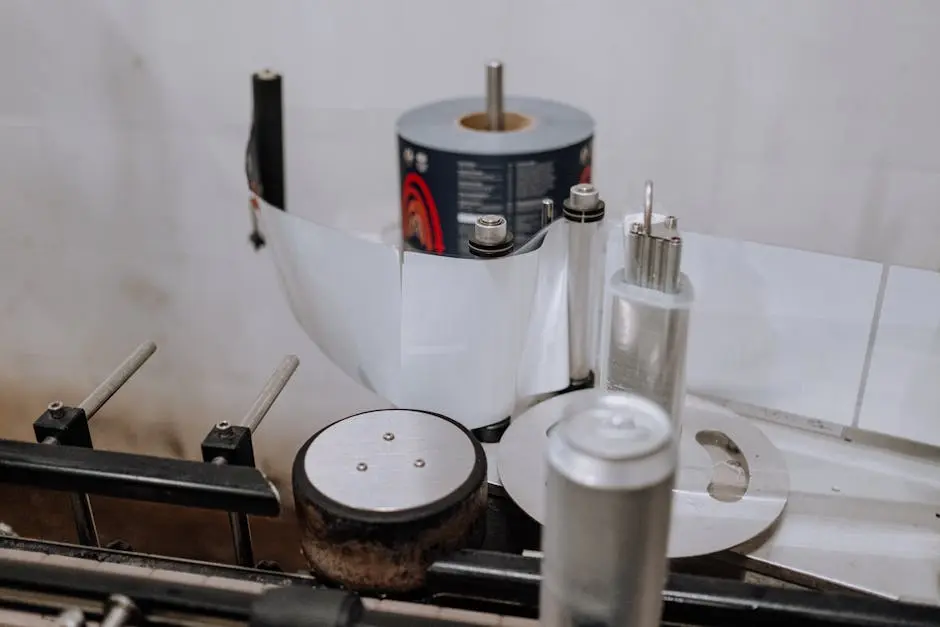
In the bustling world of manufacturing, every detail counts. From ensuring safety to optimizing production, industrial labels play a pivotal role. High-quality labels aren’t just a luxury; they’re a necessity that can streamline operations and enhance efficiency. In this blog, we will explore how these small yet mighty components can make a big difference in manufacturing.
1. Enhancing Safety Protocols
Safety is paramount in manufacturing, and quality labels provide clear instructions and warnings that help prevent accidents. By ensuring that machinery and hazardous areas are correctly labeled, risks are minimized, safeguarding both workers and equipment. Overall, labels act as a silent yet vigilant guardian, diligently reminding us of the invisible perils that lurk in the industrial landscape.
2. Streamlining Inventory Management
Industrial labels help keep track of inventory levels and organization. With accurate labeling, product identification becomes straightforward, reducing time spent on manual inventory management and ensuring more efficient stock control. Imagine effortlessly finding the right components, thanks to well-organized shelving facilitated by efficient labeling systems that ensure everything from raw materials to finished goods is in its rightful place.
3. Boosting Operational Efficiency
Efficient labeling systems speed up the manufacturing process by providing necessary information at a glance. This reduces downtime and helps maintain consistent production flows, which is vital for meeting deadlines and fulfilling orders. Consider high-quality labels as an integral part of lean manufacturing—helping identify, organize, and timely deliver parts where they are needed, thus bolstering operational effectiveness and productivity.
4. Enhancing Product Tracking and Traceability
In today’s interconnected world, being able to trace products throughout their lifecycle is crucial. High-quality labels provide essential data for tracking product history, improving quality control, and facilitating recalls if necessary. Utilizing reliable labeling technologies not only ensures regulatory compliance but also boosts consumer trust, knowing that each product’s journey from factory to shelf is meticulously recorded and verifiable.
5. Reducing Errors and Misinformation
Clear and accurate labels minimize the likelihood of errors in production lines, which can lead to defects and customer dissatisfaction. Reliable labels ensure that all personnel are on the same page, reducing misinformation and misunderstanding. When labels effectively communicate critical information, such as operating procedures and safety instructions, they function as a linchpin for manufacturing success, eliminating guesswork and protecting product integrity.
6. Facilitating Compliance with Regulations
Regulatory bodies require specific labeling standards to be met. High-quality industrial labels help businesses comply with these regulations, avoiding costly fines and potential shutdowns. Whether it’s about hazard communication, consumer information, or formal declarations, adhering to rules is simplified and assured through precise and enduring label design.
7. Improving Brand Image and Customer Satisfaction
Quality labels not only serve functional purposes but can also enhance the aesthetic appeal of products. This boosts brand image and satisfies customers, who appreciate well-presented products with detailed information. Visual presentation and readability of labels play a crucial role in customer perception, turning a mere label into a brand ambassador that assures quality and invites engagement.

10 Ways Luxury Packaging Transforms Your Brand Experience
In the competitive world of branding, every detail counts, and packaging is no exception. Luxury packaging does more than just make your product look good; it elevates the entire brand experience. Let’s explore how attention to packaging can significantly transform how customers perceive your brand.

1. Creating an Unforgettable First Impression
The first encounter with your packaging sets the tone for the entire brand experience. Luxury packaging captivates customers and creates a memorable first impression that can lead to lasting brand loyalty. Imagine unwrapping a beautifully crafted box; the tactile pleasure, the anticipation, and the sheer delight set your product apart from the rest. This moment is pivotal as it not only provides a sensory journey but also makes a statement about your brand’s commitment to quality and elegance. Ensuring that this crucial first interaction exudes luxury can alter the entire perception of your product and brand.
Consider the psychology behind packaging: richly textured materials, intricate designs, and vibrant colors that resonate with your brand’s identity. These elements work together to create a captivating narrative right at the point of sale. An intriguing study sheds light on the role packaging plays in consumer choice, often determining whether a product ends up in a cart. Therefore, investing in luxury packaging isn’t just about aesthetics; it’s about creating a compelling experience that draws customers in and leaves a lasting impression.
2. Enhancing Perceived Value
When customers see high-quality packaging, they often associate it with high-quality products. Luxury packaging can enhance the perceived value of your brand, making customers more likely to invest in it. This is not merely about using expensive materials but about creating a perception of exclusivity. The allure of luxury packaging lies in its ability to communicate a sense of worth that transcends price tags and influences purchase decisions.
The integration of sophisticated design elements and premium materials can transform ordinary products into extraordinary experiences. A report on consumer behavior suggests that consumers are willing to pay more for products presented in aesthetically pleasing packaging. This reinforces the idea that the perception of value is heavily influenced by visual and tactile stimuli, playing a crucial role in how your brand is perceived in the marketplace.
3. Increasing Brand Recognition
Consistent and well-designed luxury packaging helps increase brand recognition. It ensures that your brand stands out on the shelves, and it makes your products easily identifiable to your customers. By maintaining a coherent design language across all products, you create a visual signature that customers can easily associate with your brand. This consistency is key in building a strong, recognizable brand presence.
Think about iconic brands that have mastered the art of luxury packaging, creating distinctive looks that are instantly identifiable. By carefully curating elements such as unique color schemes, logo placement, and the overall aesthetic of your packaging, you build a solid foundation for brand recognition. Studies show that consumers are more likely to remember and seek out brands that offer visually captivating packaging, thereby nurturing loyalty and prompting repeat purchases.
4. Communicating Brand Story and Values
Luxury packaging offers a unique platform to communicate your brand’s story and values. Through design and materials, you can share the ethos and lifestyle associated with your brand. Every detail, from the typography to the choice of colors, can offer a narrative thread that links back to your brand’s history and values.
Incorporating your brand’s message seamlessly into packaging not only enhances storytelling but also solidifies customer relationships. For example, if sustainability is a core value, elements like biodegradable packaging or water-based inks can communicate this message powerfully. As detailed in recent packaging trends, aligning packaging design with brand values not only aids in storytelling but also reinforces customer trust and loyalty.
5. Engaging Customer Emotions
Luxury packaging engages customer emotions, forming an emotional connection with your brand. This connection can lead to increased customer loyalty and repeat purchases. When customers feel a personal attachment to a brand, fostered through exquisite packaging, they are more likely to make repeat purchases and even become brand advocates. The emotional allure of carefully curated packaging elements can awaken fond memories or aspirations, ultimately enriching the overall brand experience.
Emotional engagement through luxury packaging is an art form in itself. Research highlights the importance of tapping into core emotional drivers which enhance the consumer-brand relationship. By incorporating elements that evoke these emotions, such as sophisticated imagery or comforting textures, brands can create a deep-seated bond, turning casual buyers into loyal enthusiasts.
6. Promoting Sustainability
Incorporating eco-friendly materials into luxury packaging not only appeals to environmentally conscious consumers but also strengthens your brand’s ethical stance. Today’s consumers are increasingly prioritizing brands that are committed to sustainability, and luxury packaging provides an excellent opportunity to demonstrate this commitment.
The use of sustainable materials improves brand image, aligning your products with the values of a growing number of eco-conscious consumers. By integrating green practices into packaging, such as using recycled materials or reducing waste, brands can enhance their credibility and appeal. Data from sustainable packaging reports indicates a marked consumer preference for brands that prioritize eco-friendly practices. This not only adds to the luxury perception but also ensures that your brand contributes positively to environmental wellbeing.
7. Synchronizing with Modern Trends
Luxury packaging allows brands to stay current with modern design trends, ensuring your brand remains relevant and appealing to today’s consumers. It’s an opportunity to infuse cutting-edge design elements into your packaging strategy, keeping your brand’s aesthetic fresh and innovative. Whether it’s through the use of the latest color palettes, minimalistic designs, or technology integration, aligning your packaging with the latest trends can make all the difference in attracting modern consumers.
The dynamism of design trends offers a wealth of creative potential for luxury packaging. As highlighted in trend insights, embracing contemporary aesthetics in packaging helps a brand maintain its competitive edge. By merging timeless luxury with modern trends, brands can continue to captivate consumers who are always on the lookout for what’s new and exciting.
8. Adding Functional Benefits
Beyond aesthetics, luxury packaging can also offer functional benefits such as reusable boxes or smart packaging features, adding convenience and value for customers. In a world where functionality is as sought-after as beauty, integrating practical features into luxury packaging is key. By doing so, brands not only enhance the user experience but also promote long-term usage of their packaging solutions.
Incorporating elements like magnetic closures or sectioned inserts for organized storage can transform packaging from a mere container to a valued part of the product experience. Moreover, the adoption of smart packaging technology can significantly elevate customer interactions. The blend of aesthetic luxury with functional innovation can greatly enhance the overall perceived value, making it a pivotal aspect of thoughtful packaging solutions.
9. Fostering Social Media Sharing
Beautifully designed luxury packaging often encourages customers to share their unboxing experiences on social media, providing organic marketing for your brand. In today’s digital landscape, social media acts as a powerful amplifier for brand visibility. Customers are more inclined to share products that provide a visually appealing and exciting unboxing experience, thus creating a win-win situation for both customers and brands.
Integrating features such as interactive or eye-catching elements can help capture the audience’s attention online. The viral nature of social media allows unboxing videos and images to reach a broad audience, turning customers into brand advocates. As covered in a social media influence study, luxury packaging plays a crucial role in this digital marketing phenomenon, further emphasizing its power in the modern marketing mix.
10. Differentiating from Competitors
In a crowded marketplace, luxury packaging helps your brand stand out, creating a distinct identity that distinguishes you from competitors. When products seem similar at first glance, the packaging can be the defining factor that sways a customer’s decision. Luxury packaging acts as a visual and tactile differentiator that not only captures attention but also communicates brand uniqueness.
Creating packaging that reflects the essence of your brand ensures you leave a mark in the consumer’s mind long after they’ve made a purchase. The unique elements of luxury packaging, whether through intricate design, high-end materials, or innovative features, play a critical role in establishing a memorable brand identity. Insights from a competitive market analysis show how a meticulously crafted brand presence starts with packaging that is designed to convey exclusivity and prestige, allowing brands to rise above their competitors.