

Barrier films play a pivotal role in a wide range of industries, providing protection and extending the lifespan of the products they wrap. But what exactly are these films, and why has their importance skyrocketed in recent years? Dive into the world of barrier films with us to uncover their significance and applications across various sectors.
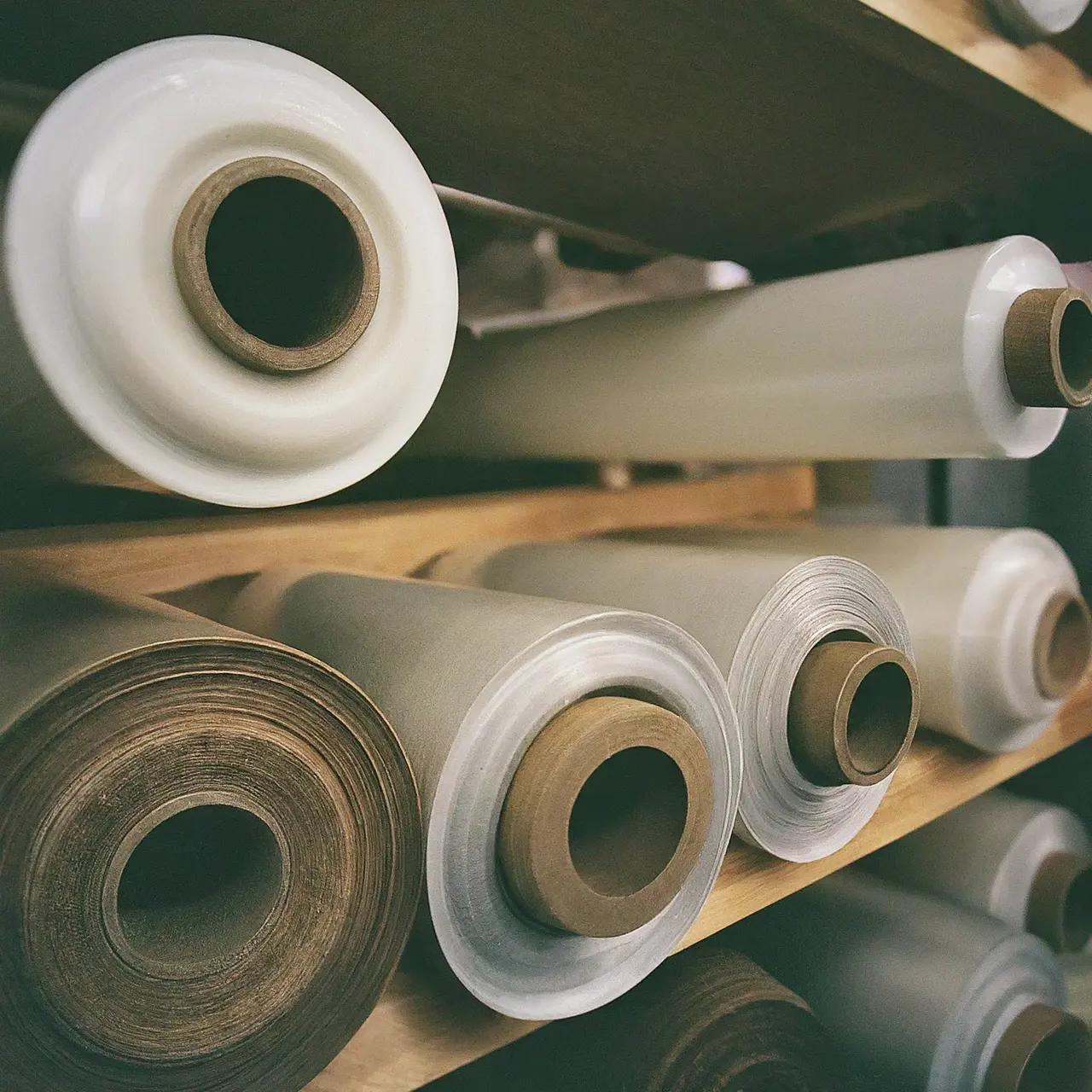
Understanding Barrier Films
At its core, a barrier film is a type of material specifically designed to prevent the permeation of gases, vapors, or liquids. By acting as a protective shield, barrier films play an essential role in maintaining the quality and shelf life of a wide variety of products.
This protective feature is what stands barrier films apart from ordinary packaging materials. They are engineered with precision to target specific environmental factors, such as moisture and oxygen, which can significantly impact the stability and usability of a product.
The composition of barrier films can vary greatly depending on their intended use. Materials range from metals like aluminum to various types of plastics and polymers, each offering different levels of protection and flexibility.
Different Types of Barrier Films
Barrier films come in several types, each tailored for specific applications. For example, metallized films are brilliant for snack packaging due to their reflective properties and robust barrier against light and gases.
On the other hand, ethylene-vinyl alcohol (EVOH) films are admired for their exceptional barrier qualities against gases, making them ideal for food packaging where freshness is paramount.
Transparent barrier films, such as those made from polyvinylidene chloride (PVDC), are sought after in the market for their superior moisture resistance while still allowing the product to be visible.
Why Barrier Films Are Important
The significance of barrier films cannot be overstated. They ensure that food remains fresh, electronics stay dry, pharmaceuticals retain their efficacy, and cosmetic products maintain their quality over time.
Without the protective properties of barrier films, many products would have a significantly shorter shelf life, leading to more waste and higher costs for consumers and businesses alike.
Moreover, these films support global trade by allowing for the safe transport of perishable goods over long distances, making international cuisines and exotic products more accessible to consumers worldwide.
Applications of Barrier Films
From industrial goods to household items, the applications of barrier films are vast and varied. Notably, the food industry relies heavily on these films for packaging everything from meat and cheese to snacks and ready meals.
In the medical field, barrier films are used to seal and protect medical devices and pharmaceuticals, ensuring sterility and preventing contamination.
Beyond these, barrier films are also present in the electronics industry, where they safeguard components from moisture and environmental damage, and in the beauty sector, keeping cosmetics and skincare products stable and hygienic.
Innovations in Barrier Film Technology
The landscape of barrier film technology is rapidly evolving, with an emphasis on improving performance and environmental sustainability. Innovations include the development of biodegradable barrier films that break down naturally without harming the environment.
Another cutting-edge advancement is the creation of thinner, more effective films that require less material without compromising barrier integrity, thus reducing waste and cost.
Researchers are also exploring new materials and coatings that enhance the barrier properties of films, such as nanotechnology-based solutions, to protect sensitive products more effectively.
Choosing the Right Barrier Film for Your Needs
Selecting the appropriate barrier film is crucial for ensuring product safety and longevity. The key is to understand the specific barrier needs of your product, whether it’s protection from moisture, gases, UV light, or a combination of factors.
Consultation with manufacturers can provide insights into the latest technologies and materials suited for your application, helping you make an informed decision that aligns with your product requirements and sustainability goals.
Additionally, considering factors such as the recyclability and biodegradability of the film material can contribute to a more sustainable product lifecycle.
Sustainability and Future Trends in Barrier Films
The drive towards sustainability is shaping the future of barrier films, with a growing demand for eco-friendly alternatives that do not compromise on performance.
Biopolymers and other renewable materials are gaining traction as sustainable options for barrier films. These materials not only reduce the dependence on fossil fuels but also offer the potential for composting and recycling, aligning with circular economy principles.
As technology advances, we can anticipate breakthroughs that will further enhance the sustainability, efficiency, and effectiveness of barrier films, making them even more indispensable in our daily lives and industries.
Wrapping Up on Barrier Films
Barrier films have transformed product packaging and preservation, offering solutions that significantly extend shelf life, maintain product integrity, and enhance consumer satisfaction. As we continue to push the boundaries of material science, the future of barrier films looks promising, with sustainability and innovation at its core. Undoubtedly, the importance and reliance on these protective films will only increase, making their understanding and application critical for businesses aiming for success and responsibility in their industries.


