

Cosmetic packaging has always had to protect the product inside. What has changed is everything else brands now expect packaging to do.
Today, packaging is part of the product experience. It helps communicate brand identity, support usability, provide information, stand out on the shelf, and increasingly meet sustainability and regulatory goals. For beauty and personal-care brands, that means packaging decisions now involve much more than choosing a container that looks good.
The evolution of cosmetic packaging is moving toward a more connected approach, where aesthetics, performance, materials, refillability, recyclability, production requirements, and Extended Producer Responsibility, or EPR, all influence the final design.
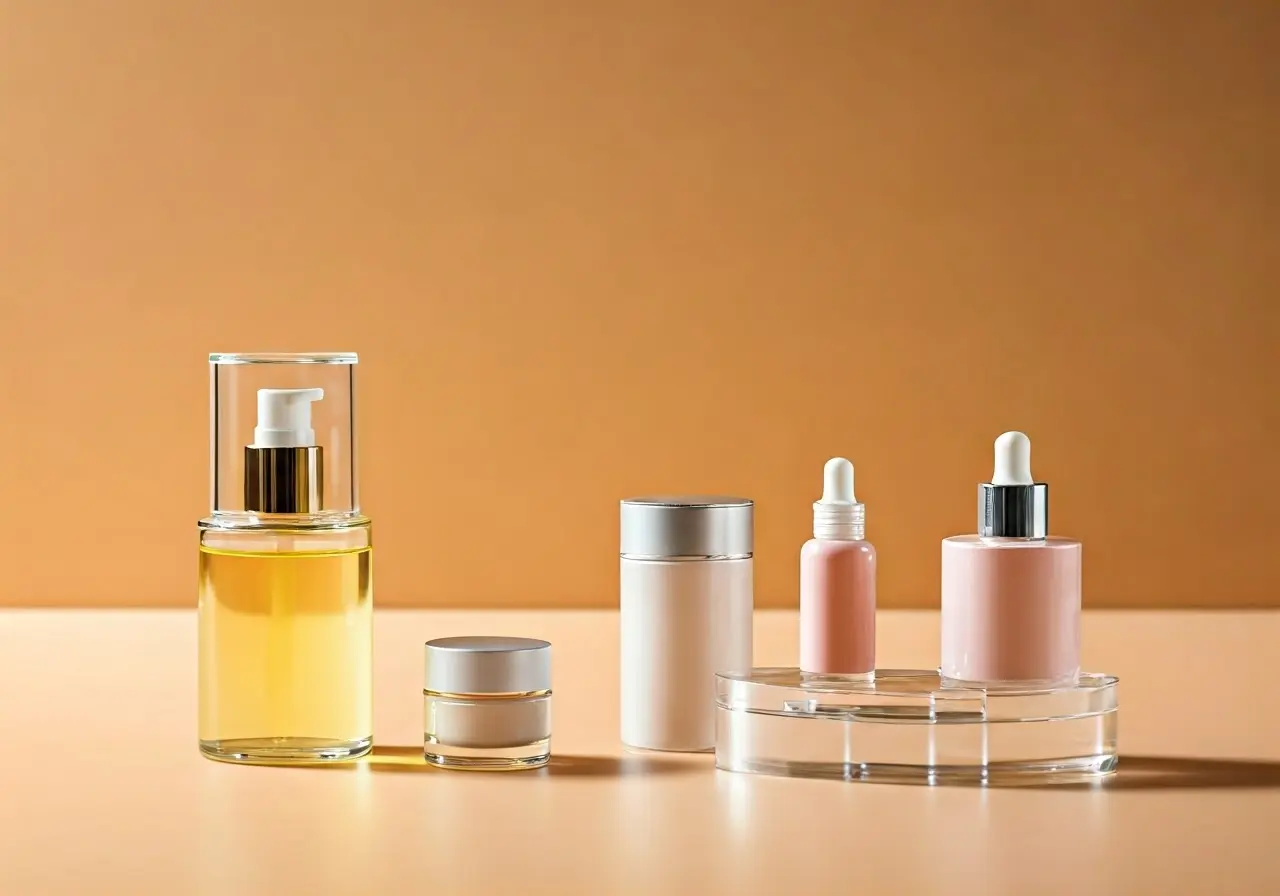
Cosmetic Packaging Started With One Job: Protect the Product
Early cosmetic packaging was primarily functional. Glass jars, tins, bottles, and other simple containers were selected to protect formulas, reduce contamination, and make products easier to store and use.
As the beauty industry expanded, packaging began taking on a second role. It became part of how a product communicated value. Containers, labels, color, typography, and decoration helped brands distinguish one moisturizer, fragrance, serum, or personal-care product from another.
That shift laid the foundation for modern cosmetic packaging, where function and brand experience are expected to work together.
Packaging Became Part of the Brand Experience
In a crowded beauty category, consumers often encounter the package before they know much about the formula inside. The shape of the container, the label material, the finish, the color palette, and even the way the package feels in the hand can influence how the product is perceived.
Modern printing and decorating technologies give brands far more options than basic ink on paper. Metallic finishes, tactile effects, embossing, specialty coatings, clear films, and other decorative techniques can help communicate everything from clinical precision to luxury or natural positioning.
At the same time, customization has become easier to support. Brands may need different artwork across product lines, seasonal versions, limited editions, or multiple SKUs without losing a consistent visual identity.
Technology Expanded What Cosmetic Packaging Could Do
Packaging is no longer limited to protecting a product and displaying a logo. It can also carry more information, connect a physical product to digital content, and support tracking or operational requirements.
QR codes and 2D barcodes can connect consumers to instructions, ingredient details, authenticity information, promotions, or brand experiences. Extended-content labels can provide additional room when required information exceeds the available package space. Digital printing can make shorter runs, versioning, and customization more practical for applicable projects.
These capabilities have changed the role of the package from a static container into an increasingly functional part of the product and brand experience.
Sustainability Changed the Packaging Conversation
For years, cosmetic packaging sustainability was often discussed in simple terms: use less plastic, switch to a material that appears more environmentally friendly, or add recycled content where possible.
Today, the conversation is more complicated and more useful.
A package should be evaluated as a complete system. The container, label, sleeve, closure, secondary packaging, refill format, and other components can all affect material use and end-of-life outcomes. A lightweight package may reduce material use, but it still needs to protect the formula. A recyclable container may lose some of that advantage if other components interfere with the recycling stream. A refill format may reduce repeated use of a primary package, but only if the full system performs as intended.
That is why sustainable cosmetic packaging increasingly requires a balance of product protection, material efficiency, recyclability, refillability, consumer use, production compatibility, and available recovery infrastructure.
View our Sustainability | Renew™ Sustainable Packaging page for more information.
Recyclable and Refillable Formats Are Reshaping Cosmetic Packaging
One of the clearest changes in beauty packaging is the growing interest in systems designed to reduce the amount of primary packaging a consumer replaces each time they purchase a product.
Refillable packaging can take several forms. A durable primary container may be designed for repeat use while the replacement product is supplied in a lighter refill format. Some brands are also evaluating flexible refill pouches with fitments or other multi-use formats where the product and filling requirements make them appropriate.
Recyclable packaging is also becoming a more important design consideration. But recyclability should not be treated as a single material claim. The complete construction, including labels, adhesives, sleeves, closures, and other components, can influence whether the finished package works well within a recycling stream.
For brands exploring refillable or recyclable formats, the best solution depends on the product, package performance, available materials, consumer use, and production requirements.
Fortis can support relevant printed packaging components and work with customers as they evaluate broader packaging systems. Some components, such as certain containers or fitments, may be supplied through partner relationships rather than produced directly by Fortis.
EPR Is Becoming Part of Cosmetic Packaging Design
Extended Producer Responsibility is adding another layer to packaging decisions.
EPR programs are designed to shift more responsibility for packaging waste to the companies that place packaging into the market. The exact requirements vary by jurisdiction, but they can influence how brands think about packaging weight, material type, recyclability, reporting, and fees.
That means EPR is becoming something packaging teams may need to consider earlier in the design process.
A package that performs beautifully on the shelf may still create challenges if its material choices increase complexity at end of life. Likewise, a redesign intended to improve recyclability or reduce packaging weight still needs to protect the product, run efficiently through production, and deliver the right consumer experience.
For cosmetic brands, EPR adds another reason to evaluate the full packaging system instead of choosing individual components in isolation.
Flexible Packaging Is Expanding the Beauty Packaging Toolkit
Beauty and personal-care packaging is also moving beyond traditional jars, bottles, tubes, and cartons.
Depending on the product, flexible packaging formats can support samples, travel sizes, refills, concentrated products, or single-use applications. Pouches may provide a refill or multi-use format. Sachets can support samples or trial sizes. Stickpacks can be appropriate for certain powders, gels, liquids, or other single-serving products.
Flexible packaging is not the right answer for every cosmetic product. Compatibility with the formula, barrier requirements, filling method, seal performance, shelf life, and consumer use all need to be evaluated before selecting the format.
Shrink Sleeves and Labels Continue to Evolve Too
The evolution of cosmetic packaging is not limited to the container.
Labels and shrink sleeves can play an important role in branding, product information, functionality, and sustainability goals. A pressure-sensitive label can use different materials, finishes, and functional features to support both shelf appeal and package performance. Shrink sleeves can provide broad graphic coverage while also becoming part of broader conversations around container design and recyclability.
The most effective approach is to evaluate the container and decoration together. Material compatibility, adhesives, inks, sleeve films, coverage, and end-of-life goals may all affect the final packaging strategy.
The Future of Cosmetic Packaging Is About the Whole System
The next stage of cosmetic packaging is not simply about making packages more attractive or replacing one material with another.
Brands are increasingly balancing several priorities at the same time:
- Product protection and shelf life
- Shelf appeal and brand consistency
- Consumer convenience
- Recyclability and refillability
- Material reduction
- EPR requirements
- Production-line compatibility
- Cost and supply-chain realities
- Digital and smart-packaging functionality
Those priorities can sometimes compete with one another. The lightest material may not provide the right barrier. A beautiful finish may need to be reconsidered if it affects recyclability. A refill concept may require new filling equipment or partner capabilities.
That makes packaging development more collaborative than ever. Rather than treating the label, flexible package, sleeve, carton, or container as separate decisions, brands can benefit from evaluating how all of the components work together.
Questions Brands Should Ask When Updating Cosmetic Packaging
When evaluating a new cosmetic package or refreshing an existing one, it helps to start with the complete product and packaging system.
Consider questions such as:
- Does the package protect the formula throughout its intended shelf life?
- Can materials or components be reduced without compromising performance?
- Is the package recyclable in the markets where it will be sold?
- Could a refill system reduce repeated use of primary packaging?
- How could EPR requirements affect the selected materials or format?
- Do the label, sleeve, adhesive, and decoration support the package’s end-of-life goals?
- Will the packaging run efficiently on the intended production equipment?
- Does the package give the brand enough flexibility for future SKUs, sizes, or product extensions?
The answers will differ from product to product. That is why cosmetic packaging innovation increasingly starts with the application, not with a single material or format.
Cosmetic Packaging FAQs
What are the biggest trends in cosmetic packaging today?
Some of the most important cosmetic packaging trends include recyclable and refillable systems, reduced material use, smart packaging, personalization, flexible formats, improved consumer usability, and greater attention to EPR requirements. The best approach depends on the product, market, and packaging system.
What is sustainable cosmetic packaging?
Sustainable cosmetic packaging considers the full package rather than one material in isolation. Important factors can include material use, product protection, recyclability, refillability, package weight, production efficiency, and available end-of-life infrastructure.
Is refillable cosmetic packaging more sustainable?
Refill systems can reduce repeated use of some primary-packaging components, but the overall benefit depends on the complete system. The materials used in the refill, how often the primary package is reused, shipping, product protection, and consumer behavior all matter.
How does EPR affect cosmetic packaging?
EPR programs can make producers financially responsible for packaging placed into the market. Depending on the jurisdiction, packaging weight, material type, recyclability, and other factors may influence reporting requirements or fees. Brands should evaluate current requirements in the markets where products are sold.
Can cosmetic products use flexible packaging?
Yes, some cosmetic and personal-care products can use flexible packaging such as pouches, sachets, or stickpacks. Suitability depends on the formula, barrier requirements, filling process, seal performance, shelf life, and intended consumer use.
How can brands modernize cosmetic packaging without losing shelf appeal?
Brands do not have to choose between performance and appearance. Printing, labels, sleeves, tactile finishes, color, structure, and material selection can all be evaluated together so the package supports brand positioning while meeting functional and sustainability requirements.
Building the Next Generation of Cosmetic Packaging
Cosmetic packaging has evolved far beyond basic containment. Today, successful packaging needs to protect the formula, support the brand, work for the consumer, perform in production, and increasingly account for recyclability, refillability, and EPR.
Fortis Solutions Group works with brands across labels, flexible packaging, shrink sleeves, sustainable packaging, and other printed packaging formats to help evaluate solutions around product and production needs.
Contact Fortis About Your Cosmetic Packaging


