

Packaging serves as the first impression for your product, and adhesive labels play a significant role in shaping that impression. Getting creative with your label design not only attracts customers but also enhances brand recognition. Here are some innovative tips to make the most of adhesive labels in packaging.
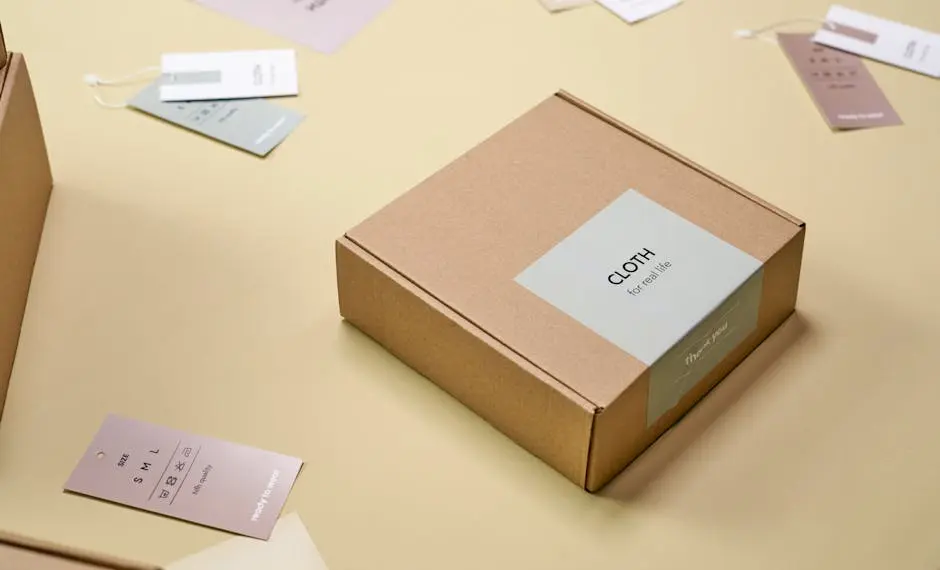
1. Embrace Eco-Friendly Materials
Using eco-friendly materials for your adhesive labels not only supports sustainability but also appeals to environmentally conscious consumers. Consider labels made from recycled paper or biodegradable materials. These choices not only contribute to reducing waste but also send a clear message about your brand’s commitment to the environment. Eco-conscious customers are increasingly looking for brands that align with their values, making the use of sustainable materials an essential competitive advantage in the market.
Moreover, opt for adhesives that are water-based or made from natural substances. These options are less harmful to the environment and ensure that your labels break down more easily without leaving a toxic residue. The move towards green practices, such as using sustainable adhesives, can certainly enhance your brand’s reputation, giving you a unique selling point that could be the deciding factor for many buyers.
2. Leverage Unique Shapes and Sizes
Break the mold of traditional label shapes by experimenting with unique designs. Irregular shapes or custom sizes can catch the eye and create a memorable brand experience. Instead of sticking to conventional rectangles or squares, you could explore die-cut labels that mimic your product’s shape or a thematic design that tells your brand story. Such creativity will draw attention and potentially increase your product’s shelf appeal significantly.
When customers see something unusual, it piques their curiosity, prompting them to learn more about what’s inside. This is a fantastic opportunity to intrigue potential buyers and make a lasting impression. For products with limited space, consider a wrap-around label that maximizes information while maintaining an aesthetically pleasing look. Incorporating dynamic shapes doesn’t just make your packaging stand out; it plays a crucial role in reinforcing brand identity.
3. Opt for Minimalistic Designs
A minimalistic approach can speak volumes. Simple yet elegant designs can communicate sophistication and clarity, ensuring that your message is conveyed efficiently. The idea is to focus on the essentials. By removing unnecessary elements, you allow critical information to stand out more prominently. This approach not only aligns with modern design trends but also aligns perfectly with the idea of decluttering to enhance visual appeal.
As consumers increasingly appreciate simplicity, cleaner designs communicate a sense of authenticity and transparency, values that resonate well with today’s audiences. Minimalistic labels are particularly effective in markets like fashion and tech, where understatement implies quality. They can evoke a sense of calm and invite consumers to appreciate what’s truly important about your product without distraction.
4. Incorporate QR Codes for Added Value
Enhance customer interaction by integrating QR codes into your labels. This allows consumers to access additional product information or promotional content with a simple scan. QR codes are a powerful tool to engage tech-savvy consumers, providing them direct access to a wealth of resources, from instructional videos to detailed ingredient lists. This can be particularly valuable in industries such as food and beverage, where transparency about product contents is essential to some consumers.
Imagine a customer picking up a product and with a quick scan, being able to read customer testimonials, view the product in action, or even receive a special discount on their next purchase. QR codes bridge the gap between the physical and digital, offering a versatile platform for brands to deliver interactive content. They’re not just about transmitting data; they’re about creating experiences and building deeper connections with your audience.
5. Use Color to Evoke Emotion
The right color scheme can evoke specific emotions and align with your brand’s identity. Choose colors that resonate with your product’s intent and target audience. Understanding color psychology is crucial; for instance, blue is often associated with trust and reliability, which can be beneficial for brands looking to build consumer trust. Meanwhile, red can evoke a sense of urgency or excitement, perfect for limited-time offers or bold product launches.
Colors can also denote flavors, scents, or experiences, playing a vital role in setting expectations before a product is even used. A harmonious color palette not only attracts attention to your product but reinforces brand recognition, essential in crowded markets. Think of how colorful packaging can instantly signal a fun, youthful vibe, while more subdued tones might suggest elegance and sophistication.
6. Experiment with Textures
Unique textures can make a huge difference in how labels are perceived. Consider using textured finishes like linen or matte to add a tactile dimension to your packaging. Engaging not only the eyes but also the sense of touch can create a more immersive and memorable product experience. Textured labels hint at quality and thoughtfulness, suggesting that your brand pays attention to detail and values high-quality production.
Textured labels encourage consumers to reach out, touch, and feel, which can result in a deeper connection to the product. The interplay of light on various surfaces can add depth, making your product stand out even before the package is opened. Utilizing texture creatively can enhance the perceived quality of your goods, turning a casual glance into a lingering interest.
7. Focus on Typography
Typography plays a crucial role in label design. Choose fonts that reflect your brand’s personality and ensure they are legible, both up close and from a distance. Typography isn’t just about choosing a font; it’s about communication. The style of the letters can convey a variety of emotions and connect with distinct consumer segments. Whether you’re going for elegance with a serif font or modernity with sans-serif, make sure it aligns with your brand ethos.
A well-thought-out typographic hierarchy can guide the consumer’s eye through the label, emphasizing what you want them to remember most. Pay attention to spacing, alignment, and size to ensure information is easy to digest. Great typography doesn’t just look good—it plays a strategic role in product appeal by guiding potential buyers through your product’s key characteristics and benefits succinctly.
8. Utilize Clear Labels for a Modern Look
Clear labels provide a modern and sleek look, allowing the product itself to be the star. This style works well for transparent or glass packaging. Using clear labels helps create a sophisticated and unassuming style that can draw attention to the product’s quality and contents, enhancing authenticity. Products like beverages, cosmetics, or artisanal goods benefit significantly from this approach as it keeps the overall aesthetic clean and chic while still delivering brand messaging.
9. Enhance with Foil Stamping
Foil stamping adds a touch of luxury and can make labels stand out. This technique is perfect for conveying premium quality and elegance. Whether you opt for gold, silver, or even holographic foil, this technique captures light beautifully and can underscore a sense of exclusivity. It’s excellent for high-end goods such as perfumes, wines, or gift packaging, where first impressions are everything.
Beyond aesthetics, foil stamping suggests durability and care. It’s a tactile and visual enhancement that demands attention. By elevating your packaging in this way, you align your brand with values of quality and attention to detail. Using foil stamping strategically can underscore key elements on your label, guiding the consumer’s focus to what’s most important.
10. Incorporate Interactive Elements
Engage your audience by including interactive elements like peel-off sections or scratch-and-sniff areas. These can create a unique and fun customer experience. Interactive elements invite consumers to actively participate in their engagement with the product, fostering a sense of discovery and joy. This can be especially impactful in industries geared towards children or novelty items, where surprise and enjoyment play a big role in purchasing decisions.
Such elements transform a simple transaction into an experiential journey. For example, scratch-and-sniff labels on gourmet food products can evoke the aroma of culinary delights, whetting the customer’s appetite even in the aisle. Peel-off sections can deliver additional content, such as fun facts, recipes, or promotional messages. Incorporating playfulness into your packaging can turn buyers into brand advocates, delightfully surprised by your thoughtful approach.


